Uncategorized

Uncategorized

How Summers Accelerate Roof Wear and What To Do About It

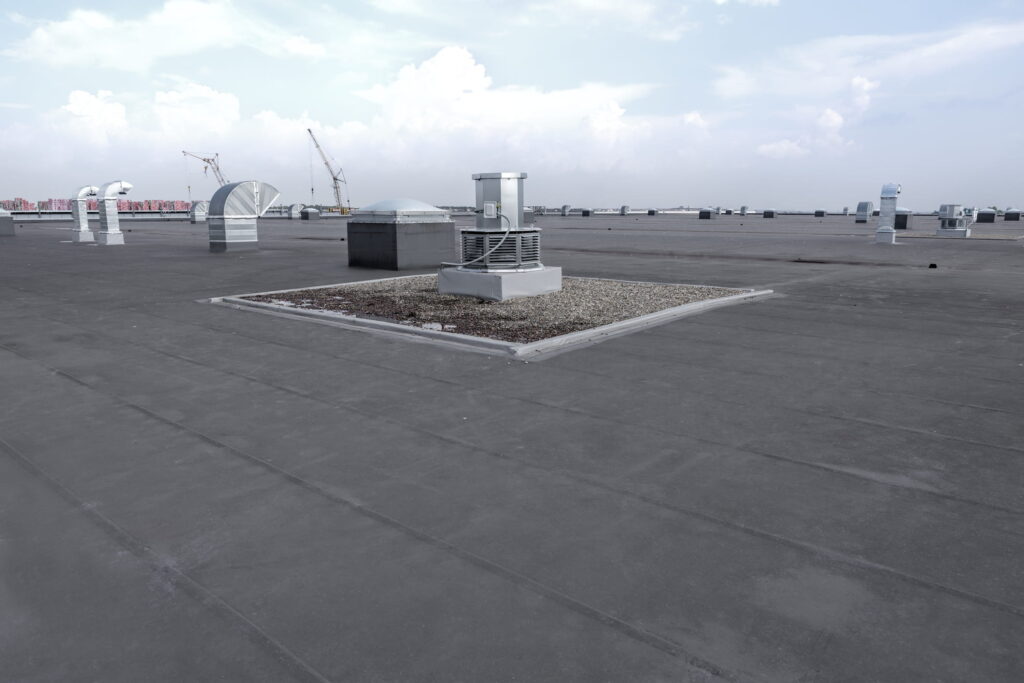
Summer isn’t just uncomfortable for you – it’s rough on your roof, too. Anyone managing properties with commercial roofing in Atlanta knows how summers accelerate roof wear. Long days of direct sun slowly break down materials that took years to install correctly. The good news is that understanding why this happens makes it a lot easier to prevent. Let’s get into what’s really going on up there. Heat Breaks Down Roofing Materials Faster Than You Think Every roofing material has a breaking point, and constant summer heat pushes it there faster than most people expect. UV rays cause roofing membranes to dry out and become brittle over time, kind of like how rubber bands get stiff and crack after sitting in the sun. That brittleness makes materials far more prone to cracking, splitting, or tearing, especially around seams and edges. Even the toughest systems, like metal roofing or TPO membranes, aren’t fully immune to this slow degradation process. It’s a gradual thing, which is exactly why it sneaks up on so many property owners. Asphalt-based systems, like built-up roofing, deal with an added issue during extreme heat. The asphalt layers can actually soften slightly on the hottest days, becoming more vulnerable to foot traffic damage or shifting. Once the sun goes down and temperatures drop, that same material hardens again, creating repeated stress cycles day after day. Over a full summer, those cycles add up to real wear that shortens the roof’s overall lifespan. Thermal Expansion Puts Stress on Seams and Flashing Roofs get hot, they expand, and contract as temperatures shift throughout the day. That constant movement puts pressure on seams, flashing, and any area where two roofing materials meet. Over time, this expansion and contraction can loosen fasteners or create small gaps where water eventually finds its way in. It’s a slow process, but it’s one of the most common reasons roofs develop leaks that seem to come out of nowhere. Seams that were perfectly sealed during installation can weaken years later simply from repeated thermal stress. Flashing around vents, HVAC units, and roof edges is especially vulnerable to this kind of movement. These are the spots where materials transition, and transitions are always the weakest points on any roof. A poorly sealed flashing joint might hold up fine through spring, then start failing once summer heat really sets in. Regular roof repairs that address these small movements early can prevent much bigger leaks down the road. Reflective Materials Fight Back Against Summer Heat Not every roof suffers equally in the summer, and material choice makes a huge difference. Reflective roofing systems, like TPO or roofs finished with roof coatings, bounce sunlight away instead of soaking it in. That reflectivity keeps surface temperatures noticeably lower, which slows down the material breakdown we talked about earlier. A silicone roof coating, in particular, adds a protective, reflective layer over aging roofs. Lower roof temperatures protect the roofing material and help the whole building. Cooler roofs mean less heat transferring into the building below, which takes pressure off air conditioning systems working overtime. That translates into real energy savings during the months when cooling costs are already at their highest. A qualified TPO installer or roofing contractor can help determine whether reflective materials or a coating upgrade make sense for your specific roof. A Few Warning Signs Show Up Most During Summer Certain roofing problems tend to reveal themselves specifically during the hottest stretches of the year. Knowing what to watch for helps property owners catch issues before they turn into emergencies. Here are some of the most common summer warning signs worth keeping an eye on: Spotting any of these early is usually the difference between a quick repair and a much bigger project. Regular Maintenance Keeps Summer Damage From Piling Up The best defense against summer roof wear comes down to consistent maintenance. A roof that gets inspected regularly rarely lets small issues turn into major failures. Catching a cracked seam or a soft spot early means a quick fix instead of an emergency call during the next big storm. This is especially true for buildings that have been coated or patched multiple times over the years already. Working with an experienced commercial roofer makes this process a lot easier to stay on top of. They know exactly what summer stress looks like and where to check first on different roofing systems. Scheduling an inspection before peak summer heat hits gives time to address minor issues before they get worse. Commercial Roofing in Atlanta Needs Extra Summer Attention Atlanta summers bring a specific combination of intense heat, high humidity, and sudden storms that make roof stress worse than in milder climates. That humidity adds another layer of concern, since trapped moisture combined with heat creates ideal conditions for mold and material breakdown. Buildings in this region genuinely need more frequent summer check-ins than roofs in cooler parts of the country. Local weather patterns mean problems can develop faster here than property owners might expect. Storm season overlapping with peak heat only adds to the challenge. A roof already stressed from thermal expansion is more vulnerable when a sudden summer storm rolls through with wind and heavy rain. That’s why many local property owners schedule inspections both before and after major summer storms. It’s a simple habit that catches problems from two different angles throughout the season. Ready to Protect Your Roof Before Summer Takes Its Toll Summer heat is relentless, but roof damage from it doesn’t have to be inevitable. Advanced Roofing & Paving offers inspections, roof coatings, roof repairs, and full commercial roofing services across Atlanta to help your roof handle whatever the season throws at it. We also provide asphalt paving, asphalt sealcoating, asphalt repairs, parking lot repairs, and parking lot sealcoating, keeping your entire property protected from the ground up. Reach out today to schedule a summer roof check and stay ahead of the heat.
Uncategorized

Is Built-up Roofing (BUR) Still a Good Choice for 2026?

Some things stick around because they simply work. Built-up roofing (BUR) has been protecting flat commercial buildings for over a century, and it’s still a go-to choice today. If you’ve ever heard someone mention “tar and gravel roofs,” they were probably talking about this exact system. It’s not flashy, but it’s tough, proven, and still worth understanding. Let’s dig into what makes it tick. What Built-up Roofing Actually Means Built-up roofing, often just called BUR, is made by layering multiple sheets of roofing felt or fabric with hot asphalt in between each one. Think of it like a stack of pancakes, except each layer is bonded together with waterproof asphalt instead of syrup. Most systems use anywhere from two to four layers, depending on the building’s needs and budget. The top is usually finished with a layer of gravel or a reflective coating for added protection. That layered structure is exactly where the name “built-up” comes from. This isn’t some new experimental system either. BUR has been around since the 1800s, which means it’s had plenty of time to get refined and proven in the field. Its long track record is part of why so many property owners still trust it today. Unlike newer single-ply membranes, BUR relies on redundancy, meaning if one layer gets compromised, several others are still standing guard. Layers of Protection Add Serious Durability The multi-layer design is a genuine performance advantage. Each layer of felt and asphalt adds another barrier against water, wind, and general wear. If a small puncture happens on the surface, it doesn’t automatically mean a leak, since the layers underneath are still doing their job. This redundancy makes BUR one of the more forgiving roofing systems when it comes to minor surface damage. For buildings with heavy foot traffic or rooftop equipment, that extra toughness really pays off. The gravel or coating on top adds even more benefits beyond just looks. It shields the asphalt layers from direct UV exposure, which slows down deterioration significantly. It also adds fire resistance, which matters for certain commercial and industrial applications. Weight is one tradeoff worth mentioning, since BUR is heavier than membrane systems like TPO or EPDM. That means it’s important to confirm the building’s structure can support it before installation begins. Where Built-up Roofing Performs Best BUR shines brightest on flat or low-slope commercial roofs, which is exactly where most warehouses, retail centers, and industrial buildings need coverage. Its flat compatibility makes it a natural fit for large, open roof spans that don’t have much pitch to work with. It also handles foot traffic well, which is a big deal for roofs that need regular equipment access or maintenance visits. Buildings with rooftop HVAC units or solar panels often benefit from BUR’s rugged surface. It’s built to take a beating and keep performing. Climate is another area where BUR holds its own. It handles temperature swings reasonably well, though extreme heat can soften the asphalt layers over time if the roof isn’t properly maintained. In a place like Atlanta, where summers get intense, that’s worth factoring into maintenance planning. Cold weather can make the surface more brittle, so regions with big seasonal swings should keep an eye on wear patterns. Maintenance Keeps This System Going Strong Like any roofing system, BUR isn’t a “set it and forget it” solution. Regular inspections help catch small issues, like cracked gravel spots or minor blistering, before they turn into real problems. Because the system relies on multiple layers, catching damage early is what keeps that redundancy working in your favor. A few maintenance habits go a long way toward extending a BUR roof’s lifespan: With consistent care, a well-installed BUR system can last 20 to 30 years, sometimes longer. How BUR Compares to Newer Roofing Options It’s fair to wonder how BUR stacks up against modern systems like TPO, EPDM, or metal roofing. TPO and EPDM are lighter, quicker to install, and often more affordable upfront. Metal roofing wins on sheer lifespan and low maintenance. But BUR still holds a strong place for buildings that value that redundant, multi-layer protection and proven long-term performance. It’s a bit like comparing a classic pickup truck to a newer model – both get the job done, just with different strengths. Cost is usually where the comparison gets interesting. BUR installation can be more labor-intensive than single-ply systems, which sometimes means a higher upfront price. However, its durability and puncture resistance can offset that cost over the roof’s lifetime through fewer emergency repairs. The right choice really depends on your building’s use, budget, and how long you plan to own the property. A knowledgeable roofing contractor can walk through these trade-offs based on your specific situation. Getting BUR Installed the Right Way Matters Most No roofing system performs well if it’s installed poorly, and BUR is no exception. The hot asphalt application process requires skill and experience to get those layers bonded correctly without weak spots. An inexperienced crew can leave gaps or uneven layers that undermine the whole point of the built-up design. That’s why choosing an experienced commercial roofer is essential for getting the full lifespan out of this system. Regular roof repairs from a trusted team also keep small issues from snowballing into major ones. Since BUR roofs are often found on older commercial buildings, working with a contractor who understands the system’s quirks makes a real difference. They’ll know what normal wear looks like versus what needs immediate attention. Ready to Explore Your Built-up Roofing Options Built-up roofing has stuck around for a reason, and it might be exactly what your building needs. Advanced Roofing & Paving installs and maintains BUR systems alongside TPO, EPDM, metal roofing, and roof coatings across Atlanta, so you get honest guidance on what actually fits your property. We also handle asphalt paving, asphalt sealcoating, asphalt repairs, parking lot repairs, and parking lot sealcoating, covering your property from top to bottom. Reach out today for a free inspection, and […]

Uncategorized

What FLIR Infrared Roof Inspections Find

Ever wonder what’s hiding under your roof’s surface? FLIR infrared roof inspections answer that question without a single hole being cut. But the question is what FLIR infrared roof inspections find, and whether it is worth it. This technology spots moisture and damage long before it becomes a visible leak. It sounds a little like sci-fi, but it’s actually one of the most practical tools in commercial roofing today. Here’s what it really finds, and why it matters. How FLIR Infrared Roof Inspections Actually Work FLIR stands for Forward Looking Infrared, and the tech behind it is simpler than it sounds. A specialized camera reads heat differences across your roof’s surface, capturing images that show hot and cool zones. Wet insulation holds heat longer than dry insulation, so trapped moisture shows up as a distinct pattern on the scan. Technicians usually run these scans in the evening, once the roof has absorbed a full day of sun and started to cool. The best part is that none of this requires tearing into the roof itself. It’s completely non-invasive, which means no cutting, no patching afterward, and no added risk of creating new leak points. A trained eye then reviews the thermal images and cross-references them with a physical walk of the roof. That combination of tech and hands-on inspection is what makes FLIR scanning so reliable. Trapped Moisture Is the Main Thing These Scans Reveal Moisture is the number one enemy of any commercial roof, and it’s sneaky about how it spreads. Water can enter through a tiny gap in flashing or a worn seam, then travel sideways under the membrane for several feet before ever showing up as a ceiling stain. By the time you notice a leak inside the building, the damage outside may already be widespread. FLIR scans catch that moisture early, while it’s still contained to a small area. Once moisture gets into the insulation layer, it doesn’t just sit there quietly either. Wet insulation loses its ability to keep your building efficient, which drives up heating and cooling costs. It also creates the perfect environment for mold growth and structural rot if left unaddressed. Roof repairs done early, right after a scan flags the issue, are almost always cheaper than repairs done after the damage spreads. Weak Spots in the Roofing System Show Up Clearly Beyond moisture, these scans also help pinpoint areas where the roofing system itself is starting to fail. Aging membranes, deteriorating seams, and compromised flashing all tend to show subtle heat pattern changes before they become visible cracks or gaps. A skilled commercial roofer can look at these patterns and predict where trouble is likely to start next. That kind of forward-looking insight is hard to get from a standard visual inspection alone. This is especially useful for buildings with older roofing systems that have been through multiple repairs already. Layers of past patches can hide new problems developing underneath them, invisible to the naked eye. Infrared scanning cuts through that confusion and shows exactly where attention is needed most. Regular Scans Help You Plan Smarter Roofing Budgets One of the most underrated benefits of FLIR scanning is what it does for long-term planning. Instead of being blindsided by a sudden major repair bill, property owners get a clear picture of their roof’s condition well ahead of time. That means budgets can be planned around real data instead of assumptions. A few key advantages come from building infrared scans into your regular maintenance routine: Most experts recommend scanning once a year, with additional checks after major storms. That rhythm keeps small issues from ever turning into costly surprises. Commercial Roofing in Atlanta Benefits Most From Early Detection Atlanta’s mix of intense summer heat and unpredictable storm seasons puts extra stress on commercial roofs. That stress speeds up wear in ways that aren’t always visible from the ground or even from a rooftop walk-through. Buildings in this region tend to benefit even more from infrared scanning, simply because conditions change so much throughout the year. A roof that looked fine in spring can develop hidden moisture pockets by late summer without anyone noticing. Storm damage is another area where FLIR scanning proves especially useful in this region. After heavy wind or hail, a scan can reveal moisture intrusion points that aren’t obvious from a standard visual check. That information helps prioritize which areas need roof repairs right away versus which can wait. It also gives property owners solid documentation if an insurance claim needs to be filed. Knowing What’s Happening Under the Surface Changes Everything At the end of the day, FLIR infrared roof inspections take the mystery out of roof maintenance. Instead of hoping your roof is fine, you actually know, with a clear thermal map to back it up. That knowledge leads to smarter repair decisions, better budgeting, and fewer unpleasant surprises down the road. Combined with a solid maintenance routine, it’s one of the easiest ways to extend the life of any commercial roofing system. Not bad for a scan that doesn’t even require touching the roof. Ready to See What Your Roof Has Been Hiding A FLIR infrared scan can uncover problems long before they show up as a leak in your ceiling. Advanced Roofing & Paving offers infrared inspections alongside full commercial roofing, roof repairs, and roof coating services across Atlanta, so nothing slips through the cracks. We also take care of asphalt paving, asphalt sealcoating, asphalt repairs, parking lot repairs, and parking lot sealcoating, protecting your property from the roof down to the pavement. Reach out today to schedule a scan and see exactly what’s going on beneath your roof’s surface.

Uncategorized

How to Choose Between Silicone Roof Coating vs. Full Replacement

Your roof is aging, but is it done for good? That’s the question every property owner faces eventually. And there’s the choice between silicone roof coating vs. full replacement.  A silicone roof coating can breathe new life into a tired roof without the mess of tearing it off. But sometimes, a full replacement really is the smarter move. Let’s walk through how to tell which path fits your building best. Silicone Roof Coating Basics Every Property Owner Should Know A silicone roof coating is exactly what it sounds like: a thick, protective layer applied directly over your existing roof. It seals seams, patches minor wear, and creates a waterproof barrier that shields the membrane underneath. Unlike a full tear-off, there’s no demolition involved, which means less mess and way less downtime for your business. Coatings also reflect sunlight, which helps lower cooling costs during Atlanta’s long, hot summers. For roofs that are structurally sound but starting to show their age, this option checks a lot of boxes. The application process itself is fairly quick compared to a full replacement. A trained crew cleans the roof, repairs any small trouble spots, and then rolls or sprays the coating across the entire surface. Once cured, it forms a seamless, flexible layer that moves with temperature changes instead of cracking. Most coatings can extend a roof’s life by ten years or more when applied correctly. That makes it one of the most cost-effective ways to protect your investment without a major renovation. Coatings Work Best on Roofs That Still Have Some Life Left Here’s the catch: coatings aren’t a fix-all. They work great on roofs that are still structurally solid, just worn down by sun, weather, and time. If the underlying membrane is intact and the deck below it is dry and stable, a coating can add years of protection at a fraction of the cost of replacement. But if your roof has widespread leaks, soft spots, or trapped moisture, a coating won’t solve the underlying problem. Sealing over damage just hides it, and that can lead to bigger issues down the road. This is why a proper inspection matters so much before committing to either option. A qualified commercial roofer can check the deck, insulation, and membrane condition to see if coating is realistic. Full Replacement Resets the Clock on Your Entire Roof Sometimes the smartest move is starting fresh. A full replacement tears off the old roofing system down to the deck and installs a brand-new one, whether that’s TPO, EPDM, metal, or another system entirely. This gives you a clean slate with zero hidden damage lurking underneath. It’s also your chance to upgrade to a more energy-efficient or durable material than what was there before. For roofs nearing the end of their lifespan, replacement is usually the more reliable long-term choice. Yes, it costs more upfront and takes longer than a coating job. But a new roof also comes with fresh warranties, updated materials, and peace of mind that you won’t be dealing with surprise leaks next year. It’s a bigger investment, but it’s one that resets your maintenance clock for decades.  Cost Comparison Tells a Big Part of the Story Money is usually the deciding factor, and it’s worth breaking down clearly. A silicone roof coating typically costs a fraction of what a full replacement runs, since there’s no tear-off, disposal, or new decking involved. That lower price tag makes coatings appealing for owners looking to stretch their roofing budget as far as possible. Replacement costs more because you’re paying for labor, materials, and often structural work too. Still, it’s important to weigh cost against how many more years each option realistically buys you. A few factors influence where your money goes further: Running these numbers with a roofing contractor helps put real figures behind the decision, instead of guessing. Commercial Roofing in Atlanta Deals With Tough Weather Swings Atlanta’s climate doesn’t make this decision easier. Hot, humid summers bake roofing materials, while spring storms bring wind and heavy rain that test every seam and flashing point. That combination speeds up wear on flat commercial roofs more than milder climates would. Local experience matters here, since a roofing contractor familiar with Atlanta weather knows exactly where roofs tend to fail first. Buildings that have already dealt with storm damage or hail often need a closer look before coating is even an option. Roof repairs may be necessary first to address any structural issues hiding beneath the surface. Once repairs are handled, a coating can then be applied to extend the roof’s life going forward. For newer roofs with only minor wear, this repair-then-coat approach is often the most budget-friendly route available. Signs your roof needs more than just a coating Some warning signs point pretty clearly toward replacement instead of coating. Persistent leaks that keep coming back, even after repairs, usually mean the problem is deeper than the surface. Soft or spongy spots on the roof deck are another red flag, since they suggest water has already reached the insulation or structure below. Multiple layers of old patches and previous coatings can also signal that a roof has reached its practical limit. On the flip side, a roof with minor surface wear, small ponding issues, or fading reflectivity is usually a great coating candidate. These are cosmetic and surface-level problems that a coating handles well. The key is getting an honest assessment rather than assuming the worst or the best. A quick inspection from an experienced roofing contractor usually makes the right path pretty obvious. Ready to make the right call for your roof Deciding between a silicone roof coating and a full replacement doesn’t have to be stressful. Advanced Roofing & Paving offers honest inspections, roof coatings, roof repairs, and full commercial roofing installations across Atlanta, so you get a recommendation that actually fits your building and budget. We also handle asphalt paving, asphalt sealcoating, asphalt repairs, parking lot repairs, and parking lot sealcoating, keeping every part […]

Uncategorized

TPO vs. EPDM vs. Metal Roofing – Which One Is Right for a Commercial Building?

Picking the right roof shouldn’t feel like guesswork. If you’re searching for a commercial roofing contractor in Atlanta, you’ve probably run into three names again and again. It’s regularly TPO vs. EPDM vs. metal roofing. Each one protects your building differently, and each comes with its own price tag and lifespan. Let’s break it down. TPO Roofing Keeps Things Cool and Budget-Friendly TPO is short for thermoplastic polyolefin, but you don’t need to remember that. Just know it’s a white, reflective membrane that bounces sunlight instead of soaking it up. That reflectivity matters a lot in Atlanta, where summer roofs can hit brutal temperatures. Lower roof temps mean lower cooling bills, which property managers love. It’s also one of the more affordable options for flat commercial roofs, making it a popular first choice. A skilled TPO installer heat-welds the seams together, creating a tight, watertight bond across the whole roof. That process matters more than people realize, since a sloppy seam is where leaks usually start. TPO also holds up well against punctures, chemicals, and everyday wear from foot traffic or HVAC units. The tradeoff is that quality varies a lot between manufacturers and installers, so cutting corners here can shorten its lifespan fast. Done right, though, TPO can easily last 20 years or more. EPDM Roofing Plays the Long Game With Rubber EPDM is basically a giant rubber membrane, and it’s been around the roofing world for decades. Think of it as the reliable, no-drama option. It flexes with temperature swings instead of cracking, which makes it a solid pick for roofs that deal with big seasonal shifts. It’s not as reflective as TPO, so it absorbs more heat, but that’s not always a dealbreaker depending on your building and climate goals.  Repairs are refreshingly simple with EPDM. If a section gets damaged, patching it is usually quick work for an experienced crew, without needing to touch the rest of the roof. It’s also one of the most budget-friendly systems out there, both to install and to maintain over time. Low-slope commercial buildings benefit the most from EPDM’s flexibility and puncture resistance. If longevity and low-maintenance headaches are your top priorities, this is a strong contender. Metal Roofing Is the Heavyweight Champion of Durability Metal roofing is the option people choose when they want to stop thinking about their roof for a very long time. We’re talking 40 to 70 years of service life, depending on the material and upkeep. It stands up to hail, wind, heavy rain, and just about anything Georgia weather throws at it. Yes, the upfront cost is higher than TPO or EPDM. But when you spread that cost across decades of minimal repairs, the math often works in metal’s favor. Metal roofing also comes in a range of finishes and coatings that boost performance even further. Reflective coatings can be added to improve energy efficiency, similar to what TPO offers naturally. It’s lightweight compared to older roofing materials, which can reduce structural stress on the building. Fewer repairs also mean fewer disruptions to daily business operations. Commercial Roofing in Atlanta Faces Unique Weather Demands Atlanta isn’t a gentle climate for roofs. Summers bring intense heat and humidity, while spring and fall can deliver sudden storms with strong winds. That combination puts real stress on roofing materials, especially those that weren’t built with heat reflection or storm resistance in mind. A roof that performs great in a mild climate might struggle here, so local experience matters when choosing a system. Before deciding on a system, it helps to think through a few key factors together. Here’s what typically matters most for Atlanta property owners: Weighing these factors against each roofing type makes the decision a lot less overwhelming. A quick roof assessment from a professional roofing contractor can clear up most of the guesswork in a single visit. Roof Coatings Can Extend the Life of Any System Not ready for a full replacement? Roof coatings might be your answer. A silicone roof coating, for example, adds a protective, waterproof layer directly over your existing roof. It’s a smart way to add years of life without the cost or disruption of tearing everything off. Coatings also improve reflectivity, which helps with those Atlanta cooling bills we mentioned earlier. For roofs that are structurally sound but showing their age, this option often makes the most financial sense. That said, coatings aren’t magic for every situation. A roof with serious structural damage or persistent leaks usually needs actual roof repairs first, not just a coating. A good commercial roofer will inspect the roof deck, membrane, and flashing before recommending anything. Sometimes the right move is a mix of targeted repairs plus a fresh coating on top. Choosing Between TPO EPDM and Metal Comes Down to This There’s no single “best” roof for every building. TPO wins on upfront cost and energy savings. EPDM wins on simplicity and easy repairs. Metal wins on sheer durability and long-term value. Your choice really comes down to your budget, how long you’re keeping the property, and how much maintenance you’re willing to handle. What matters most, no matter which system you pick, is hiring a roofing contractor who installs it correctly the first time. A rushed or inexperienced install can undo even the best material’s advantages within a few years. Ask questions, check experience with your chosen system, and don’t be afraid to get a second opinion. Ready to Protect Your Property From the Top Down Choosing a roof is a big decision, but you don’t have to make it alone. Advanced Roofing & Paving handles commercial roofing, roof repairs, and roof coatings across Atlanta, with the experience to guide you toward the right system for your building and budget. And since a great roof deserves a great foundation underneath it, we also offer asphalt paving, asphalt sealcoating, asphalt repairs, parking lot repairs, and parking lot sealcoating to keep every inch of your property in top shape. Reach out today for […]

Uncategorized

The Difference Between Silicone vs. Acrylic Roof Coatings

If you’re considering a roof coating to extend the life of your commercial or residential roof, you’ve likely come across two of the most popular options on the market: silicone vs. acrylic roof coatings. Both are proven, cost-effective alternatives to a full roof replacement, but they perform very differently depending on your climate, roof type, and budget. Understanding the strengths and limitations of each will help you make the right choice for your property. What Is a Roof Coating? A roof coating is a liquid-applied, monolithic membrane that forms a seamless, protective layer over an existing roof surface. Coatings are typically applied to flat or low-slope roofs to seal seams, reflect sunlight, resist water intrusion, and add years of service life without the cost and disruption of a tear-off. This includes built-up roofing (BUR), modified bitumen, single-ply membranes (like TPO or EPDM), and metal roofing. Both silicone and acrylic coatings serve this same basic purpose, but the chemistry behind each one gives them very different performance characteristics. Acrylic Roof Coatings Acrylic coatings are water-based elastomeric coatings known for their affordability, ease of application, and excellent reflectivity. They’ve been used in the roofing industry for decades and remain one of the most widely applied coating types, especially in moderate climates. Here are the advantages of acrylic coatings: Limitations of Acrylic Coatings Acrylic coatings do have some drawbacks worth considering. They’re not recommended for roofs with standing water, since prolonged moisture exposure can cause the coating to soften, blister, or break down prematurely. Because they’re water-based, they also need dry conditions to cure properly, and rain shortly after application can wash away or damage an uncured coating. In regions with heavy rainfall, humidity, or freeze-thaw cycles, acrylic coatings may not hold up as long as silicone alternatives, making them better suited to drier, more moderate climates. Silicone Roof Coatings Silicone coatings are a newer generation of roof coating technology, prized for their superior resistance to water and weathering. They’re often chosen for roofs in wetter climates or roofs that are prone to ponding water. Let’s look at the advantages of silicone coatings: Limitations of Silicone Coatings Silicone coatings come with their own trade-offs. They typically cost more per square foot than acrylic, both in materials and labor, which raises the upfront investment. Their slightly tacky surface can also attract and hold onto dirt and debris over time, which may reduce reflectivity and require occasional cleaning.Recoating down the road can be more involved as well, since silicone doesn’t bond well to itself once fully cured and dirty, often requiring thorough cleaning and sometimes a specialized primer. And while still flexible, some silicone formulations offer slightly less elongation than premium acrylic coatings, though this varies by manufacturer. Key Differences at a Glance Feature  Acrylic Silicone Cost Lower Higher Ponding water resistance Poor Excellent UV reflectivity Excellent Excellent Weathering/UV degradation resistance Moderate Excellent Application conditions Needs dry weather to cure More forgiving Typical lifespan 10–15 years 15–20+ years Dirt pickup Lower Higher Best climate fit Dry, moderate climates Wet, humid, or extreme climates Which Coating Is Right for Your Roof? Before deciding, it’s worth thinking through how your roof actually performs throughout the year, what your budget allows for now versus down the road, and how long you want the coating to last before it needs attention again. The following factors can help point you toward the coating system that fits your property best: Get a Professional Recommendation Choosing between silicone and acrylic roof coatings isn’t a one-size-fits-all decision. Instead, it depends on your roof’s condition, drainage, climate exposure, and long-term maintenance plans. The team at Advanced Roofing & Paving can inspect your roof, assess drainage and substrate condition, and recommend the coating system that will deliver the best performance and value for your specific property. Ready to explore your roof coating options? Contact Advanced Roofing & Paving today for a professional roof assessment and personalized recommendation.

Uncategorized

The Complete Guide to Parking Lot Maintenance for Commercial Properties

Your parking lot is the first thing people see when they pull up to your property. Cracked asphalt, faded lines, and potholes don’t exactly scream “well-managed property.” But parking lot maintenance is about a lot more than curb appeal. It’s about safety, liability, and protecting a significant paving investment from Atlanta’s punishing heat and heavy rain. The good news is that keeping your lot in great shape doesn’t have to be complicated. Here’s everything you need to know. Asphalt Is Tough, but It Still Needs Regular Attention Asphalt is one of the most durable paving materials available, but it’s not invincible. From the moment it’s laid, it starts taking hits – UV rays break down the binder that holds it together, water works its way into small cracks and expands when temperatures drop, and the constant weight of vehicles compresses and stresses the surface over time. In Atlanta, the combination of summer heat and occasional freezes creates ideal conditions for asphalt deterioration. The encouraging thing about asphalt is that it responds well to preventive care. A surface that’s maintained consistently lasts significantly longer than one that’s left alone until problems become obvious. Most commercial asphalt paving has a potential lifespan of 20 to 30 years, but only if it’s treated right along the way. Skipping maintenance cuts that lifespan roughly in half and leads to much more expensive repairs or full repaving. Asphalt Sealcoating Is the Single Best Preventive Investment If there’s one maintenance task that delivers the most value per dollar on a commercial parking lot, it’s asphalt sealcoating. Sealcoating applies a protective layer over the asphalt surface that shields it from UV damage, water infiltration, oil spills, and everyday wear. It restores the deep black color that makes a parking lot look fresh and well-kept, and more importantly, it slows the oxidation process that causes asphalt to become brittle and crack over time. Parking lot sealcoating should be done every two to three years on most commercial properties, depending on traffic volume and sun exposure. In Atlanta, where summer sun is intense and UV degradation happens fast, staying on that schedule makes a real difference. The cost of sealcoating is a fraction of what you’d spend on major asphalt repairs or repaving. Parking Lot Repairs Should Never Sit on the Back Burner Cracks and potholes don’t stay small. A hairline crack that gets ignored through one rainy season becomes a wide, jagged gap the following summer. Water gets in, softens the base beneath the asphalt, and the surface above starts to buckle and break apart. What could have been a simple, inexpensive asphalt repair turns into a full-depth patch, or worse, a section that needs complete replacement. Parking lot repairs that are caught and handled early cost a fraction of what they do once the damage spreads. Here are the most common parking lot issues to watch for and address promptly: Atlanta’s Climate Puts Extra Pressure on Your Pavement Atlanta’s weather is genuinely tough on asphalt. Summer temperatures regularly push into the 90s, which softens the surface and makes it more susceptible to rutting under heavy vehicles. The UV intensity at that latitude speeds up oxidation, turning asphalt gray and brittle faster than in cooler climates. Then, when the occasional winter freeze hits, any water that’s worked its way into cracks expands and forces them wider. Heavy summer rain is another factor that property owners often underestimate. Atlanta sees some serious downpours, and if your parking lot has drainage issues or low spots where water pools, you’re accelerating the deterioration of your asphalt paving significantly. Water is the number one enemy of pavement. It weakens the base, promotes crack growth, and leads to the kind of subsurface damage that requires expensive repair work to fix properly. A Maintenance Schedule Keeps Costs Predictable and Low One of the best things you can do for your commercial parking lot and your budget is put a maintenance schedule in place and stick to it. Rather than reacting to problems as they appear, a scheduled approach means inspections happen at the right intervals, sealcoating gets done before the surface starts to oxidize heavily, and small asphalt repairs get handled before they become big ones. A typical maintenance cycle for a commercial parking lot in Atlanta looks something like this: a professional inspection every year, asphalt sealcoating every two to three years, crack filling as needed between sealcoat cycles, and a full line restriping after each sealcoat application. Pavement markings fade faster than most people realize, and faded lines create confusion, reduce parking capacity, and can create liability issues if ADA-required spaces aren’t clearly marked. A Well-Maintained Lot Reflects a Well-Managed Property Your parking lot does more work than people give it credit for. It handles thousands of vehicle trips a year, takes a beating from Atlanta’s weather, and makes a first impression on every single person who visits your property. Keeping it in good shape is about protecting your investment, reducing liability, and showing tenants and visitors that your property is professionally managed. Ready to get your parking lot back in shape or put a maintenance plan in place? Contact Advanced Roofing & Painting today for a free assessment. Our team will walk your lot, identify what needs attention, and put together a practical plan that fits your timeline and budget. Don’t wait for a pothole to become a lawsuit – reach out now and let’s take care of it.

Uncategorized

The Pros and Cons of Built-Up Roofing for Commercial Properties

There are several reasons to consider the pros and cons of built-up roofing. First and foremost, commercial properties like office buildings, retail centers, warehouses, and industrial facilities often have large, flat or low-slope roof areas that require durable, dependable roofing systems. Built-up roofing (BUR) is one of the oldest and most proven low-slope roofing systems available, and it remains a popular choice for commercial building owners and facility managers. Here’s a closer look at what built-up roofing is and the advantages and drawbacks it brings to commercial properties. What Is Built-Up Roofing? Built-up roofing, often called “tar and gravel roofing,” is a multi-layered roofing system constructed from alternating layers of bitumen (asphalt or coal tar) and reinforcing fabrics, topped with a protective layer of gravel or a reflective coating. Each additional layer, or “ply,” adds strength and waterproofing, which is why BUR systems are often described by their number of plies, such as a three-ply or four-ply system. BUR has been used in low-slope and flat roof applications for well over a century, and its long track record makes it a familiar, trusted option for building owners. Pros of Built-Up Roofing for Commercial Properties For property owners weighing their options, built-up roofing brings a number of well-established benefits to the table, many of which stem directly from its layered, redundant construction. Here’s what makes it a strong contender for commercial buildings. Proven Durability and Longevity Built-up roofing systems are known for their long service life, often lasting 20–30 years or more with proper maintenance. For commercial property owners planning for long-term asset value, this durability can make BUR a sound investment. Excellent Protection Against Foot Traffic Commercial properties frequently require roof access for HVAC maintenance, satellite installations, or general upkeep. The multiple layers and gravel or coated surface of a BUR system hold up well against regular foot traffic compared to some single-ply alternatives. Strong Resistance to Punctures and Impact The layered construction of BUR provides solid protection against punctures from debris, hail, and general wear, which is valuable for large roof areas exposed to the elements over many years. Effective Waterproofing When properly installed, the multiple redundant layers of a BUR system create a highly effective barrier against water intrusion, an important consideration for buildings where a roof leak can damage inventory, equipment, or interrupt business operations. Cost-Effective for Large, Flat Roof Areas Built-up roofing has historically offered strong value on a cost-per-square-foot basis for large flat roofs, making it an appealing option for sprawling commercial and industrial complexes with significant roof square footage. Fire Resistance BUR systems, particularly those topped with gravel, offer good fire resistance, which can be a meaningful factor for insurance considerations and life-safety planning in commercial and industrial facilities. Cons of Built-Up Roofing for Commercial Properties Despite its long track record, built-up roofing isn’t the right fit for every commercial property. Property owners should weigh the following drawbacks before committing to a BUR system: Is Built-Up Roofing the Right Choice for Your Property? Built-up roofing remains a strong option for commercial property owners who value proven long-term durability, strong puncture and foot-traffic resistance, and a system with decades of performance history. It tends to be best suited for buildings with adequate structural capacity to support the added weight and for owners who are prepared to invest in regular inspections and maintenance to maximize the roof’s lifespan. For properties where installation disruption, weight limitations, or faster installation timelines are more pressing concerns, alternative systems, such as single-ply membranes or modified bitumen, may be worth comparing against built-up roofing before making a final decision. Talk to a Roofing Professional About Your Commercial Property Choosing the right roofing system for a commercial property involves balancing durability, cost, structural considerations, and business impact during installation. Advanced Roofing & Paving works with property owners and facility managers to evaluate these factors and recommend a roofing solution that fits the building’s structure, budget, and long-term goals. Managing a commercial property and evaluating your roofing options? Contact Advanced Roofing & Paving today for a professional assessment and expert guidance on the best system for your building.

Uncategorized

Standing Seam vs. Exposed Fastener Metal Roofing

Metal roofing has become one of the most popular choices for both commercial and residential properties, prized for its durability, energy efficiency, and long service life. But not all metal roofing systems are built the same. The two most common panel types, standing seam and exposed fastener metal roofing, differ significantly in installation, appearance, performance, and cost. Understanding these differences is essential to choosing the right system for your property. What Is Standing Seam Metal Roofing? Standing seam metal roofing is a concealed-fastener system made up of vertical metal panels that connect at raised seams. These seams interlock or are mechanically crimped together, creating a continuous, weathertight panel run from the roof’s ridge to its eave. Because the fasteners that secure the panels to the roof deck are hidden beneath the seams, they’re never exposed to the elements. Standing seam systems are widely used on commercial buildings, high-end residential homes, and structures where long-term performance and a clean, modern appearance are priorities. What Is Exposed Fastener Metal Roofing? Exposed fastener metal roofing, sometimes called corrugated or R-panel roofing, is installed with screws that penetrate directly through the face of the metal panel into the roof deck or structure below. Each screw typically has a rubber or neoprene washer designed to create a watertight seal at the point of penetration. This system is common on agricultural buildings, warehouses, pole barns, and budget-conscious commercial projects where upfront cost is a primary consideration. Key Differences Between the Two Systems While both systems are made from the same core metal panel materials, the way they’re installed and detailed creates real differences in how they perform over time. Here’s how the two compare across the factors that matter most to property owners. Installation and Fasteners The most fundamental difference between these two roofing types lies in how the panels are attached. Standing seam panels use hidden clips and fasteners beneath the seams, so no screws penetrate the visible surface of the panel. Exposed fastener panels, on the other hand, rely on screws driven directly through the metal, leaving fastener heads visible across the roof surface. Durability and Lifespan Standing seam roofs generally outlast exposed fastener systems by a wide margin. Because there are no exposed penetrations, standing seam roofs avoid one of the most common failure points in metal roofing: fastener backout and washer deterioration. With proper installation, standing seam roofs commonly last 40–70 years. Exposed fastener roofs typically last 20–30 years. Over time, the rubber washers under each screw degrade from UV exposure and temperature cycling, and the screws themselves can loosen or back out as the metal expands and contracts. Once washers fail, water intrusion becomes a real risk, and most exposed fastener roofs require re-screwing or washer replacement at some point during their service life. Thermal Movement Metal panels expand and contract with temperature changes, and how a roofing system accommodates that movement matters a great deal. Standing seam systems use floating clips that allow panels to expand and contract independently without stressing the fasteners. Exposed fastener systems don’t have this flexibility, because the screws are fixed directly through the panel, repeated thermal cycling gradually enlarges the screw holes, which is a leading cause of long-term leaks. Maintenance Requirements Exposed fastener roofs require more ongoing maintenance. Because there are potentially hundreds or thousands of exposed screws across a roof, each one is a potential leak point, and washers typically need inspection and occasional replacement every 10–15 years. Standing seam roofs require comparatively little maintenance since there are no exposed penetrations to monitor or maintain. Overall Appearance Standing seam roofing offers a sleek, streamlined appearance with clean vertical lines, making it a popular choice for architecturally prominent buildings. Exposed fastener panels have a more utilitarian, ribbed appearance, with visible screw lines running across each panel. Cost of Installation Exposed fastener roofing is significantly less expensive than standing seam, both in material and labor costs. This makes it an attractive option for large agricultural or industrial buildings where budget is a primary driver. Standing seam roofing costs more upfront, but the investment often pays off through a longer lifespan, lower maintenance costs, and reduced risk of leaks over time. Which System Is Right for Your Property? The right choice depends on your building type, budget, and long-term goals. It’s also worth noting that some properties use exposed fastener panels as an economical short- to mid-term solution with the understanding that maintenance, including washer replacement, will be part of ongoing upkeep. Get Expert Guidance on Your Metal Roofing Project Choosing between standing seam and exposed fastener metal roofing is a decision that affects your building’s performance, appearance, and maintenance costs for decades to come. The right system depends on factors specific to your property, including roof slope, climate exposure, budget, and how long you plan to own or operate the building. Advanced Roofing & Paving has extensive experience installing both standing seam and exposed fastener metal roofing systems for commercial and residential properties. Our team can assess your building’s needs and help you choose a metal roofing system that delivers the right balance of performance and value. Considering a metal roof for your property? Contact Advanced Roofing & Paving today for a professional consultation and personalized recommendation.

Uncategorized

Commercial Roofing Insurance Claims – What Property Owners Need to Know

A damaged commercial roof can disrupt operations, threaten inventory, and put tenants or employees at risk. When storm damage, wind uplift, hail, or other covered events strike, filing an insurance claim is often the fastest path to getting repairs funded. But commercial roofing insurance claims are notoriously complex, and property owners who don’t understand the process can end up with denied claims, lowball settlements, or long delays. Here’s what you need to know to navigate a commercial roof insurance claim successfully. Common Causes of Commercial Roof Damage Insurance claims for commercial roofs typically stem from a handful of recurring causes. Windstorms can lift membranes, tear flashing, and send debris crashing into the roof surface. Hailstorms bruise and puncture single-ply membranes and dent metal roofing, sometimes without any visible sign from ground level. Heavy snow and ice loads can stress structural roof decking, while prolonged rain can expose weaknesses in seams, flashing, or drainage systems that lead to leaks and interior damage. Fire, fallen trees, and vandalism round out the list of frequent triggers for a claim. Because commercial roofs are large, complex systems, damage isn’t always obvious. A roof can look fine from the parking lot while hidden punctures, granule loss, or membrane fatigue are quietly allowing water to seep in. Steps to Take After Roof Damage How you respond in the hours and days after discovering roof damage can significantly affect the outcome of your claim. Taking the right steps early not only protects your property from further harm but also builds the documentation and evidence insurers rely on when evaluating what happened. 1. Document Everything Immediately As soon as you notice damage or suspect it after a storm, take photos and video of the roof, interior water stains, and any visible debris. Note the date and any weather event that may have caused it. This documentation becomes critical evidence for your claim. 2. Prevent Further Damage Most policies require property owners to take reasonable steps to prevent additional damage after an incident, such as tarping exposed areas or addressing active leaks. Failing to do so can give an insurer grounds to reduce or deny a claim. 3. Get a Professional Roof Inspection Before contacting your insurer, it’s wise to have a qualified commercial roofing contractor inspect the roof. A professional inspection identifies the full scope of damage, including issues that aren’t visible to the untrained eye, and produces a detailed report that strengthens your claim. 4. Review Your Policy Commercial roofing policies vary significantly. Some offer replacement cost value (RCV), which pays to replace the roof at current market cost, while others offer actual cash value (ACV), which factors in depreciation and typically results in a lower payout. Understanding which type of coverage you have and what perils are covered sets realistic expectations before you file. 5. File the Claim Promptly Most policies have strict deadlines for reporting damage. Delaying a claim can raise questions about the cause of damage or whether it worsened due to inaction, both of which insurers may use to dispute the claim. What to Expect During the Claims Process Once a claim is filed, the insurance company will typically send an adjuster to inspect the roof and assess the extent and cause of the damage. This is a critical stage, because the adjuster’s report heavily influences the payout amount. Insurance adjusters work for the insurance company, not the property owner, which means their assessment may not always capture the full scope of necessary repairs. This is where having your own roofing contractor present, or at least having their independent inspection report in hand, makes a meaningful difference. A contractor familiar with commercial roofing systems can identify damage the adjuster may overlook, point out code-required upgrades that must be included in the scope of work, and advocate for accurate material and labor pricing. After the inspection, the insurer will issue a settlement offer. If the offer seems too low or excludes necessary repairs, property owners have the right to negotiate, request a re-inspection, or bring in a public adjuster to represent their interests independently. Common Reasons Commercial Roof Claims Get Denied or Reduced Insurers scrutinize commercial roof claims closely, and several issues commonly lead to denials or reduced payouts. Pre-existing wear and tear is one of the most frequent culprits. If an insurer determines that damage resulted from age, lack of maintenance, or a pre-existing condition rather than a covered event, the claim may be denied outright. Missing or incomplete documentation, such as no proof of the roof’s condition before the damage occurred, can also weaken a claim. Late reporting, gaps in routine maintenance records, and disputes over the actual cause of damage (for example, whether a leak was caused by a storm or gradual deterioration) are other common sticking points. Maintaining a consistent maintenance and inspection history is one of the best ways to protect your position. Insurers are far more likely to approve a claim when a property owner can show the roof was well-maintained leading up to the loss event. Why Professional Guidance Matters Commercial roofing insurance claims involve technical roofing knowledge, insurance policy language, and negotiation – three areas most property owners aren’t equipped to navigate alone. Partnering with an experienced commercial roofing contractor from the start ensures damage is properly documented, the full scope of repairs is identified, and your claim reflects the true cost of restoring your roof. Let Advanced Roofing & Paving Help With Your Claim Navigating a commercial roof insurance claim doesn’t have to be overwhelming. Advanced Roofing & Paving works with property owners throughout the claims process, from initial damage assessment and documentation to coordinating with adjusters and completing repairs once your claim is approved. Our team knows what insurers look for and how to build a claim that accurately reflects your roof’s condition and repair needs. Think your commercial roof may have storm or insurance-related damage? Contact Advanced Roofing & Paving today to schedule a professional inspection and get expert support through every […]

Scroll to Top