Uncategorized

Uncategorized

Commercial Roof Warranties Explained – What’s Actually Covered

Most property owners don’t read their roof warranty until something goes wrong, and by then, it’s often too late. That’s why commercial roofing warranties should be explained – because they can be surprisingly complicated. There are manufacturer warranties, contractor warranties, and workmanship warranties, and each one covers something different. Knowing what you actually have, what it requires you to do, and what can void it is critical for any commercial property owner in Atlanta.  There Are Two Very Different Types of Roof Warranties The first thing to understand is that commercial roofing warranties come in two distinct categories, and most property owners have both or should. The first is a manufacturer warranty, which is issued by the company that made the roofing materials. This covers defects in the product itself – things like a TPO membrane that fails prematurely due to a manufacturing flaw or a defective batch of adhesive. Manufacturer warranties typically range from 10 to 30 years depending on the system and product tier. The second type is a workmanship warranty, which comes from your roofing contractor. This one covers the quality of the installation itself. If a seam was improperly welded, a flashing wasn’t secured correctly, or a drain was installed at the wrong pitch, it could be covered.  Workmanship warranties are typically shorter, often ranging from 1 to 10 years. Both matter, and both have conditions attached. Understanding the difference is the first step to knowing what protection you actually have. Manufacturer Warranties Are Not All Created Equal Not every manufacturer warranty offers the same level of protection, even from the same company. Most manufacturers offer tiered warranty options, and the coverage level you get depends on which tier your contractor specifies and installs. A basic material-only warranty might cover manufacturing defects but not the labor cost to repair or replace the affected area. A premium NDL (No Dollar Limit) warranty, on the other hand, covers both materials and labor up to the full cost of replacement with no cap. There’s also an important distinction between a prorated warranty and a non-prorated one. A prorated warranty reduces the coverage value as the roof ages, so if something fails in year 15 of a 20-year prorated warranty, you might only be covered for a fraction of the repair cost. A non-prorated warranty maintains full coverage for the entire term. When your commercial roofing contractor is walking you through your options, it pays to ask specifically which type of warranty comes with each system and what the practical difference in coverage looks like. Your Commercial Roofing Contractor’s Warranty Matters Just as Much A strong manufacturer warranty means nothing if the installation is sloppy. That’s where your commercial roofing contractor’s workmanship warranty comes in. This is your protection against mistakes made during the installation process, meaning the things the materials themselves aren’t responsible for. A reputable contractor stands behind their work and offers a written workmanship warranty as a standard part of every job. If a contractor isn’t willing to put that in writing, that’s a red flag worth taking seriously. Here are the key questions to ask your contractor about their workmanship warranty before signing any contract: These Common Mistakes Can Void Your Warranty Fast This is where a lot of commercial property owners get caught out. Both manufacturer and contractor warranties come with conditions – things you’re required to do (and not do) to keep the coverage valid. The most common warranty-voiding mistake is having roof repairs or modifications done by an unauthorized contractor. If someone other than an approved installer touches your roof and something goes wrong afterward, the manufacturer may deny any claim on the grounds that the system was compromised. Other common warranty killers include failing to maintain the roof according to the specified schedule, allowing rooftop equipment to be installed without proper approval, and ignoring documented issues that are later discovered to have caused further damage. Ponding water is another frequent issue, so many warranties have clauses that limit coverage if ponding persists beyond a certain timeframe and isn’t addressed. Reading the fine print before your roof goes on is the only way to know exactly what you’re agreeing to. Regular Maintenance Is Required to Keep Warranties Valid Most commercial roofing warranties, both manufacturer and contractor, have a maintenance requirement built in. This typically means professional inspections at defined intervals, prompt attention to roof repairs when issues are identified, and keeping records of all maintenance activity. If a warranty claim is ever disputed, having a documented maintenance history is your best evidence that you upheld your end of the agreement. Without it, the manufacturer or contractor has grounds to argue that neglect contributed to the failure. In practical terms, this means scheduling inspections at least twice a year, typically spring and fall, and after any major storm event. It also means responding quickly when a potential issue is flagged rather than letting it sit. An inspector who notes early signs of flashing separation or membrane stress is giving you valuable information. Acting on it promptly keeps your roof in good shape and your warranty intact. Ignoring it can turn a covered repair into an out-of-pocket expense. Advanced Roofing & Paving Backs Every Job With Solid Coverage At Advanced Roofing & Paving, we install commercial roofing systems that come with strong manufacturer warranties. We back every installation with our own workmanship warranty because we stand behind what we build. We work with leading roofing material manufacturers and meet the installation standards required to qualify for their top-tier warranty coverage. When we hand over a completed project, you know exactly what’s covered, for how long, and what you need to do to keep that coverage in place. We also offer ongoing maintenance services that keep your warranty requirements met and your roof performing at its best. For commercial property owners across Atlanta, that kind of continuity matters. Having the same contractor who installed your roof also handling your inspections and repairs means nothing falls […]
Uncategorized

ADA-Compliant Striping Requirements for Commercial Parking Lots

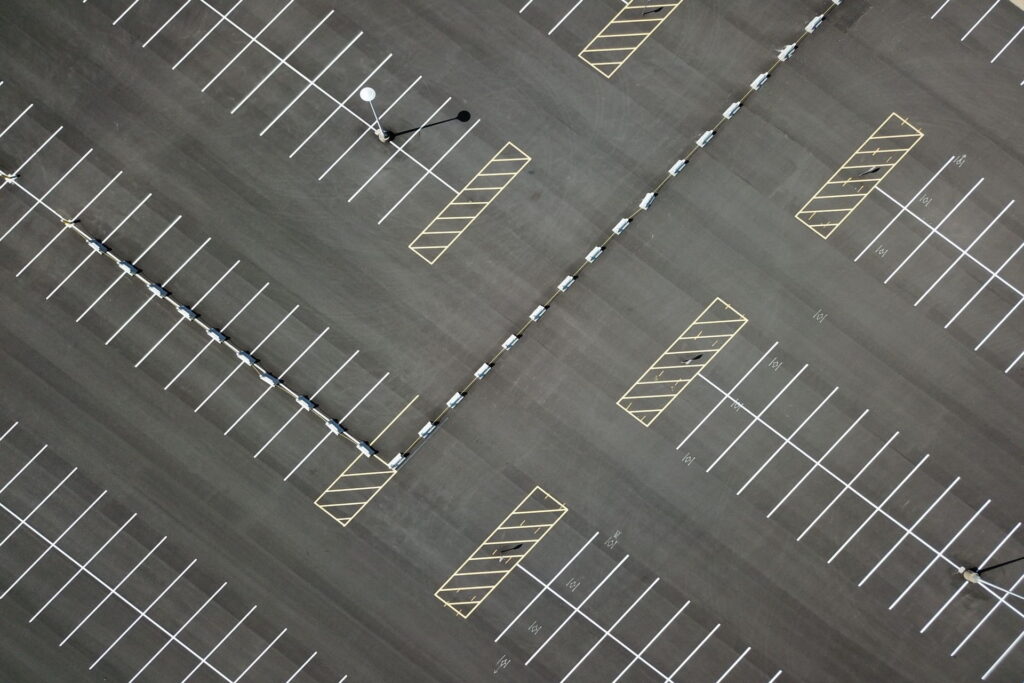
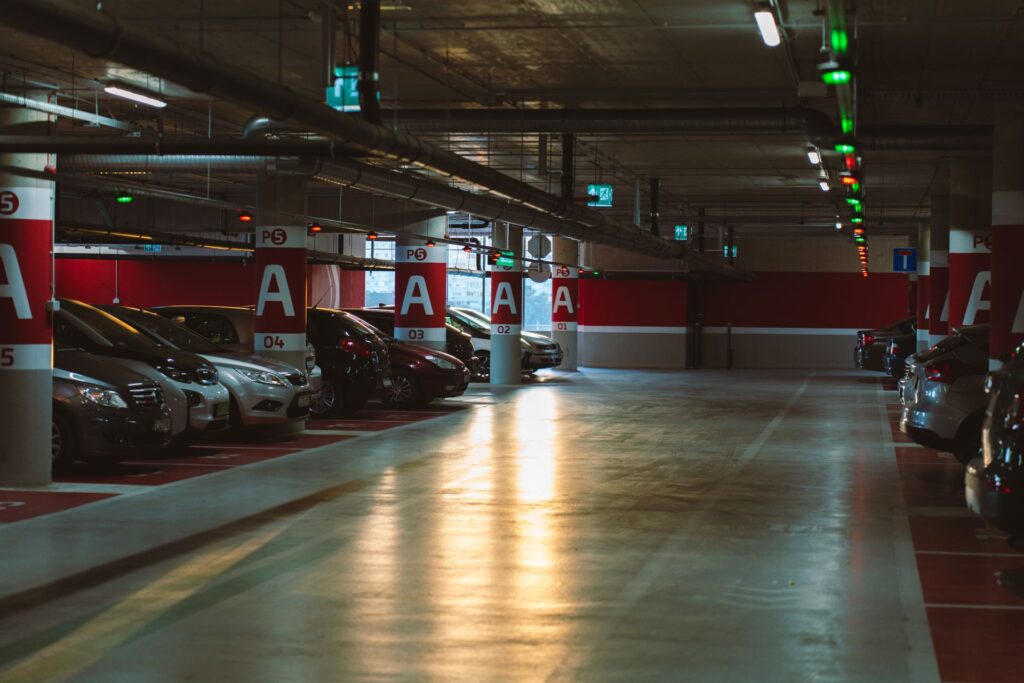
A faded handicap space isn’t simply an eyesore but a liability. For commercial parking lots, ADA-compliant striping requirements are not optional. The Americans with Disabilities Act sets clear requirements for accessible parking spaces, access aisles, signage, and pavement markings. Failing to meet them can result in complaints, fines, and costly lawsuits. In Atlanta, where commercial properties come in all shapes and sizes, getting your striping right is one of the most important things you can do to protect your business. The ADA Sets Specific Rules That Every Commercial Lot Must Follow The Americans with Disabilities Act has been the law since 1990, and its parking lot requirements are detailed and non-negotiable. Every commercial property open to the public is required to provide a minimum number of accessible parking spaces based on total lot size, and those spaces must meet exact dimensional standards. It’s not enough to paint a blue symbol on a regular-sized stall and call it done. The space, the access aisle beside it, the slope of the surface, and the signage all have to meet code. What catches a lot of property owners off guard is that ADA compliance isn’t a one-time checkbox. Pavement markings fade over time, especially in Atlanta’s intense sun, and faded or obscured markings can make a previously compliant lot non-compliant. That’s why ADA pavement striping should be part of every parking lot maintenance cycle, not an afterthought. Staying current on your markings keeps you protected legally and signals to every visitor that your property is managed with care. How Many Accessible Spaces Your Lot Actually Needs The number of required accessible parking spaces is determined by your lot’s total parking capacity, and the ADA lays this out in a straightforward ratio. For lots with 1 to 25 total spaces, one accessible space is required. For lots with 26 to 50 spaces, two are required. From there, the ratio continues to scale up – 51 to 75 spaces require three, 76 to 100 require four, and so on. Larger lots follow a sliding scale that levels off at a percentage of total capacity. Of those required accessible spaces, at least one in every six must be a van-accessible space. Van-accessible spaces have stricter dimensional requirements to accommodate vehicles with side-mounted wheelchair lifts. They need a wider access aisle, at least 8 feet, compared to the 5-foot minimum aisle required for standard accessible spaces. For commercial properties in Atlanta managing large lots, getting this math right matters and should be reviewed any time the lot is restriped or reconfigured. Parking Lot Striping Dimensions Must Meet Exact ADA Standards The dimensional requirements for ADA-compliant accessible spaces are specific, and getting them wrong, even slightly, can mean non-compliance. Standard accessible parking spaces must be at least 8 feet wide, with an adjacent access aisle that is at least 5 feet wide. That aisle must be clearly marked and kept free of obstructions at all times. The aisle is what allows wheelchair users and people with mobility devices to safely exit and enter their vehicles without being blocked by adjacent cars. Here’s a quick reference for the key ADA striping requirements commercial lots need to meet: Location and Access Route Requirements Matter Just as Much It’s not just about the size and markings of the spaces themselves, but where you put them matters, too. ADA regulations require accessible parking spaces to be located on the shortest accessible route to the building entrance they serve. That means if your building has multiple entrances, accessible spaces need to be distributed near each one, not all clustered in a single corner of the lot. Spaces also need to connect to the building via an accessible pedestrian route that is free of curbs, steps, and significant surface irregularities. This is where a lot of older commercial properties in Atlanta run into trouble. A lot that was built and striped decades ago may have accessible spaces in technically legal locations that no longer make sense as the property has evolved because entrances moved, additions built, or traffic patterns changed. If your lot hasn’t been professionally assessed in a while, it’s worth having a contractor walk it with ADA compliance in mind. Catching and correcting location issues before a complaint is filed is always the better outcome. Faded Markings Put You at Risk Even if You Were Once Compliant One of the most overlooked ADA compliance risks for commercial property owners is marking degradation. Parking lot striping fades, and that’s a fact of life. Especially in Atlanta, where summer sun is relentless, and asphalt sealcoating cycles can wear surface paint faster than expected. A lot that passed inspection two years ago may have markings that are now too faint to clearly define accessible spaces, access aisles, and no-parking zones. Unclear markings create confusion, and confusion creates liability. The practical fix is simple: include line restriping as a standard part of every parking lot maintenance cycle. Every time your lot gets sealcoated, typically every two to three years, a full restripe should follow. That keeps all markings crisp, ADA spaces clearly defined, and your property consistently compliant. It’s a relatively low-cost addition to a sealcoating job that eliminates a significant legal risk. Parking lot repairs and restriping go hand in hand for any well-managed commercial property. Advanced Roofing & Paving Keeps Your Lot Compliant and Sharp At Advanced Roofing & Paving, we handle full-service parking lot maintenance for commercial properties across Atlanta, including ADA-compliant striping, line restriping, asphalt sealcoating, and parking lot repairs. Our team knows the ADA standards inside and out and applies them on every job. We don’t just paint lines where you point, but make sure the layout, dimensions, and signage work together to keep your property compliant and your visitors properly served. Whether you need a fresh restripe after a sealcoat, a compliance review of your current lot layout, or a complete overhaul of your accessible parking configuration, we’re equipped to handle it. We work efficiently to minimize disruption to […]

Uncategorized

When to Sealcoat Your Parking Lot (and Why Timing Matters)

Sealcoating your parking lot at the wrong time is almost as bad as not doing it at all. Asphalt sealcoating is one of the best investments you can make in a commercial property, but only when it’s done on the right schedule. So, when to sealcoat the parking lot?  Here’s the thing – apply it too early, too late in the season, or over a surface that isn’t ready, and you’re wasting money on a job that won’t hold up. In Atlanta, where heat, humidity, and heavy rain are all part of the picture, timing your sealcoat correctly makes all the difference. Here’s how to get it right. Sealcoating Is What Keeps Asphalt Looking and Acting Young Fresh asphalt is flexible, dense, and resistant to water and UV damage. But from the moment it’s laid, oxidation begins – the sun breaks down the binder that holds the aggregate together, and the surface gradually turns gray, becomes brittle, and starts to crack. Asphalt sealcoating puts a protective layer over that surface, slowing oxidation dramatically and sealing out the water and oil that accelerate deterioration. It’s essentially a reset button for your pavement’s aging process. Beyond protection, sealcoating restores the rich black appearance of new asphalt, which does a lot for how your property looks and is perceived. A sharp, well-maintained parking lot signals professionalism and attention to detail, whether you’re running a commercial office building or a retail center. And because sealcoating costs a fraction of asphalt repairs or repaving, it’s one of the most cost-effective maintenance tools available to any commercial property owner in Atlanta. Spring and Early Fall Are the Best Windows in Atlanta In Atlanta, the ideal windows for parking lot sealcoating are late spring, roughly April through early June, and early fall, from September through October. During these periods, temperatures are in the right range, humidity is manageable, and the intense heat of summer hasn’t arrived or has passed. Sealcoating cures through evaporation, so it needs warm, dry air to set properly. Those mild-weather windows provide exactly the right conditions for the product to bond, cure, and perform the way it should. Spring scheduling has an added advantage because it gives your freshly sealed lot a full layer of protection before summer’s UV bombardment begins. Atlanta summers are tough on unprotected asphalt, so going into that season with a fresh coat is smart planning. Fall sealcoating, on the other hand, protects the surface heading into the cooler months and sets you up well for the following spring. Either window works well, but the key is actually getting it on the calendar before the season slips away. Asphalt Sealcoating Has Specific Conditions It Needs to Work Asphalt sealcoating isn’t something you can apply in any weather and expect good results. The product requires specific conditions to cure correctly, and cutting corners on those requirements leads to a job that peels, cracks, or washes away far sooner than it should. Understanding what those conditions are helps you have a more informed conversation with your contractor and ensures the work gets scheduled at the right time, and not just the most convenient time. The ideal application conditions for parking lot sealcoating are: New Asphalt Needs to Cure Before It Gets Sealed One of the most common sealcoating mistakes property owners make is sealing new asphalt too soon. Fresh asphalt contains oils that need time to off-gas and stabilize before a sealcoat can adhere properly. If you apply sealcoating too early, within the first few months of a new asphalt paving installation, the product won’t bond well, and you’ll end up with a coat that peels or flakes off prematurely. Most asphalt professionals recommend waiting at least 6 to 12 months before the first sealcoat application. On the flip side, waiting too long to start a sealcoating program on new asphalt means the surface has already begun to oxidize and dry out more than it should. The sweet spot is that 6- to 12-month window – long enough for the asphalt to cure fully, but early enough that the surface is still in great shape and will absorb the sealcoat well. After that first application, sticking to a two- to three-year recoating schedule keeps your lot protected and looking sharp year after year. Cracks Need to Be Fixed Before Sealcoating Goes Down Sealcoating is a preventive maintenance tool because it protects a surface that’s in reasonable condition. It is not a repair product. If your parking lot has cracks, potholes, or areas of significant surface damage, those need to be addressed with proper asphalt repairs before any sealcoating happens. Sealing over cracks without filling them first just coats the exterior while the crack continues to grow underneath, and water can still work its way in through the unsealed edges of the gap. Crack filling and sealcoating work best as a package – fill first, seal second. The crack filler prevents water from getting into the base layer, and the sealcoat provides the protective surface barrier over everything. Skipping the crack filling step and going straight to sealcoating is a shortcut that costs you more money in the long run. A reputable parking lot contractor will always inspect the surface first and recommend any necessary asphalt repairs before the sealcoating crew shows up. Advanced Roofing & Paving Gets Your Lot Ready for Any Season At Advanced Roofing & Paving, we handle asphalt sealcoating, parking lot repairs, and asphalt maintenance for commercial properties across Atlanta. We know the local climate, we know the right products, and we know how to time the work so it performs the way it should. Whether your lot needs a routine sealcoat, crack repairs before the next application, or a full assessment to figure out where things stand, our team is ready to walk the property and give you a straight answer. We handle the scheduling around Atlanta’s weather windows so you don’t have to think about it. Our crews show up prepared, work efficiently, and leave […]

Uncategorized

How Much Does a Commercial Roof Replacement Cost in Atlanta?

How much does a commercial roof replacement cost? It’s the question every property owner eventually has to ask, and the answer is never one-size-fits-all. Commercial roof replacement costs in Atlanta vary widely depending on the size of your building, the roofing system you choose, the condition of your existing roof, and who does the work. That said, understanding the major cost drivers gives you a realistic baseline before you start getting quotes. Here’s an honest, practical breakdown of what goes into the price, and how to make sure you’re getting real value for your investment.  Roof Size Is the Biggest Factor in Your Total Cost Commercial roofing is priced by the square foot, so the size of your roof is the single largest variable in your total project cost. Contractors typically use “squares” as their unit of measurement, and one square equals 100 square feet of roof area. A small multi-family building with a 5,000 square foot roof is going to have a very different price tag than a commercial property with 50,000 square feet of flat roof to replace. Getting an accurate measurement of your roof is the first step in any realistic cost conversation. Beyond sheer square footage, the shape and complexity of your roof also affect cost. A simple, open flat roof with few penetrations is straightforward and efficient to work on. A roof with multiple HVAC units, skylights, vents, drainage systems, and parapets requires more time, more materials, and more skilled labor to detail properly around all those elements. Complexity adds cost, and it should, because those details are where a roof either performs or fails long-term. The Roofing System You Choose Drives the Price Per Square Different commercial roofing systems come with very different price points, and each has its own strengths that may or may not justify the cost for your specific building. TPO is one of the most popular flat roofing options in Atlanta and tends to fall in the mid-range for cost. It offers solid performance, good energy efficiency, and is widely supported by roofing contractors across the region. Modified bitumen and built-up roofing (BUR) are also established options with competitive pricing for multi-layer durability. Metal roofing sits at a higher price point per square foot, but its exceptional lifespan, often 40 to 60 years with proper maintenance, means the long-term cost per year of service can actually be quite competitive. Roof coatings, including silicone roof coating systems, are not full replacements but can dramatically extend an existing roof’s life at a fraction of replacement cost. Your roofing contractor should walk you through the real cost-to-lifespan math for each option rather than just quoting the lowest upfront price.  Commercial Roofing Atlanta Costs Vary by System and Scope In the Atlanta market, commercial roofing replacement costs generally range from $8 to $25 or more per square foot depending on the system, materials, and complexity involved. These numbers shift with material costs, contractor demand, and the specific conditions of each project, which is why getting multiple quotes from qualified local contractors is always the right move. A number pulled from a national average doesn’t account for Atlanta’s labor market, local supplier pricing, or the specific demands of the region’s climate. Here’s a general cost range by roofing system to give you a starting framework: Tear-Off and Deck Repairs Add to the Final Number One cost that surprises a lot of property owners is the tear-off – removing your existing roofing system before the new one goes on. Tear-off adds labor and disposal costs to the project, and the price depends on how many layers are already on the roof and what condition the decking underneath is in. Some roofing systems can be installed over an existing membrane (called a recover), which eliminates tear-off costs entirely, but that option isn’t always appropriate depending on the condition of what’s already there. If the tear-off reveals damaged or deteriorated roof decking beneath the membrane, those repairs become part of the project scope, and rightfully so. Installing a new roofing system over compromised decking defeats the purpose entirely. A trustworthy commercial roofer will flag any deck damage honestly rather than covering it up, and will give you a clear picture of what additional work is required and why. Transparency at this stage is a strong indicator of how the rest of the project will go. Getting the Right Quote Means Asking the Right Questions Not all roofing quotes are comparable on paper, so they have to be read carefully. A low bid might exclude tear-off, use a lower-grade membrane, or come with a thin workmanship warranty that expires after a year. A higher quote might include better materials, a stronger warranty, and a crew with manufacturer certification that unlocks premium coverage. When you’re comparing quotes for a commercial roof replacement in Atlanta, the price per square foot is only one piece of the picture. Ask each contractor to specify the exact materials being used, the warranty terms for both materials and workmanship, whether tear-off and disposal are included, and how they handle unexpected deck damage if it’s discovered during the job. A detailed, itemized quote tells you a lot about how a contractor operates. Vague proposals with a single bottom-line number leave too much room for surprises, and in commercial roofing, surprises are almost always expensive. Advanced Roofing & Paving Gives You Honest Numbers Upfront At Advanced Roofing & Paving, we believe commercial property owners in Atlanta deserve a straight answer when they ask what something costs. We provide detailed, transparent quotes that break down materials, labor, tear-off, and any additional scope items clearly, so you know exactly what you’re paying for before a single crew member steps onto your roof. We don’t lowball to win a bid and make it up later with change orders. What we quote is what you pay. We work with all major commercial roofing systems and can help you compare options side by side based on your building’s needs, your budget, […]

Uncategorized

How Climate Affects Commercial Roof Lifespan in Georgia

Georgia’s weather doesn’t take it easy on anything, especially your roof. When it comes to commercial roofing in Atlanta, the local climate plays a bigger role in how long your roof lasts than most property owners realize. That’s why it’s important to know how climate affects commercial roof lifespan. Heat, humidity, UV radiation, heavy rain, and the occasional freeze all work together to stress roofing materials in ways that simply don’t happen in milder parts of the country. Understanding what Georgia’s weather actually does to your roof and how to fight back is the key to getting maximum lifespan out of your investment.  Georgia Summers Put Every Roofing Material Through Its Paces Atlanta summers are genuinely brutal. Daytime temperatures regularly hit the upper 80s and 90s, and rooftop surface temperatures can exceed 150°F on a clear day. That level of heat does real damage to roofing materials over time. It causes membranes to expand, adhesives to soften, and sealants around flashings and penetrations to dry out and crack. For roofing systems that rely on bonded seams, like TPO and modified bitumen, repeated thermal cycling is one of the primary causes of premature failure. UV radiation compounds the problem. Georgia sits at a latitude where UV exposure is intense year-round, not just in summer. UV breaks down the polymers in roofing membranes, causes bitumen to oxidize and become brittle, and degrades the reflective properties of coatings over time. An unprotected or poorly maintained roof loses its ability to shed heat effectively, which accelerates internal deterioration while simultaneously driving up your building’s cooling costs. This is exactly why reflective roof coatings and regular maintenance are so critical in this climate. Humidity and Moisture Are Working Against You Year-Round Georgia’s humidity is relentless, and moisture is one of the most destructive forces a commercial roof faces. High humidity means there’s always moisture in the air looking for a way into your roofing system. When it finds a small crack, an unsealed penetration, or a flashing that has begun to lift, it gets in. Once it’s inside the roofing assembly, it causes mold, rot, insulation degradation, and structural damage that goes far beyond a simple roof repair. What starts invisible becomes very expensive very fast. Atlanta also receives significant annual rainfall, around 50 inches on average, spread fairly evenly across the year with a spike in summer storm activity. That’s a lot of water hitting your roof, and every drop is testing the integrity of your membrane, your seams, your flashings, and your drainage system. Roofs that are well-maintained and properly drained handle that volume without issue. Roofs that have deferred maintenance or inadequate drainage start to show serious problems within just a few seasons. Commercial Roofing Systems Aren’t All Equal in Georgia’s Climate Not every commercial roofing system is equally equipped to handle what Georgia throws at it. Some materials perform exceptionally well in heat and humidity while others struggle without the right protective measures in place. Choosing the right system for the local climate, rather than defaulting to whatever’s cheapest or most familiar, is one of the most important decisions a commercial property owner makes. A system that’s ideal in the Pacific Northwest might underperform significantly in Atlanta’s conditions. Here’s how major commercial roofing systems generally hold up in Georgia’s climate: Winter in Georgia Still Takes a Toll on Your Roof Atlanta winters are mild compared to much of the country, but that doesn’t mean they’re harmless to your roof. The real threat isn’t sustained cold but temperature swings. Georgia winters regularly see days in the 60s followed by nights that dip into the 20s, and those dramatic shifts cause roofing materials to expand and contract repeatedly throughout the season. Over time, that thermal movement fatigues seams, pulls at flashings, and widens small cracks that might otherwise have stayed manageable. The occasional ice storm adds another layer of risk. When freezing rain or sleet hits Atlanta, water that’s already pooled in low spots or clogged drainage areas can freeze, expand, and force existing vulnerabilities open. It doesn’t happen every winter, but when it does, roofs that weren’t well-maintained going into the cold season tend to show it immediately. A pre-winter inspection, like checking drainage, seams, and flashings before temperatures drop, is a simple and smart precaution for any commercial property owner. Protective Measures That Help Your Roof Go the Distance The good news is that Georgia’s climate challenges are manageable with the right approach. Reflective roof coatings are one of the most effective tools in this market. A quality silicone roof coating bounces UV radiation away from the surface, reduces rooftop temperatures significantly, and adds a seamless waterproof barrier that handles Georgia’s heavy rainfall without degrading under standing water. Applied on a regular recoating cycle, coatings can add a decade or more to an existing roof’s functional life at a fraction of replacement cost. Regular professional inspections are equally important. In Georgia’s climate, small problems escalate fast. In fact, a flashing that’s starting to lift in October can be a serious leak by January after a few freeze-thaw cycles and a winter storm. Catching those issues early through twice-yearly inspections and prompt roof repairs keeps your roof ahead of the climate rather than behind it. The property owners who get the most life out of their commercial roofs are almost always the ones who treat maintenance as a priority rather than an afterthought. Advanced Roofing & Paving Knows What Georgia Roofs Face At Advanced Roofing & Paving, we’ve been working on commercial and multi-family roofs across the Atlanta area long enough to know exactly what Georgia’s climate does to different roofing systems over time. That local experience shapes every recommendation we make, from the materials we specify to the maintenance intervals we suggest. We’re not applying generic roofing advice; we’re drawing on real knowledge of how Atlanta weather behaves and what holds up best against it. Whether you’re installing a new roof and want a system built for Georgia’s conditions, or […]

Scroll to Top