Uncategorized

Uncategorized

How to Extend the Lifespan of Your Commercial Roof

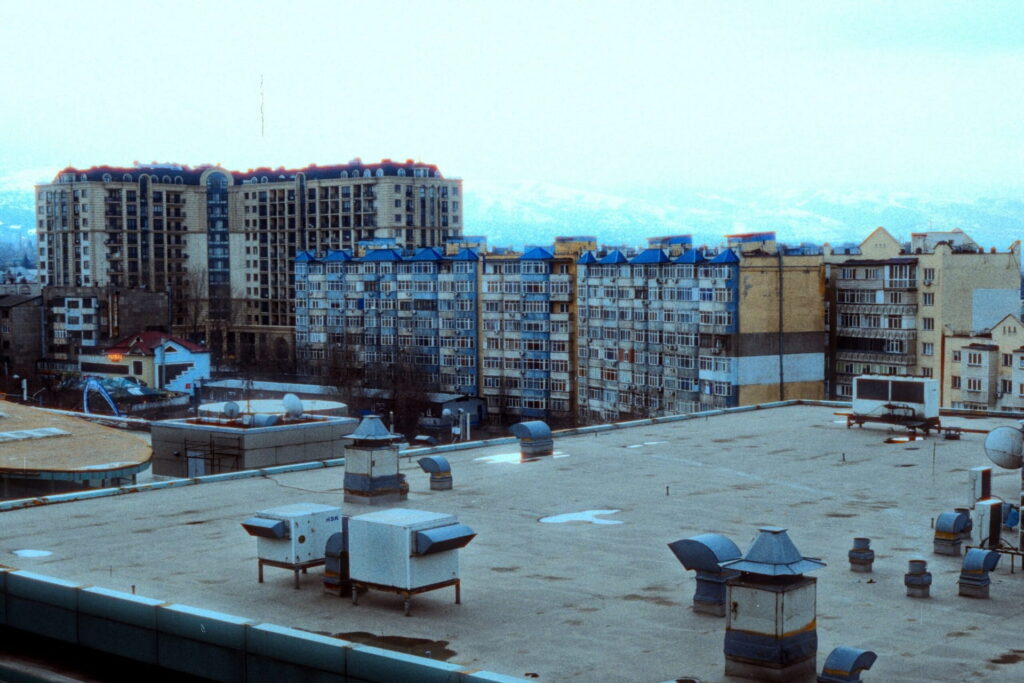
A commercial roof is one of the biggest investments a property owner makes. And like most big investments, how long it lasts depends largely on how well it’s taken care of. But how to extend the lifespan of your commercial roof? The good news is that reaching this goal doesn’t require anything complicated, just consistency. Here’s what the pros do to keep commercial roofs performing well for decades. Regular Inspections Are the Foundation of Roof Longevity You can’t maintain what you don’t monitor. Scheduling routine inspections at a minimum of twice a year is the single most effective habit a property owner can build. Inspections catch small issues before they compound into expensive problems, and they give you a clear picture of where your roof stands at any given time. A qualified roofing contractor brings trained eyes to every inspection. They know what early-stage deterioration looks like, where leaks are most likely to develop, and what warning signs are easy to miss from the ground.  Drainage Maintenance Prevents Premature Roof Deterioration Standing water is one of the fastest ways to shorten a roof’s lifespan. When drainage systems like drains, scuppers, and gutters get clogged with debris, water backs up and pools on the surface. That pooling puts constant pressure on membranes, seams, and flashings, wearing them down far ahead of schedule. Keeping drainage systems clear is straightforward maintenance that pays enormous dividends. After heavy storms or periods of high wind, debris accumulates quickly. A quick check and cleanout after these events keeps water moving off the roof the way it’s supposed to. Roof Coatings Add Years to Any Commercial Roof System If there’s one upgrade that delivers the most return for commercial property owners, it’s a quality roof coating. Coatings create a seamless protective barrier over the existing membrane, shielding it from UV radiation, moisture, and temperature swings. Silicone roof coating is one of the most popular and effective options available today. It’s fully waterproof, stays flexible through extreme temperature changes, and holds up exceptionally well against ponding water. On a roof that’s otherwise in solid condition, a silicone coating can add years of useful life and significantly delay the need for a full replacement. Timely Roof Repairs Stop Small Problems From Spreading Every roof develops minor issues over time, such as a lifted flashing here, a small membrane crack there. The difference between a well-maintained roof and a failing one often comes down to how quickly those issues are addressed. Letting small problems sit is where the real damage happens. Roof repairs done promptly are almost always less expensive than repairs done after damage has had time to spread. Water intrusion is especially unforgiving – once it gets through the membrane, it travels through insulation and decking before showing up as a ceiling stain inside the building. By then, what could have been a minor repair has often become a significant one. Flashings and Seams Need Consistent Attention Over Time Flashings and seams are the hardest-working parts of any roofing system. Flashings seal the transitions between the roof membrane and every wall, curb, drain, and piece of rooftop equipment. Seams hold sections of membrane together across the entire roof surface. Both take the brunt of thermal movement, wind stress, and water exposure year after year. A skilled commercial roofer will pay close attention to these areas during every inspection. Flashings that are starting to lift or pull away from the surface need to be resealed before water finds the gap. Seams showing signs of separation need to be re-welded or repaired before they open up entirely. The Right Roofing System Makes Longevity Easier to Achieve Not all roofing systems age at the same rate, and choosing the right one for your building’s needs is a long-term decision. TPO membranes, when installed by a qualified TPO installer, offer excellent durability, UV resistance, and energy efficiency. Proper installation, particularly at the seams, is critical to getting the most out of the system over time. Metal roofing is another strong option for property owners prioritizing longevity. A well-installed metal roof can last 40 years or more with the right maintenance. It’s resistant to fire, wind, and impact damage, and when coatings are maintained, it holds up in even demanding climates. Rooftop Equipment Management Protects the Membrane Every piece of equipment on a commercial roof, including HVAC units, vents, exhaust fans, and antennas, represents a penetration through the membrane. Each one needs to be properly sealed and regularly checked. When equipment is serviced or replaced, the surrounding membrane is at risk of accidental damage from foot traffic and tools. Establishing clear protocols for rooftop access is an underrated part of roof longevity. Only authorized personnel should be on the roof, and any work done up there should be followed by a membrane check. Something as simple as a screw dropped and stepped on can puncture a membrane and start a leak. A Proactive Maintenance Plan Beats Reactive Repairs Every Time The most cost-effective approach to commercial roofing is preventing problems from occurring in the first place. A structured maintenance plan, built around your specific roof type and age, gives you a roadmap for inspections, cleaning, coating reapplication, and minor repairs on a regular schedule. Property owners who follow a proactive plan consistently spend less on roofing over time than those who only call a commercial roofer when something goes wrong. The math is straightforward – prevention is cheaper than crisis management. Your Roof Can Last Longer Than You Think With the Right Care A well-maintained commercial roof routinely outlasts its projected lifespan. It doesn’t happen by accident – it happens because the right steps are taken consistently, year after year. Inspections, coatings, timely repairs, and proper drainage management all work together to keep the roof performing at its best. Advanced Roofing & Paving works with commercial property owners throughout the Atlanta, GA area to build and execute maintenance plans that maximize roof lifespan. Whether you need an inspection, a silicone coating application, […]
Uncategorized

What to Do After Storm Damage on Commercial Roofs

A bad storm can roll through in a matter of hours and leave serious damage in its wake. For commercial property owners, the aftermath is stressful. It’s especially true when you’re not sure what to do after storm damage on commercial roofs. The wrong moves can make things worse, and waiting too long can turn manageable damage into a major expense. Here’s a clear, step-by-step guide to handling storm damage on your commercial roof the right way. Safety Always Comes Before Everything Else Before anyone sets foot on the roof, safety has to be the priority. Storm damage can compromise the structural integrity of a roof without it being obvious from the outside. Weakened decking, pooled water, and displaced materials all create hazardous conditions that aren’t worth risking. Keep employees and tenants away from areas directly under the damaged section. If there’s any sign of sagging, significant leaking, or structural distress, evacuate those areas immediately. Leave the roof assessment to a qualified commercial roofer who has the training and equipment to evaluate it safely. Document Everything Before Any Cleanup Begins Once it’s safe to do so, document the damage thoroughly before anything is moved, repaired, or cleaned up. Photos and videos are your best friends here. Capture the damage from multiple angles, both from the ground and, if safely accessible, from the roof itself. Good documentation serves two important purposes. First, it gives your roofing contractor a clear picture of what they’re dealing with before they even arrive on site. Second, and just as importantly, it protects you during the insurance claims process. Insurers need evidence of the original damage, and thorough documentation makes that process significantly smoother. Call Your Roofing Contractor Before You Call Anyone Else After a storm, the instinct is often to start cleaning up or making quick fixes. Resist that urge. The first call you make should be to a trusted roofing contractor – not a general handyman, not an unlicensed repair crew, and definitely not whoever knocked on your door offering a deal. Storm chasers, contractors who flood an area after severe weather looking for quick work, are a real problem after major storm events. They often do substandard work, use inferior materials, and disappear when issues come up later. A reputable commercial roofing professional will assess the damage honestly, provide a detailed scope of work, and stand behind what they do. A Professional Inspection Reveals the Full Picture What you can see from the ground after a storm is rarely the full story. Hail damage, for example, leaves subtle marks on membranes that aren’t visible without a close inspection. Wind can lift flashing and reseat it in a way that looks fine but is no longer watertight. Hidden damage left unaddressed always leads to leaks. A thorough post-storm commercial roofing inspection covers every vulnerable area of the roof system. Here’s what a professional will typically assess: Temporary Repairs Buy Time but Are Not a Long-Term Fix If a storm has left openings in your roof, temporary repairs are sometimes necessary to prevent further water intrusion while permanent repairs are planned. Tarping, temporary patches, and emergency sealants can all help bridge the gap. However, these measures are meant to protect the building in the short term and not to replace proper roof repairs. Make sure your roofing contractor documents any temporary work as part of the overall repair plan. Roof Coatings Can Be Part of the Recovery Plan Once the immediate damage has been addressed, it’s worth considering whether a roof coating should be part of the longer-term recovery. Storm damage often accelerates wear on the surrounding membrane, even in areas that didn’t take a direct hit. A protective coating applied after repairs can restore a layer of defense against future weather events. Silicone roof coating is a strong option for commercial roofs coming out of storm repairs. It bonds well to most existing membrane surfaces, handles water exposure exceptionally well, and extends the life of the repaired roof. TPO and Metal Roofing Each Need Specific Attention Different roofing systems show storm damage differently, and the repair approach needs to match the material. On a TPO roof, a skilled TPO installer will look closely at field seams and termination points because these are the areas most vulnerable to wind uplift and hail impact. Re-welding compromised seams is often a key part of the repair. Metal roofing holds up well in most storms, but it’s not invincible. Hail can dent panels, wind can loosen fasteners, and debris impact can crack or scratch protective coatings, leaving the metal exposed to rust and corrosion. Working With Your Insurance Company the Right Way Filing a storm damage claim doesn’t have to be a battle, but it does require preparation. Your documentation, the professional inspection report, and a detailed repair estimate from your roofing contractor are the core of a strong claim. Having all of this organized before you contact your insurer puts you in a much stronger position. Some commercial roofing contractors have experience working directly with insurance adjusters and can help you navigate the process. That kind of support is worth a lot, especially on larger claims where the scope of damage is complex, and the numbers are significant Don’t Let Storm Damage Sit Without a Plan The worst thing you can do after a storm is wait and hope the damage isn’t as bad as it looks. Water doesn’t wait, and neither should you. Every day that goes by without a proper assessment and repair plan is another day that damage can spread, and costs can climb. Advanced Roofing & Paving helps commercial property owners across the Atlanta, GA area respond quickly and effectively to storm damage. From emergency inspections and temporary repairs to full roof restoration and coatings, our team is ready when you need us most. Contact us today, and let’s get your roof back in fighting shape.

Uncategorized

What Is Ponding Water and Why Is It a Problem for Flat Roofs?

Flat roofs are practical, cost-effective, and incredibly common in commercial construction. But they come with one challenge that every property owner needs to understand – ponding water. So, what is ponding water, and why is it a problem for flat roofs? If you’ve ever spotted a puddle sitting on your roof long after the rain stopped, that’s ponding. And it’s a bigger deal than it looks. Here’s why it happens, what it does to your roof, and how to stop it. What Is Ponding Water? Exactly What It Sounds Like Ponding water is any water that remains standing on a roof surface 48 hours or more after rainfall. That 48-hour mark is the industry standard – after that window, water that hasn’t drained is considered a problem. It’s a sign that something in the roof’s drainage system isn’t doing its job. On a perfectly designed flat roof, water should flow toward drains, scuppers, or gutters and exit the surface quickly. When it doesn’t, whether due to clogged drains, inadequate slope, or structural deflection, it sits. And the longer it sits, the more damage it does. Flat Roofs Are Naturally Vulnerable to This Issue Here’s the thing about flat roofs: they’re not actually completely flat. They’re designed with a slight slope to encourage drainage. But over time, that slope can be compromised. The roof deck can deflect under load, insulation can compress, and drains can shift or clog. Any of these can create low spots where water collects. Commercial roofing systems on large buildings are especially susceptible because of their sheer size. The larger the roof, the more surface area there is for water to accumulate, and the more drainage points there are to maintain. One blocked drain on a 50,000-square-foot roof can cause a significant pond to form in a matter of hours. Here Is What Ponding Water Does to Your Roof Ponding water works against your roof in several ways at once. Understanding the damage it causes makes it clear why this issue deserves immediate attention: The damage is cumulative. Each rain event adds to the wear, and over time, what started as a drainage issue becomes a leak or worse, a structural problem. Your Roof’s Drainage System Is the First Line of Defense The most direct cause of ponding water is a drainage system that isn’t keeping up. Drains clog with leaves, dirt, and debris, then scuppers get blocked by windblown material. In the end, gutters fill up, and back up water onto the surface. A good commercial roofer will assess not just whether drains are clear, but whether they’re positioned correctly and functioning at the right capacity for the roof’s size and local rainfall patterns. Sometimes the fix is as simple as clearing a blockage. Other times, additional drains need to be installed to handle the volume of water the roof receives. Roof Coatings Help, but Are Not a Permanent Fix Alone Applying a quality roof coating is one of the best ways to protect a roof that experiences occasional ponding. Silicone roof coating, in particular, is highly resistant to standing water. Unlike other coatings that can soften or degrade when submerged, silicone maintains its integrity even under prolonged water exposure. That said, a coating is a layer of protection, not a solution to the underlying drainage problem. If ponding is happening because of structural deflection or inadequate slope, the coating will slow the damage, but won’t stop it. The root cause needs to be addressed by an experienced commercial roofing professional. TPO and Other Membranes React Differently to Ponding Not all roofing membranes handle standing water the same way. A qualified TPO installer will tell you that TPO membranes are reasonably water-resistant, but prolonged ponding still takes a toll on seams and field welds over time. Heat-welded seams are strong, but consistent water pressure and temperature cycling can stress even the best welds. Metal roofing on low-slope applications can also be affected by ponding, though it’s less common. Water that sits in panel seams or around fasteners accelerates corrosion and can compromise the roof’s weathertight integrity. Roof Repairs for Ponding Damage Have to Address the Cause When ponding water has already caused damage, roof repairs need to go beyond patching the visible problem. Fixing a leak caused by ponding without addressing the drainage issue is like bailing out a boat without plugging the hole. A thorough repair approach involves assessing the full extent of the damage, identifying why water is pooling in that area, and correcting both. That might mean re-sloping sections of the roof, adding tapered insulation to redirect water flow, or installing additional drains. Protect Your Flat Roof Before Ponding Becomes Costly Ponding water is one of those problems that’s easy to ignore until it isn’t. By the time it’s causing visible damage, it’s already been working against your roof for a while. The sooner it’s identified and addressed, the less it costs to fix. Advanced Roofing & Paving serves commercial property owners across the Atlanta, GA area with expert inspections, drainage solutions, coatings, and roof repairs. If your flat roof has standing water that won’t go away, don’t wait it out. Contact us today and let’s find a solution that keeps your roof dry and your building protected.

Uncategorized

Common Causes of Commercial Roof Leaks

A leaking roof is every property owner’s worst nightmare. One day everything looks fine, and the next you’ve got water stains on the ceiling and a repair bill that makes your stomach drop. However, there are some common causes of commercial roof leaks, as most of these issues don’t come out of nowhere. They give off clear signals, and once you know what to look for, they’re a lot easier to prevent. Let’s break it down. Poor Installation Is the Root of Many Problems A commercial roof is only as good as the crew that puts it on. If the roof installation isn’t done right from the start, problems are almost guaranteed to follow. Improper seaming, incorrect fastener placement, and inadequate flashing details are all mistakes that show up as leaks down the road. This is why choosing the right commercial roofer matters so much. An experienced professional follows manufacturer specs, uses the right materials for the job, and doesn’t cut corners to save time. A poor installation might not leak on day one, but it will eventually, and often in ways that are harder to trace back to the source. Flashing Failures Are One of the Most Common Culprits Flashing is the metal or membrane material used to seal transitions, where the roof meets a wall, curb, vent, or drain. It’s a small detail that does a big job. When flashing is improperly installed, damaged, or starts to pull away from the surface, water has a direct path inside. On most commercial roofing systems, flashing issues are among the top causes of leaks. The problem is that flashing damage isn’t always visible from the ground. It takes a trained eye and a hands-on inspection to catch it before water finds its way in. Checking flashings regularly is one of the simplest and most effective things you can do to protect your building. Commercial Roof Leaks Often Start at the Seams Seams are where sections of roofing material meet and bond together. On a flat or low-slope commercial roof, there are a lot of them, and every seam is a potential entry point for water. Over time, seams can separate, shrink, or lose their bond due to temperature changes, UV exposure, and general wear. This is especially true for membrane roofing systems. A qualified TPO installer knows that seam quality is everything. TPO seams are heat-welded, and when done correctly, they’re incredibly strong. But if the weld is weak or inconsistent, the seam will eventually open up, and water will follow.  Drainage Problems Lead to Standing Water Flat roofs don’t shed water the way sloped roofs do. They rely entirely on drains, scuppers, and gutters to move water off the surface. When those systems get clogged with debris like leaves, dirt, or even rooftop equipment that shifts over time, water has nowhere to go. Standing water is one of the most damaging things a commercial roof can face. It adds weight, accelerates material breakdown, and puts constant pressure on seams and membranes. Even a few inches of pooling water can work its way through small vulnerabilities and into the building. Keeping drainage systems clear is a basic but critical part of roof maintenance. Rooftop Equipment Creates Vulnerable Penetration Points Most commercial buildings have something on the roof like HVAC units, exhaust fans, skylights, antennas, or conduit. Every one of those installations requires a penetration through the roofing membrane. And every penetration is a spot where water can get in if it isn’t properly sealed. The seals around rooftop equipment degrade over time. Gaskets dry out, caulk cracks, and boots split. When maintenance crews service equipment, they can also accidentally damage the surrounding membrane without realizing it.  Worn or Missing Roof Coatings Leave the Surface Exposed Roof coatings do more than most people realize. They act as a shield against UV rays, moisture, and temperature extremes, all of which wear down roofing materials over time. When that protective layer wears thin or goes missing entirely, the underlying membrane takes the full force of the elements. A fresh application of silicone roof coating can make a dramatic difference, particularly on flat commercial roofs that deal with ponding water. Silicone stays flexible, bonds well to most existing surfaces, and doesn’t break down when submerged. If your roof coating is visibly worn or hasn’t been reapplied in several years, that’s a gap in your roof’s defenses worth addressing. Age and Neglect Are Slow but Serious Threats Even the best commercial roof has a lifespan. Materials break down, membranes become brittle, and protective layers wear away – that’s just reality. The difference between a roof that reaches the end of its life gracefully and one that starts leaking years too early usually comes down to how well it’s been maintained. Skipping inspections and putting off roof repairs are the fastest ways to shorten a roof’s lifespan. Small issues compound. A tiny crack becomes a split. A loose flashing becomes a gaping gap. A clogged drain becomes chronic ponding.  Catching Leaks Early Saves You a Lot of Money By the time a leak shows up inside your building, it’s already been working its way through your roof system for a while. Water damage spreads fast into insulation, decking, and structural components, and the repair costs grow with every day it goes unaddressed. The smartest approach is to stay proactive. Scheduled inspections by an experienced commercial roofer, timely roof repairs, and protective coatings applied on a regular cycle all work together to keep leaks from ever getting started. A little investment in prevention goes a very long way. Let the Experts Keep Your Roof Watertight Commercial roof leaks are common, but they’re not inevitable. With the right maintenance plan and a team you can trust, your roof can perform reliably for its full expected life, and then some. Advanced Roofing & Paving serves commercial property owners throughout the Atlanta, GA area with expert leak detection, repairs, coatings, and full roofing services. Don’t wait for a leak […]

Uncategorized

How Often to Inspect a Commercial Roof?

Your roof is quietly working 24/7 to protect everything underneath it. Most business owners don’t think about it until something goes wrong, and by then, the damage is done. The truth is, a little attention goes a long way. Knowing how often to inspect your commercial roof could save you thousands of dollars and a whole lot of headaches. Here’s what every property owner needs to know. Your Roofing Contractor Isn’t Trying to Upsell You When a roofing contractor recommends twice-yearly inspections, they mean it. Spring and fall are the ideal windows – spring to catch what winter left behind, and fall to prepare before the cold and wet weather sets in. That baseline of two inspections per year works well for most buildings. But if your property has experienced heavy storms, high winds, or any kind of impact, like a fallen branch, hail, you name it, don’t wait for the next scheduled visit. Getting eyes on the roof right after a major weather event can be the difference between a quick fix and a full-blown repair job. Commercial Roofing Has Its Own Set of Rules Commercial roofing is a different animal compared to residential. These roofs are larger, often flat or low-slope, and loaded with equipment like HVAC units, vents, drains, and more. Every penetration and every piece of rooftop equipment is a potential weak point. Flat roofs are especially prone to pooling water. Standing water breaks down roofing materials faster than almost anything else. It puts pressure on seams, deteriorates membranes, and eventually finds its way inside. Catching these issues during a routine inspection is far cheaper than dealing with the aftermath. How Often to Inspect a Commercial Roof There’s a simple inspection schedule most commercial property owners should follow, and it’s a recommendation from the professionals. Most commercial roofing experts recommend this general timeline: Skipping inspections won’t save you money, but instead will delay discovering problems that grow more expensive the longer they go unaddressed. A routine inspection from a qualified commercial roofer is a smart, proactive investment. The Role of Roof Type in Your Inspection Schedule Different roofs age in different ways. If you have a TPO membrane, a skilled TPO installer will tell you that seams and flashings are the first places to check. TPO is tough and reflective, but it’s not immune to wear, especially around penetrations and edges where movement and expansion put stress on the material. Metal roofing has a reputation for lasting decades, and it earns it. But even metal roofs need regular attention. Fasteners can loosen, panels can shift, and protective coatings can wear thin over time. A proper inspection catches these issues before they turn into leaks or structural concerns. Roof Coatings Are a Smart Investment Between Inspections One of the best things you can do to extend the life of your commercial roof is to apply a quality roof coating. Coatings act as a protective layer against UV damage, moisture, and dramatic temperature changes. They’re cost-effective, and they can add years to a roof that’s otherwise in decent shape. Silicone roof coating has become the go-to choice for many commercial properties, especially those with flat or low-slope designs. It handles standing water better than most other coating types, stays flexible through temperature swings, and reflects heat to reduce energy costs. For buildings that don’t need a full replacement, a silicone coating is often the smartest next step. Small Roof Repairs Now Prevent Big Bills Later When an inspection turns something up, act on it quickly. Roof repairs are almost always cheaper when they’re handled early. A small lifted seam or a minor crack might not look like much, but water is persistent, and it will find a way in if given the chance. Putting off repairs is one of the most expensive habits a property owner can have. A leak that starts small can damage insulation, compromise structural elements, and cause serious interior damage before you even notice it. The rule is simple: if the inspection finds something, fix it fast. What to Look for During a Commercial Roof Inspection A thorough inspection covers more than a quick walk across the roof. Here’s what a qualified commercial roofing inspector will examine carefully: Knowing what goes into a proper inspection helps you ask the right questions and hold your contractor accountable for a thorough job. Don’t Leave Your Commercial Roof to Chance A well-maintained commercial roof doesn’t happen by accident. It takes a consistent inspection schedule, quick action on repairs, and the right protective measures in place. The good news is that staying ahead of problems is far easier and far less expensive than dealing with the fallout when something goes wrong. Advanced Roofing & Paving serves commercial property owners across the Atlanta, GA area with expert roofing inspections, repairs, coatings, and installations. If it’s been a while since your last inspection, now is the time to schedule one. Contact us today and let’s make sure your roof is ready for whatever comes next.

Uncategorized

When Is the Best Time of Year to Replace a Commercial Roof?

When is the best time of year to replace a commercial roof? It’s a question many property owners ask when planning a major roofing project. Timing a roof replacement correctly can save a surprising amount of money and help avoid unnecessary delays. Commercial roofing projects are a significant investment, and when you schedule the work matters almost as much as who you hire to do it. The season affects everything from material performance and labor availability to weather-related interruptions and how well your new roof cures and seals. Let’s explore what you need to know. Spring Is the Sweet Spot for Most Roof Replacements Spring is widely considered the best time of year to replace a commercial roof, and for good reason. Temperatures are mild, humidity is manageable, and the intense summer heat hasn’t arrived yet. Those conditions are ideal for roofing work as adhesives bond properly, membranes lay flat without baking in the sun, and crews can work efficiently without battling extreme heat or unpredictable weather. Scheduling in spring also gives your new roof time to fully cure and settle before storm season arrives. That’s a real advantage in Atlanta, where summer storms can be intense. A roof that’s had a few weeks to set and stabilize handles its first storm season much better than one that was just installed days before. If you’ve been putting off a replacement, early spring is the time to stop waiting and get the work on the calendar. Fall Is a Close Second and Often More Available If spring doesn’t work out, fall is an excellent alternative, and in some ways it’s even more practical. After summer storm season winds down, roofing contractors have more scheduling flexibility, which can mean shorter wait times and more competitive pricing. Temperatures in Atlanta cool down significantly by October, creating comfortable working conditions that are similar to spring. The humidity drops, too, which benefits adhesive-based roofing systems that rely on proper bonding conditions. Fall installations also give your building the winter to settle before the heat of the following summer. For roofing systems like TPO or modified bitumen that can be sensitive to thermal expansion, that gradual break-in period is a plus. The one thing to watch with fall scheduling is cutting it too close to winter because some materials and adhesives have minimum temperature requirements, and dropping into the low 40s can complicate installation. A Commercial Roofing Contractor Can Work Year-Round in Atlanta Atlanta’s relatively mild climate means commercial roofing work is possible in every season, not just spring and fall. Winters here rarely get cold enough to shut down roofing projects entirely, and an experienced commercial roofing contractor knows how to manage cold-weather installs when the situation calls for it. The key is using the right materials and application methods for the conditions on the ground. It’s not ideal, but it’s often very doable. Here’s a quick seasonal snapshot for Atlanta commercial roofing: Your Roofing System Choice Also Affects Timing Different roofing systems have different installation sensitivities, and that factors into the best timing for your project. TPO and other thermally welded systems, for example, perform best when installed in moderate temperatures. Extreme cold can make welding inconsistent, while extreme heat can make it difficult to control. Metal roofing is more forgiving across seasons but still benefits from dry conditions and stable temperatures that reduce thermal movement during installation. Roof coatings, including silicone roof coating applications, also have temperature and moisture requirements that make spring and fall the preferred installation windows. Most coatings need surface temperatures above 50°F and low humidity to cure properly. Applying a coating in the wrong conditions can lead to poor adhesion, bubbling, or premature failure.  Don’t Let a Failing Roof Force Your Hand on Timing The best-case scenario is choosing your replacement timing strategically, but that’s only possible if you’re staying ahead of your roof’s condition. When roofs are allowed to deteriorate to the point of active failure, the timeline gets taken out of your hands. Emergency replacements and urgent roof repairs happen on the weather’s schedule, not yours. Regular inspections are what keep you in the driver’s seat. When a commercial roofer is evaluating your roof on a consistent basis, you get advance notice of when replacement is likely to occur. And it’s typically months or even a year or more before it becomes truly urgent. Advanced Roofing & Paving Helps You Plan the Right Way At Advanced Roofing & Paving, we help commercial property owners in Atlanta plan roof replacements that make sense – for their building, their budget, and their calendar. We’ll give you an honest read on your current roof’s condition, tell you how much life it realistically has left, and help you think through the best timing for your replacement project. Whether you’re looking at TPO, metal roofing, modified bitumen, or a roof coating system to extend what you have, we have the experience to guide you to the right choice for your property. We work year-round across the Atlanta area and know how to deliver quality results in every season. The Right Time to Replace Is the Time You Plan For Spring and fall are the sweet spots, but the honest answer is that the best time to replace your commercial roof is before you’re forced to. Planning ahead gives you control over the process, better pricing, better contractor availability, and a result that performs the way it should from day one. In a city like Atlanta, where the weather can be unpredictable, that head start matters. Ready to find out where your roof stands and when replacement might make sense for your building? Contact Advanced Roofing & Paving today for a professional inspection and honest assessment. Our team will walk you through your options, help you pick the right timing, and make sure your next roof is built to last. Reach out now and let’s start planning.

Uncategorized

How to Prepare Your Commercial Roof for Hurricane and Storm Season

How to prepare your commercial roof for hurricane and storm season is a question every Atlanta property owner should address before severe weather arrives. Storm season doesn’t wait for you to be ready, and commercial roofing systems face serious threats from high winds, heavy rain, and hail every year. Even a small roofing vulnerability can quickly turn into a major emergency when severe weather strikes. The good news is that with proper planning, inspections, and maintenance, much of this damage can be prevented. Here’s how to make sure your commercial roof is ready before the skies turn ugly. Your Pre-Storm Inspection Is the Most Important Step Before storm season kicks in, getting a professional roof inspection should be at the top of your to-do list. A trained commercial roofer knows exactly where to look – flashings, seams, drains, edge details, penetrations, all the spots that tend to fail first under storm stress. What looks fine from ground level can tell a very different story up close. Think of a pre-storm inspection as a stress test for your roof. The inspector is essentially asking: if six inches of rain fell tonight and winds hit 60 miles per hour, what would give first? Once you have that answer, you can prioritize repairs before the season starts. It’s much wiser than scrambling for emergency help when every roofing contractor in Atlanta is slammed with storm calls. Flashings and Seams Are Where Storm Damage Usually Starts If there’s one area that deserves extra attention before storm season, it’s your roof’s flashings and seams. Flashings are the metal pieces that seal transitions where the roof meets a wall, a parapet, an HVAC unit, or a vent. They’re critical to keeping water out, and they’re also the most vulnerable to wind uplift and water intrusion. Seams on single-ply membranes like TPO are equally critical. These factory-welded or adhesive-bonded joints are strong when properly installed, but they can begin to separate over time, especially after repeated heat and UV exposure. A seam that’s starting to lift might hold on through a normal rain but fail completely when a storm puts real pressure on it. Checking and re-bonding any questionable seams before the season starts is a straightforward roof repair that pays off big when the weather rolls in. Commercial Roofing Systems Need Storm-Specific Attention Not all commercial roofing systems face the same storm risks. Knowing what your specific system is vulnerable to helps you and your roofing contractor focus prep efforts in the right places. A targeted approach is smarter than a generic checklist, and it means nothing important gets missed before the season starts. Here’s what storm prep looks like across different roofing systems: Drainage Is Your Roof’s First Line of Defense One of the most overlooked storm prep tasks is making sure your roof drainage is completely clear and functional. Flat and low-slope commercial roofs depend entirely on drains, scuppers, and gutters to move water off the surface. When those are clogged with leaves, debris, or sediment, water ponds, and ponding water during a heavy storm adds significant weight to the roof and dramatically increases leak risk. Before storm season, every drain and scupper on your roof should be cleared and tested. Walk the roof after a light rain to see if water is flowing properly or sitting in low spots. If you’re finding areas where water consistently ponds, that’s a drainage design issue worth addressing before a major storm makes it worse. A Roof Coating Before Storm Season Is a Smart Move If your roof is due for a coating refresh, doing it before storm season is ideal timing. Roof coatings create a seamless, waterproof surface that gives your existing membrane an extra layer of protection against wind-driven rain and standing water. They also seal minor surface cracks and worn spots that could become entry points for water during a storm. A silicone roof coating is especially well-suited for storm prep because it doesn’t erode or break down under standing water the way some other coatings do. Even if your drains back up temporarily during an intense storm and water sits on the roof for hours, a silicone coating holds its seal. Have a Post-Storm Plan Before You Actually Need One Preparation doesn’t stop at pre-season work – it also means knowing what to do right after a storm passes. Have your roofing contractor’s contact information easy to find, and plan to schedule a post-storm inspection as quickly as possible. Damage that gets addressed within days of a storm is almost always less expensive to fix than damage that sits for weeks while water continues to work its way through the system. It also helps to do a basic visual check from the ground immediately after a storm – look for obvious signs like displaced materials, visible membrane tears, or debris on the roof that could cause damage if left. Document anything that looks off with photos and report it to your contractor. This kind of documentation is valuable not just for repairs but also for insurance claims. The Best Storm Protection Starts Long Before the Storm Does Storm season is predictable even when the storms themselves aren’t. That means there’s always time to prepare if you start before the first system rolls in. For commercial property owners in Atlanta, getting your roof inspected, repaired, and protected before hurricane and storm season is one of the highest-value things you can do for your building. Don’t let storm season catch you off guard. Contact Advanced Roofing & Paving today to schedule your pre-storm roof inspection and find out if repairs or a protective coating are the right next step for your building. Our team works with commercial property owners across Atlanta to keep roofs storm-ready year after year.

Uncategorized

The Complete Guide to Parking Lot Maintenance for Commercial Properties

Your parking lot is the first thing people see when they pull up to your property. Cracked asphalt, faded lines, and potholes don’t exactly scream “well-managed property.” But parking lot maintenance is about a lot more than curb appeal. It’s about safety, liability, and protecting a significant paving investment from Atlanta’s punishing heat and heavy rain. The good news is that keeping your lot in great shape doesn’t have to be complicated. Here’s everything you need to know. Asphalt Is Tough, but It Still Needs Regular Attention Asphalt is one of the most durable paving materials available, but it’s not invincible. From the moment it’s laid, it starts taking hits – UV rays break down the binder that holds it together, water works its way into small cracks and expands when temperatures drop, and the constant weight of vehicles compresses and stresses the surface over time. In Atlanta, the combination of summer heat and occasional freezes creates ideal conditions for asphalt deterioration. The encouraging thing about asphalt is that it responds well to preventive care. A surface that’s maintained consistently lasts significantly longer than one that’s left alone until problems become obvious. Most commercial asphalt paving has a potential lifespan of 20 to 30 years, but only if it’s treated right along the way. Skipping maintenance cuts that lifespan roughly in half and leads to much more expensive repairs or full repaving. Asphalt Sealcoating Is the Single Best Preventive Investment If there’s one maintenance task that delivers the most value per dollar on a commercial parking lot, it’s asphalt sealcoating. Sealcoating applies a protective layer over the asphalt surface that shields it from UV damage, water infiltration, oil spills, and everyday wear. It restores the deep black color that makes a parking lot look fresh and well-kept, and more importantly, it slows the oxidation process that causes asphalt to become brittle and crack over time. Parking lot sealcoating should be done every two to three years on most commercial properties, depending on traffic volume and sun exposure. In Atlanta, where summer sun is intense and UV degradation happens fast, staying on that schedule makes a real difference. The cost of sealcoating is a fraction of what you’d spend on major asphalt repairs or repaving. Parking Lot Repairs Should Never Sit on the Back Burner Cracks and potholes don’t stay small. A hairline crack that gets ignored through one rainy season becomes a wide, jagged gap the following summer. Water gets in, softens the base beneath the asphalt, and the surface above starts to buckle and break apart. What could have been a simple, inexpensive asphalt repair turns into a full-depth patch, or worse, a section that needs complete replacement. Parking lot repairs that are caught and handled early cost a fraction of what they do once the damage spreads. Here are the most common parking lot issues to watch for and address promptly: Atlanta’s Climate Puts Extra Pressure on Your Pavement Atlanta’s weather is genuinely tough on asphalt. Summer temperatures regularly push into the 90s, which softens the surface and makes it more susceptible to rutting under heavy vehicles. The UV intensity at that latitude speeds up oxidation, turning asphalt gray and brittle faster than in cooler climates. Then, when the occasional winter freeze hits, any water that’s worked its way into cracks expands and forces them wider. Heavy summer rain is another factor that property owners often underestimate. Atlanta sees some serious downpours, and if your parking lot has drainage issues or low spots where water pools, you’re accelerating the deterioration of your asphalt paving significantly. Water is the number one enemy of pavement. It weakens the base, promotes crack growth, and leads to the kind of subsurface damage that requires expensive repair work to fix properly. A Maintenance Schedule Keeps Costs Predictable and Low One of the best things you can do for your commercial parking lot and your budget is put a maintenance schedule in place and stick to it. Rather than reacting to problems as they appear, a scheduled approach means inspections happen at the right intervals, sealcoating gets done before the surface starts to oxidize heavily, and small asphalt repairs get handled before they become big ones. A typical maintenance cycle for a commercial parking lot in Atlanta looks something like this: a professional inspection every year, asphalt sealcoating every two to three years, crack filling as needed between sealcoat cycles, and a full line restriping after each sealcoat application. Pavement markings fade faster than most people realize, and faded lines create confusion, reduce parking capacity, and can create liability issues if ADA-required spaces aren’t clearly marked. A Well-Maintained Lot Reflects a Well-Managed Property Your parking lot does more work than people give it credit for. It handles thousands of vehicle trips a year, takes a beating from Atlanta’s weather, and makes a first impression on every single person who visits your property. Keeping it in good shape is about protecting your investment, reducing liability, and showing tenants and visitors that your property is professionally managed. Ready to get your parking lot back in shape or put a maintenance plan in place? Contact Advanced Roofing & Painting today for a free assessment. Our team will walk your lot, identify what needs attention, and put together a practical plan that fits your timeline and budget. Don’t wait for a pothole to become a lawsuit – reach out now and let’s take care of it.

Uncategorized

How Roof Ventilation Impacts Commercial Building Performance

When it comes to knowing how roof ventilation impacts commercial building performance, it’s important to note that few factors are as important as a properly designed ventilation system. In commercial roofing, ventilation plays a critical role in controlling energy costs, extending roof lifespan, improving indoor air quality, and preventing moisture-related damage. If your Atlanta building is struggling with excessive heat, humidity, or high utility bills, inadequate roof ventilation may be contributing to the problem. Here’s what you need to know. Poor Ventilation Is Silently Damaging Your Roof Right Now Without proper airflow, heat and moisture get trapped in the roofing system. That trapped heat puts serious stress on roofing materials, because it causes membranes to expand, seams to shift, and adhesives to break down faster than they should. Over time, this dramatically shortens the life of your roof. What should last 20+ years might start showing serious wear in half that time, leading to expensive roof repairs long before you planned for them. Moisture is just as damaging. When warm, humid air gets trapped in the roofing assembly with no way to escape, it condenses. That moisture seeps into insulation, decking, and structural components, causing rot, mold, and corrosion over time. In Atlanta’s humid climate, this is a real and ongoing risk. The fix isn’t complicated, but it does require the right ventilation strategy installed by a knowledgeable commercial roofer. Good Ventilation Keeps Energy Costs Under Control A poorly ventilated roof turns your building into an oven. Heat builds up in the roofing assembly and radiates downward, forcing your HVAC system to work overtime to keep interior temperatures comfortable. In Atlanta, where summer temperatures regularly push past 90°F, that extra strain on your cooling system adds up fast. You end up paying significantly more in energy costs month after month, and the problem doesn’t fix itself. Proper ventilation allows hot air to escape before it transfers into the building. Combined with reflective roof coatings or a silicone roof coating, the difference in thermal performance can be dramatic. Some commercial property owners see noticeable reductions in cooling costs after addressing ventilation issues. It’s one of those improvements that pays for itself, and keeps paying every summer. That’s a smart investment for any commercial building owner. Commercial Roofing Systems Each Have Unique Ventilation Needs Not all commercial roofing systems are ventilated the same way. The approach depends on what type of roof you have, how it’s constructed, and what the building is used for. A qualified commercial roofing contractor will assess your specific setup before recommending a ventilation solution. Getting this wrong or applying a one-size-fits-all approach can actually make things worse. Here’s how ventilation needs can vary by roofing system: Ventilation Problems Show Up in Ways You Might Not Expect One of the tricky things about ventilation issues is that they don’t always look like roof problems. You might notice hot spots in certain rooms, higher utility bills, or HVAC systems that run constantly but never quite catch up. In multi-family buildings, tenants on the top floor are usually the first to feel it – their units run warmer, and comfort complaints start rolling in. These are all signals worth taking seriously. On the roof itself, signs of ventilation problems include blistering or bubbling on the membrane surface, soft spots in the decking, and visible moisture staining on the underside of the roof. Roof repairs that keep coming back in the same spots are another red flag – it’s often not just bad luck but a deeper issue with airflow or moisture management. A thorough inspection by an experienced commercial roofer can trace these symptoms back to their source. Roof Coatings and Ventilation Work Better Together Roof coatings are a powerful tool for managing heat on commercial buildings, but they work best when the ventilation underneath is also doing its job. A reflective coating bounces solar energy away from the roof surface, reducing the heat load from above. But if hot air is still getting trapped in the assembly below, you’re only solving half the problem. Addressing both together gives you the full benefit of each. A silicone roof coating, for example, is an excellent way to boost thermal performance on a flat or low-slope commercial roof. It’s seamless, highly reflective, and can be applied over most existing roofing systems without a full tear-off. When paired with proper ventilation, the results are even more impressive – lower surface temperatures, less heat transfer into the building, and a longer-lasting roof overall. It’s the kind of combination that makes a real difference on your bottom line. Advanced Roofing & Paving Gets Ventilation Right From the Start At Advanced Roofing & Paving, we install roofs and make sure they perform. That means taking ventilation seriously on every project, whether it’s a new installation, a re-roof, or a repair. Our team evaluates each building’s unique layout, usage, and climate exposure before recommending a ventilation approach. From multi-family residential buildings to large commercial properties, we understand how much is riding on a well-performing roof. When ventilation is dialed in, everything works better – your roof lasts longer, your energy bills stay manageable, and your tenants or occupants stay comfortable. A Well-Ventilated Roof Is a Better-Performing Roof Roof ventilation might not be the most exciting topic, but it’s one of the most impactful. The right airflow strategy protects your roofing materials, reduces your energy costs, and keeps moisture from quietly destroying your building from the inside out. Ignoring it is one of the most common and most costly mistakes commercial property owners make. If you’re not sure whether your Atlanta building has adequate roof ventilation, now is the time to find out. Contact Advanced Roofing & Paving today to schedule a professional inspection. Our team will evaluate your current setup, identify any issues, and walk you through your options. Let’s make sure your roof is working as hard as it should.

Uncategorized

How to Decide Between Built-Up Roofing vs. Modified Bitumen

When it comes to flat or low-slope roofs, two systems are always compared in the conversation: Built-Up Roofing (BUR) vs. Modified Bitumen. Both are proven options, but they work differently and suit different needs. If you oversee a commercial building in Atlanta, choosing the right system matters more than most people think. Let’s break it all down. Built-Up Roofing Has Been Around for Over a Century Built-Up Roofing, commonly called BUR, is one of the oldest flat roofing systems still in wide use today. It’s made by layering multiple plies of roofing felt and bitumen (either hot asphalt or coal tar) on top of each other. Each layer adds strength, and the result is a thick, durable membrane that can handle heavy foot traffic and tough weather. It’s not glamorous, but it gets the job done year after year. BUR systems are often finished with a gravel or mineral surface that reflects UV rays and protects the membrane underneath. This makes them especially popular on large commercial buildings where longevity is a priority. A properly installed BUR roof can last 20 to 30 years with minimal upkeep. For property owners in Atlanta looking for a time-tested option, BUR remains a solid contender worth considering.  Modified Bitumen Brings Modern Technology to Flat Roofing Modified Bitumen was developed in the 1960s as an upgraded alternative to traditional BUR. It uses asphalt that’s been chemically modified with polymers, typically APP (atactic polypropylene) or SBS (styrene-butadiene-styrene). These additions make the membrane more flexible, more resistant to temperature swings, and easier to install. It comes in rolls and can be applied using heat (torch-down), cold adhesive, or self-adhesive methods. One of the biggest advantages of Modified Bitumen is its flexibility, especially in climates that see both heat and cold. Atlanta summers are intense, and roofing materials that can’t expand and contract properly tend to crack over time. Modified Bitumen handles those thermal cycles well. It’s also lightweight compared to BUR, which reduces the structural load on your building. That makes it a popular choice for roofing contractors working on renovations or older structures. A Commercial Roofing Expert Knows Which System Fits Your Needs Choosing between BUR and Modified Bitumen is about your building’s specific conditions. A qualified commercial roofing contractor will look at factors like roof slope, existing structure, local climate, and your budget before making a recommendation.  In Atlanta, where summer heat can be relentless, and storms pop up fast, those details really matter. Getting the right system from the start saves you money on repairs and extends your roof’s lifespan significantly. Here’s a quick side-by-side to help you see the key differences: Roof Coatings Can Extend the Life of Both Systems No matter which roofing system you go with, roof coatings can add years to its lifespan. A silicone roof coating, for example, creates a seamless, waterproof barrier that reflects heat and reduces your cooling costs in the summer. It’s applied directly over your existing roof, which means no costly tear-off or disposal fees. For BUR and Modified Bitumen roofs alike, coatings are one of the smartest maintenance investments you can make. Coatings also make roof repairs easier to spot and address early. When a coating starts to thin or blister in one area, it’s a clear signal that something needs attention before it becomes a major problem. Regular inspections combined with timely recoating cycles can keep a flat roof in great shape for decades. It’s a low-cost strategy with a high return, especially for commercial property owners managing large roof surfaces. Roof Repairs Should Never Be Put on the Back Burner Whether you have a BUR or Modified Bitumen roof, small issues tend to grow fast if ignored. A minor leak can quickly become water damage inside your building, leading to mold, structural issues, and costly interior repairs. That’s why regular inspections (ideally twice a year and after major storms) are a must for any commercial property owner. Catching problems early is always cheaper than dealing with the aftermath. Both BUR and Modified Bitumen are repairable systems, which is a big part of why they’ve stayed popular for so long. Damaged sections can be patched or replaced without tearing off the entire roof. In Atlanta, where storms can bring heavy rain, hail, and high winds, that repairability is a real advantage. A trusted roofing contractor can assess the damage, give you an honest assessment, and get your roof back in shape without breaking the bank. Advanced Roofing & Paving Is Ready to Help You Decide At Advanced Roofing & Paving, we’ve been helping commercial property owners across Atlanta navigate exactly these kinds of decisions. Our team knows both systems inside and out, and we’ll give you a straight answer about what makes sense for your building. We handle everything from new installs and roof coatings to roof repairs and ongoing maintenance. The Right Roof Starts With the Right Partner Both BUR and Modified Bitumen have their strengths, and the best choice depends on your building, your budget, and your long-term goals. What they both have in common is this: they perform best when installed and maintained by people who know what they’re doing. In Atlanta’s demanding climate, cutting corners on your commercial roof is never worth it. Ready to find out which system is the right fit for your property? Contact Advanced Roofing & Paving today for a free consultation. Our team of experienced commercial roofing professionals is standing by to assess your roof, answer your questions, and put together a plan that works for you. Don’t wait for a small problem to turn into a big one – reach out now and let’s get started.

Scroll to Top