
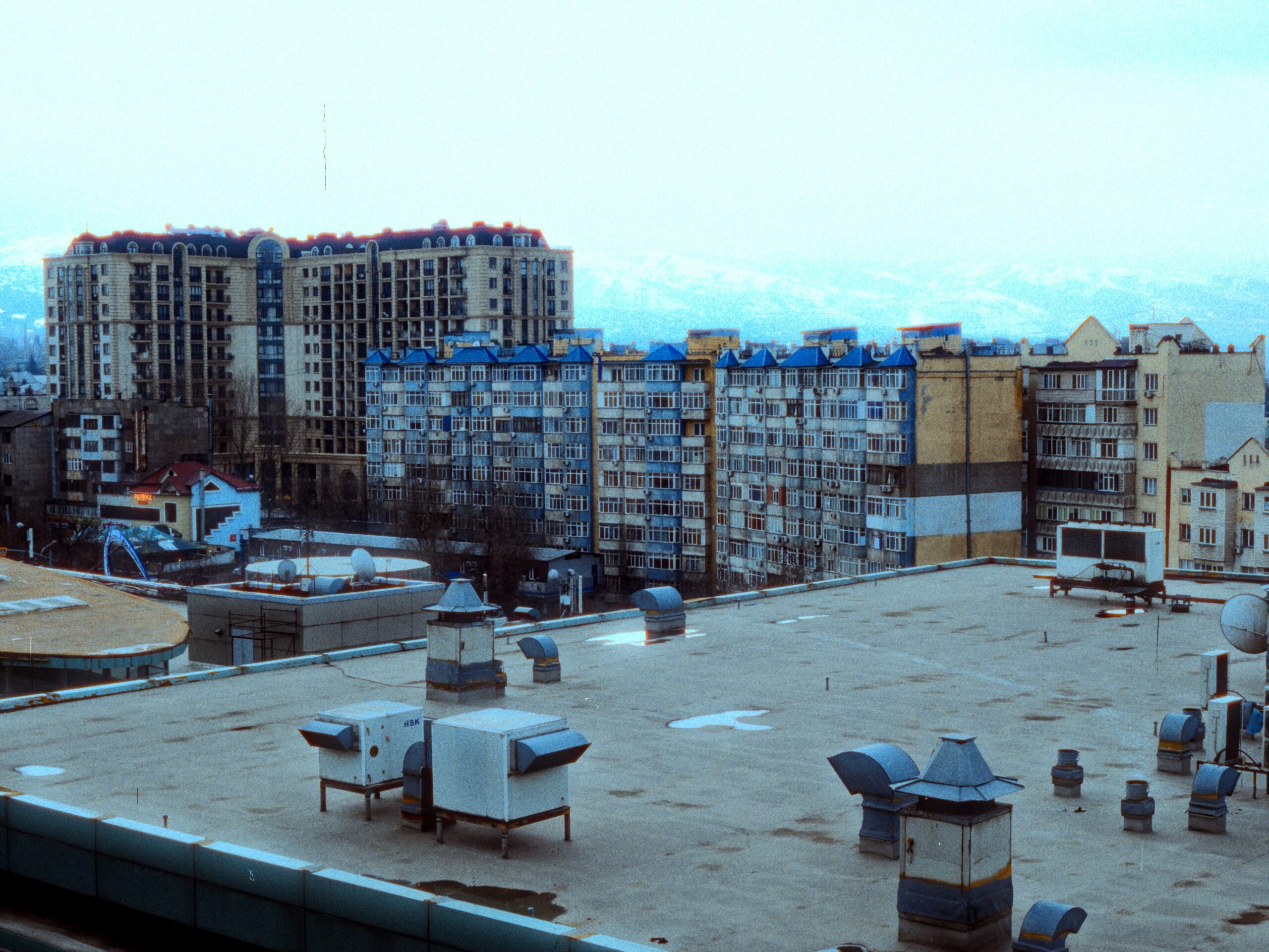
Flat roofs are practical, cost-effective, and incredibly common in commercial construction. But they come with one challenge that every property owner needs to understand – ponding water. So, what is ponding water, and why is it a problem for flat roofs? If you’ve ever spotted a puddle sitting on your roof long after the rain stopped, that’s ponding. And it’s a bigger deal than it looks. Here’s why it happens, what it does to your roof, and how to stop it.
What Is Ponding Water? Exactly What It Sounds Like
Ponding water is any water that remains standing on a roof surface 48 hours or more after rainfall. That 48-hour mark is the industry standard – after that window, water that hasn’t drained is considered a problem. It’s a sign that something in the roof’s drainage system isn’t doing its job.
On a perfectly designed flat roof, water should flow toward drains, scuppers, or gutters and exit the surface quickly. When it doesn’t, whether due to clogged drains, inadequate slope, or structural deflection, it sits. And the longer it sits, the more damage it does.
Flat Roofs Are Naturally Vulnerable to This Issue
Here’s the thing about flat roofs: they’re not actually completely flat. They’re designed with a slight slope to encourage drainage. But over time, that slope can be compromised. The roof deck can deflect under load, insulation can compress, and drains can shift or clog. Any of these can create low spots where water collects.
Commercial roofing systems on large buildings are especially susceptible because of their sheer size. The larger the roof, the more surface area there is for water to accumulate, and the more drainage points there are to maintain. One blocked drain on a 50,000-square-foot roof can cause a significant pond to form in a matter of hours.
Here Is What Ponding Water Does to Your Roof
Ponding water works against your roof in several ways at once. Understanding the damage it causes makes it clear why this issue deserves immediate attention:
- Added weight: Water weighs about 5 pounds per square foot per inch of depth, putting serious structural stress on the building.
- Membrane deterioration: Constant moisture exposure breaks down roofing membranes faster than normal weathering.
- Seam and flashing stress: Prolonged water contact weakens bonds and causes seams to separate.
- Algae and vegetation growth: Standing water creates the perfect environment for biological growth that further degrades materials.
- Accelerated UV damage: Water acts as a magnifier for UV rays, speeding up material breakdown around the pond’s edges.
The damage is cumulative. Each rain event adds to the wear, and over time, what started as a drainage issue becomes a leak or worse, a structural problem.
Your Roof’s Drainage System Is the First Line of Defense
The most direct cause of ponding water is a drainage system that isn’t keeping up. Drains clog with leaves, dirt, and debris, then scuppers get blocked by windblown material. In the end, gutters fill up, and back up water onto the surface.
A good commercial roofer will assess not just whether drains are clear, but whether they’re positioned correctly and functioning at the right capacity for the roof’s size and local rainfall patterns. Sometimes the fix is as simple as clearing a blockage. Other times, additional drains need to be installed to handle the volume of water the roof receives.
Roof Coatings Help, but Are Not a Permanent Fix Alone
Applying a quality roof coating is one of the best ways to protect a roof that experiences occasional ponding. Silicone roof coating, in particular, is highly resistant to standing water. Unlike other coatings that can soften or degrade when submerged, silicone maintains its integrity even under prolonged water exposure.
That said, a coating is a layer of protection, not a solution to the underlying drainage problem. If ponding is happening because of structural deflection or inadequate slope, the coating will slow the damage, but won’t stop it. The root cause needs to be addressed by an experienced commercial roofing professional.
TPO and Other Membranes React Differently to Ponding
Not all roofing membranes handle standing water the same way. A qualified TPO installer will tell you that TPO membranes are reasonably water-resistant, but prolonged ponding still takes a toll on seams and field welds over time. Heat-welded seams are strong, but consistent water pressure and temperature cycling can stress even the best welds.
Metal roofing on low-slope applications can also be affected by ponding, though it’s less common. Water that sits in panel seams or around fasteners accelerates corrosion and can compromise the roof’s weathertight integrity.
Roof Repairs for Ponding Damage Have to Address the Cause
When ponding water has already caused damage, roof repairs need to go beyond patching the visible problem. Fixing a leak caused by ponding without addressing the drainage issue is like bailing out a boat without plugging the hole.
A thorough repair approach involves assessing the full extent of the damage, identifying why water is pooling in that area, and correcting both. That might mean re-sloping sections of the roof, adding tapered insulation to redirect water flow, or installing additional drains.
Protect Your Flat Roof Before Ponding Becomes Costly
Ponding water is one of those problems that’s easy to ignore until it isn’t. By the time it’s causing visible damage, it’s already been working against your roof for a while. The sooner it’s identified and addressed, the less it costs to fix.
Advanced Roofing & Paving serves commercial property owners across the Atlanta, GA area with expert inspections, drainage solutions, coatings, and roof repairs. If your flat roof has standing water that won’t go away, don’t wait it out. Contact us today and let’s find a solution that keeps your roof dry and your building protected.