
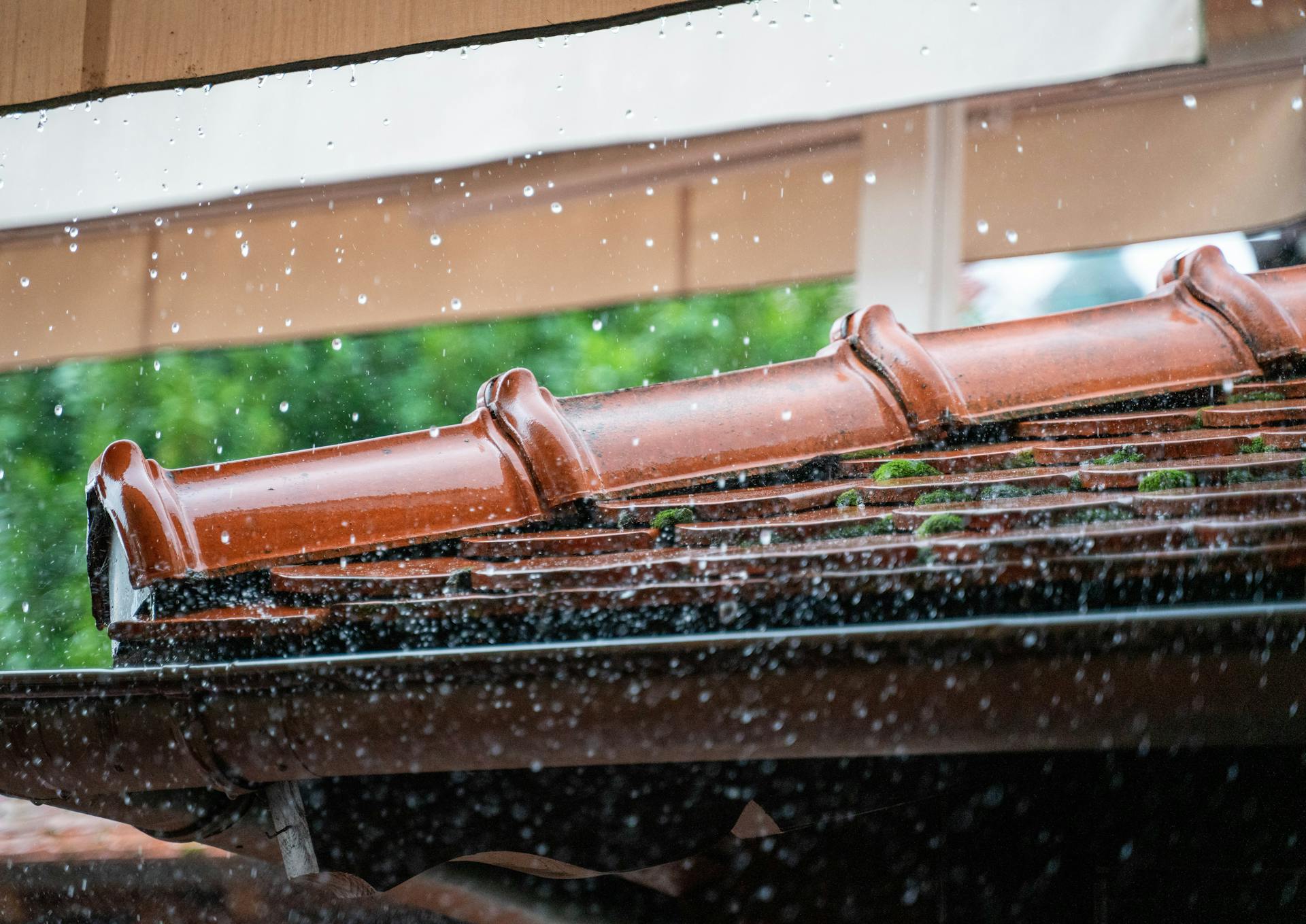
Commercial roofing systems are constantly exposed to changing weather conditions. From intense summer heat to heavy rain, wind storms, and occasional cold snaps, every season brings unique challenges that can shorten roof lifespan. Understanding commercial roof weatherproofing tips for every season helps property owners protect their investment, reduce repair costs, and extend the life of their roofing system.
Why Seasonal Weatherproofing Matters for Commercial Roofs
Commercial roofs, especially flat and low-slope systems, cover large surface areas and are directly exposed to environmental stress. Unlike residential roofs, they often house HVAC systems, drainage components, and multiple penetrations that increase vulnerability. Without seasonal weatherproofing, roofs may develop:
- Premature membrane aging
- Water pooling and leaks
- UV-related cracking and shrinkage
- Wind uplift damage
- Thermal expansion stress
By preparing a roof for each season, property managers can reduce unexpected failures and avoid costly emergency repairs.
Preparing for Hot Weather and Summer Heat
Summer is one of the most damaging seasons for commercial roofs. High temperatures and prolonged UV exposure cause roofing materials to expand, soften, and degrade over time. Flat roofs are especially vulnerable because they absorb and retain heat throughout the day.
One of the most effective strategies for summer protection is improving reflectivity. Light-colored membranes and reflective systems such as TPO roofing help reduce heat absorption and keep surface temperatures lower. This not only protects the roof but also improves building energy efficiency by reducing cooling demand.
Routine inspections before and during summer are also important. Small issues such as seam separation or minor punctures can worsen quickly under extreme heat. Addressing these early helps prevent larger failures later in the season.
Managing Heavy Rain and Moisture in Spring and Fall
Spring and fall often bring heavy rainfall and storm activity, which place significant stress on drainage systems. Water is one of the leading causes of commercial roof damage, especially when it is allowed to pool or infiltrate weak points in the membrane.
Proper drainage is critical. Roof drains, gutters, and internal drainage systems must remain clear of debris to allow water to flow freely. Even small blockages can lead to standing water, which increases the risk of leaks and structural stress.
In addition to drainage maintenance, waterproofing systems play a key role in seasonal protection. Seamless solutions such as silicone roof coatings provide an extra layer of defense against moisture intrusion. These coatings are especially useful for aging roofs that need reinforcement without full replacement.
Protecting Against Wind and Storm Damage
Wind storms can cause immediate and visible damage to commercial roofs, especially those with loose flashing, aging seams, or exposed edges. High winds create uplift pressure that can peel back roofing membranes or loosen materials over time.
To reduce wind-related risks, regular inspections of edge details, flashing, and roof penetrations are essential. These are often the first areas to fail during storms. Reinforcing weak points before storm season significantly reduces the likelihood of emergency repairs.
After major wind events, even if no visible damage is present, a professional inspection is recommended. Hidden issues such as micro-tears or loose seams can develop into leaks if left unaddressed.
Preparing for Cold Weather and Temperature Fluctuations
While extreme cold is less frequent in many commercial regions, temperature fluctuations between day and night can still affect roof performance. Expansion and contraction cycles place stress on seams, fasteners, and membrane joints.
Over time, this movement can lead to cracking or separation if the roofing system is not flexible enough to accommodate changes. Materials designed for durability and flexibility perform better in these conditions, especially when combined with proper installation techniques.
Insulation also plays an important role during colder months. A well-insulated roof system reduces thermal stress and helps maintain stable indoor temperatures, which improves both building efficiency and roof longevity.
The Role of Preventive Maintenance in Year-Round Protection
While seasonal preparation is important, ongoing maintenance is what ensures long-term roof performance. Many commercial roof failures are not caused by extreme weather alone, but by small issues that were never addressed.
A preventive maintenance plan typically includes regular inspections, debris removal, and minor repairs. This allows property managers to identify problems early, such as seam wear, drainage issues, or punctures from rooftop equipment.
Consistent maintenance reduces the need for emergency repairs and extends the lifespan of the roofing system significantly. It also allows contractors to plan improvements strategically rather than reactively.
Why Professional Roofing Expertise Matters
Commercial roofing systems are complex and require specialized knowledge to maintain properly. Working with experienced professionals ensures that weatherproofing strategies are tailored to the specific building type, materials, and climate conditions. A qualified commercial roofing contractor can assess:
- Membrane condition and aging
- Drainage efficiency
- Flashing and edge integrity
- Energy performance and reflectivity
- Seasonal vulnerability risks
Professional guidance helps property owners prioritize repairs and upgrades that deliver the greatest long-term value.
Long-Term Benefits of Seasonal Weatherproofing
Investing in seasonal roof protection provides more than just short-term security. Over time, it leads to:
- Lower repair and replacement costs
- Improved energy efficiency
- Fewer emergency service calls
- Extended roof lifespan
- Better overall building performance
For commercial property owners, this proactive approach is far more cost-effective than responding to damage after it occurs.
Get Professional Weatherproofing Solutions for Your Roof
Commercial roofs face constant exposure to changing weather conditions, and each season presents unique risks. By implementing structured weatherproofing strategies—ranging from heat reflection and drainage maintenance to wind protection and insulation support—property owners can significantly improve roof durability and performance.
A well-maintained system is not just more resilient; it is also more efficient and cost-effective over time. Contact us for proper planning and regular inspections, so your commercial roofing systems can withstand seasonal challenges and deliver reliable protection year-round.