There are several reasons to consider the pros and cons of built-up roofing. First and foremost, commercial properties like office buildings, retail centers, warehouses, and industrial facilities often have large, flat or low-slope roof areas that require durable, dependable roofing systems.
Built-up roofing (BUR) is one of the oldest and most proven low-slope roofing systems available, and it remains a popular choice for commercial building owners and facility managers. Here’s a closer look at what built-up roofing is and the advantages and drawbacks it brings to commercial properties.
What Is Built-Up Roofing?
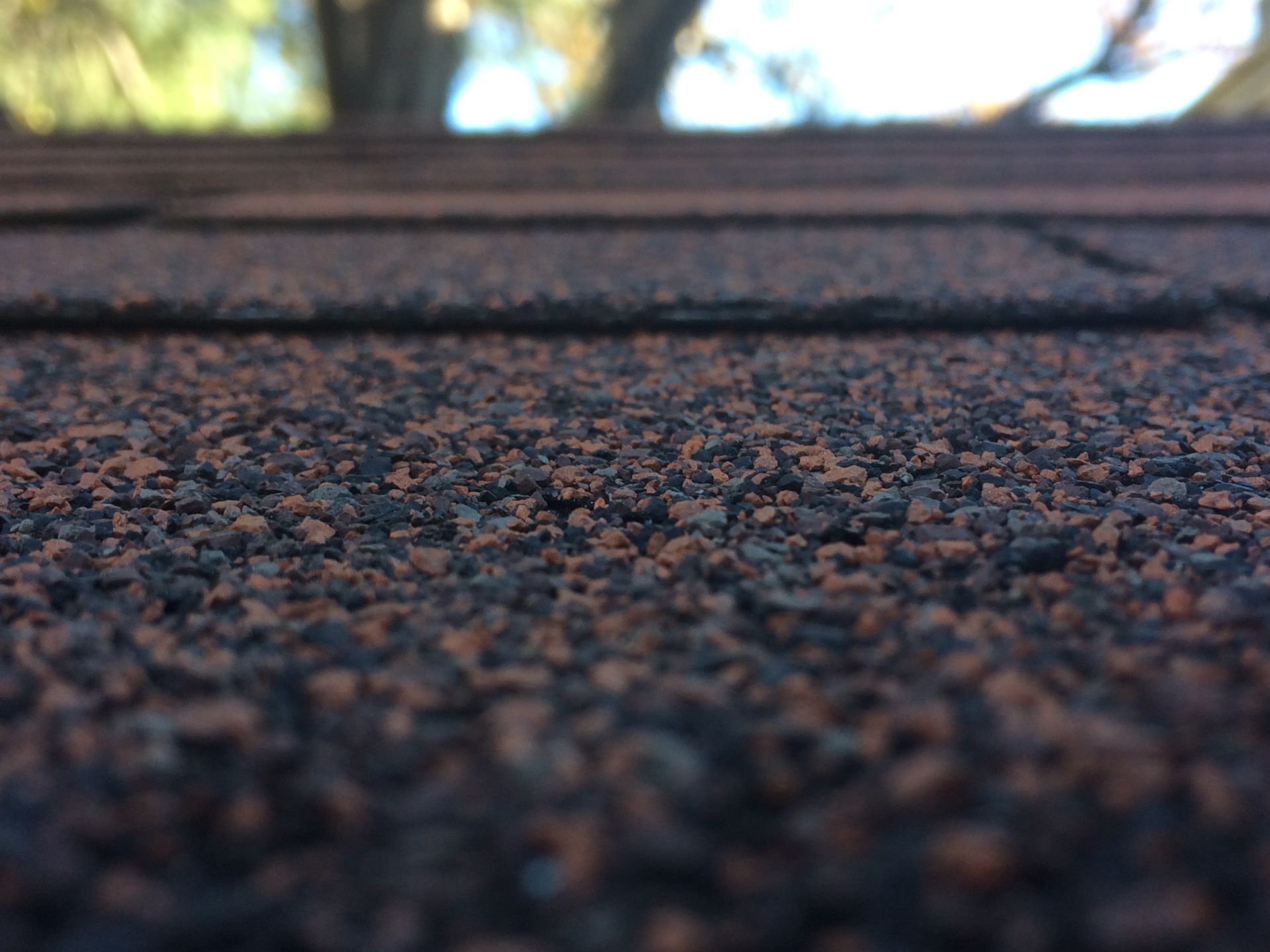
Built-up roofing, often called “tar and gravel roofing,” is a multi-layered roofing system constructed from alternating layers of bitumen (asphalt or coal tar) and reinforcing fabrics, topped with a protective layer of gravel or a reflective coating. Each additional layer, or “ply,” adds strength and waterproofing, which is why BUR systems are often described by their number of plies, such as a three-ply or four-ply system.
BUR has been used in low-slope and flat roof applications for well over a century, and its long track record makes it a familiar, trusted option for building owners.
Pros of Built-Up Roofing for Commercial Properties
For property owners weighing their options, built-up roofing brings a number of well-established benefits to the table, many of which stem directly from its layered, redundant construction. Here’s what makes it a strong contender for commercial buildings.
Proven Durability and Longevity
Built-up roofing systems are known for their long service life, often lasting 20–30 years or more with proper maintenance. For commercial property owners planning for long-term asset value, this durability can make BUR a sound investment.
Excellent Protection Against Foot Traffic
Commercial properties frequently require roof access for HVAC maintenance, satellite installations, or general upkeep. The multiple layers and gravel or coated surface of a BUR system hold up well against regular foot traffic compared to some single-ply alternatives.
Strong Resistance to Punctures and Impact
The layered construction of BUR provides solid protection against punctures from debris, hail, and general wear, which is valuable for large roof areas exposed to the elements over many years.
Effective Waterproofing
When properly installed, the multiple redundant layers of a BUR system create a highly effective barrier against water intrusion, an important consideration for buildings where a roof leak can damage inventory, equipment, or interrupt business operations.
Cost-Effective for Large, Flat Roof Areas
Built-up roofing has historically offered strong value on a cost-per-square-foot basis for large flat roofs, making it an appealing option for sprawling commercial and industrial complexes with significant roof square footage.
Fire Resistance
BUR systems, particularly those topped with gravel, offer good fire resistance, which can be a meaningful factor for insurance considerations and life-safety planning in commercial and industrial facilities.
Cons of Built-Up Roofing for Commercial Properties
Despite its long track record, built-up roofing isn’t the right fit for every commercial property. Property owners should weigh the following drawbacks before committing to a BUR system:
- Heavy weight – BUR systems, especially those with a gravel surface, are considerably heavier than single-ply alternatives. This added weight requires adequate structural support, which may be a limiting factor for older buildings or those not originally designed to carry the load.
- Labor-intensive installation – Installing a built-up roof involves multiple layers applied on-site, often using hot asphalt, which requires skilled labor, specialized equipment, and more time than single-ply membrane installations. For operating businesses, this can mean a longer disruption during installation, including odor and noise that may affect employees or customers.
- Odor and safety concerns during installation – Hot-applied asphalt produces noticeable fumes and odor during installation, which can be a real concern for occupied buildings. Facility managers need to plan installation timing and employee communication carefully to minimize disruption.
- Higher maintenance needs over time – While durable, BUR systems can be prone to issues like blistering, splitting, and ridging as they age, particularly in climates with significant temperature swings. Regular inspections and maintenance are important to catch and address these issues before they lead to leaks.
- Limited flexibility – Compared to modern single-ply membranes, built-up roofing has less flexibility to accommodate building movement, which can contribute to cracking over time, especially at seams, flashing points, and roof penetrations.
- Difficult leak detection – Because BUR systems have multiple layers, pinpointing the exact source of a leak can be more challenging than with single-ply systems, sometimes requiring more extensive investigation and repair work.
Is Built-Up Roofing the Right Choice for Your Property?
Built-up roofing remains a strong option for commercial property owners who value proven long-term durability, strong puncture and foot-traffic resistance, and a system with decades of performance history. It tends to be best suited for buildings with adequate structural capacity to support the added weight and for owners who are prepared to invest in regular inspections and maintenance to maximize the roof’s lifespan.
For properties where installation disruption, weight limitations, or faster installation timelines are more pressing concerns, alternative systems, such as single-ply membranes or modified bitumen, may be worth comparing against built-up roofing before making a final decision.
Talk to a Roofing Professional About Your Commercial Property
Choosing the right roofing system for a commercial property involves balancing durability, cost, structural considerations, and business impact during installation. Advanced Roofing & Paving works with property owners and facility managers to evaluate these factors and recommend a roofing solution that fits the building’s structure, budget, and long-term goals.
Managing a commercial property and evaluating your roofing options? Contact Advanced Roofing & Paving today for a professional assessment and expert guidance on the best system for your building.