Some things stick around because they simply work. Built-up roofing (BUR) has been protecting flat commercial buildings for over a century, and it’s still a go-to choice today. If you’ve ever heard someone mention “tar and gravel roofs,” they were probably talking about this exact system. It’s not flashy, but it’s tough, proven, and still worth understanding. Let’s dig into what makes it tick.
What Built-up Roofing Actually Means
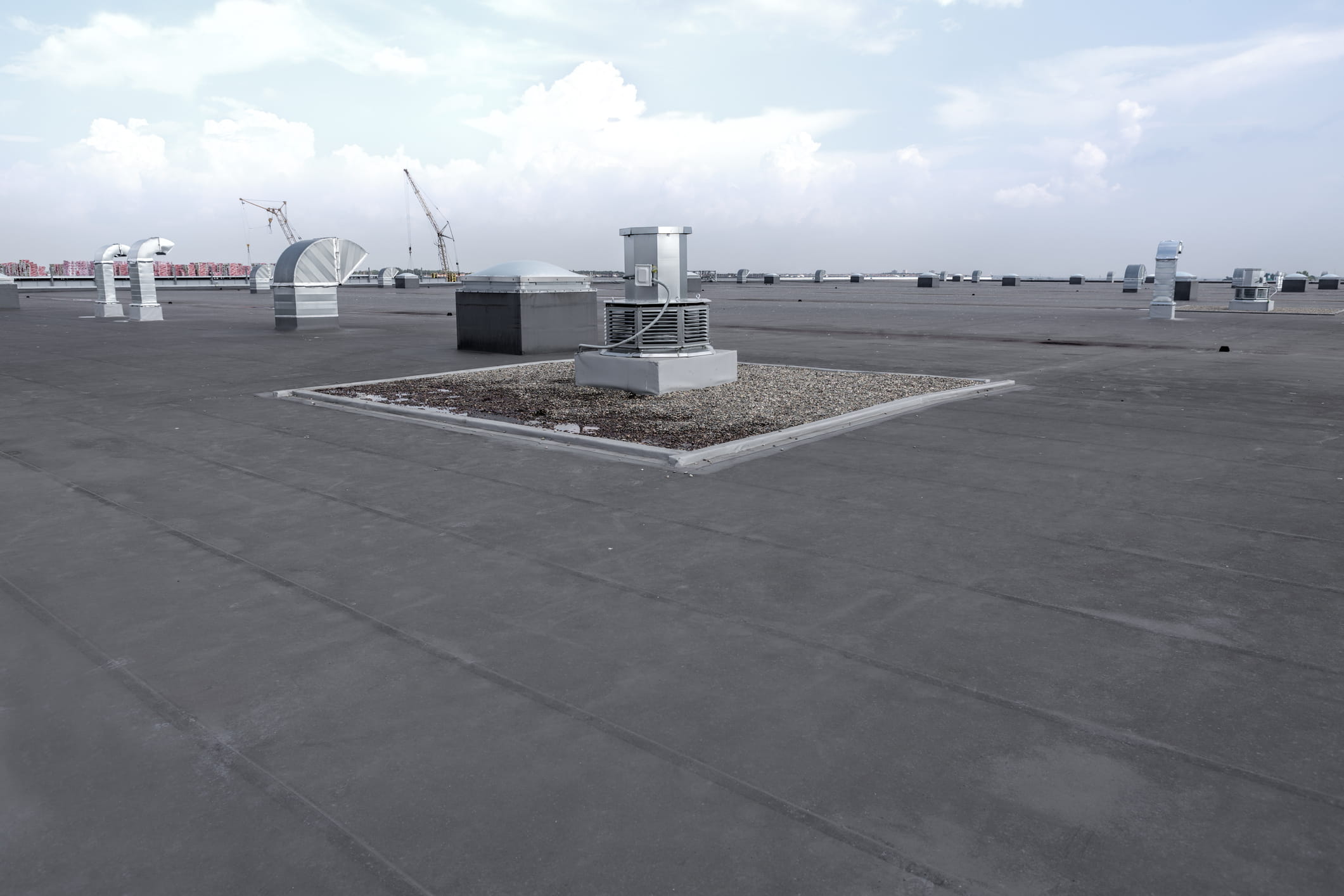
Built-up roofing, often just called BUR, is made by layering multiple sheets of roofing felt or fabric with hot asphalt in between each one. Think of it like a stack of pancakes, except each layer is bonded together with waterproof asphalt instead of syrup.
Most systems use anywhere from two to four layers, depending on the building’s needs and budget. The top is usually finished with a layer of gravel or a reflective coating for added protection. That layered structure is exactly where the name “built-up” comes from.
This isn’t some new experimental system either. BUR has been around since the 1800s, which means it’s had plenty of time to get refined and proven in the field. Its long track record is part of why so many property owners still trust it today. Unlike newer single-ply membranes, BUR relies on redundancy, meaning if one layer gets compromised, several others are still standing guard.
Layers of Protection Add Serious Durability
The multi-layer design is a genuine performance advantage. Each layer of felt and asphalt adds another barrier against water, wind, and general wear. If a small puncture happens on the surface, it doesn’t automatically mean a leak, since the layers underneath are still doing their job. This redundancy makes BUR one of the more forgiving roofing systems when it comes to minor surface damage. For buildings with heavy foot traffic or rooftop equipment, that extra toughness really pays off.
The gravel or coating on top adds even more benefits beyond just looks. It shields the asphalt layers from direct UV exposure, which slows down deterioration significantly. It also adds fire resistance, which matters for certain commercial and industrial applications. Weight is one tradeoff worth mentioning, since BUR is heavier than membrane systems like TPO or EPDM. That means it’s important to confirm the building’s structure can support it before installation begins.
Where Built-up Roofing Performs Best
BUR shines brightest on flat or low-slope commercial roofs, which is exactly where most warehouses, retail centers, and industrial buildings need coverage. Its flat compatibility makes it a natural fit for large, open roof spans that don’t have much pitch to work with. It also handles foot traffic well, which is a big deal for roofs that need regular equipment access or maintenance visits. Buildings with rooftop HVAC units or solar panels often benefit from BUR’s rugged surface. It’s built to take a beating and keep performing.
Climate is another area where BUR holds its own. It handles temperature swings reasonably well, though extreme heat can soften the asphalt layers over time if the roof isn’t properly maintained. In a place like Atlanta, where summers get intense, that’s worth factoring into maintenance planning. Cold weather can make the surface more brittle, so regions with big seasonal swings should keep an eye on wear patterns.
Maintenance Keeps This System Going Strong
Like any roofing system, BUR isn’t a “set it and forget it” solution. Regular inspections help catch small issues, like cracked gravel spots or minor blistering, before they turn into real problems. Because the system relies on multiple layers, catching damage early is what keeps that redundancy working in your favor. A few maintenance habits go a long way toward extending a BUR roof’s lifespan:
- Scheduling inspections at least once or twice a year,
- Clearing debris and standing water regularly,
- Addressing small blisters or cracks before they spread,
- Reapplying protective coatings when reflectivity starts to fade,
- Bringing in a professional after major storms.
With consistent care, a well-installed BUR system can last 20 to 30 years, sometimes longer.
How BUR Compares to Newer Roofing Options
It’s fair to wonder how BUR stacks up against modern systems like TPO, EPDM, or metal roofing. TPO and EPDM are lighter, quicker to install, and often more affordable upfront. Metal roofing wins on sheer lifespan and low maintenance. But BUR still holds a strong place for buildings that value that redundant, multi-layer protection and proven long-term performance. It’s a bit like comparing a classic pickup truck to a newer model – both get the job done, just with different strengths.
Cost is usually where the comparison gets interesting. BUR installation can be more labor-intensive than single-ply systems, which sometimes means a higher upfront price. However, its durability and puncture resistance can offset that cost over the roof’s lifetime through fewer emergency repairs. The right choice really depends on your building’s use, budget, and how long you plan to own the property. A knowledgeable roofing contractor can walk through these trade-offs based on your specific situation.
Getting BUR Installed the Right Way Matters Most
No roofing system performs well if it’s installed poorly, and BUR is no exception. The hot asphalt application process requires skill and experience to get those layers bonded correctly without weak spots. An inexperienced crew can leave gaps or uneven layers that undermine the whole point of the built-up design. That’s why choosing an experienced commercial roofer is essential for getting the full lifespan out of this system.
Regular roof repairs from a trusted team also keep small issues from snowballing into major ones. Since BUR roofs are often found on older commercial buildings, working with a contractor who understands the system’s quirks makes a real difference. They’ll know what normal wear looks like versus what needs immediate attention.
Ready to Explore Your Built-up Roofing Options
Built-up roofing has stuck around for a reason, and it might be exactly what your building needs. Advanced Roofing & Paving installs and maintains BUR systems alongside TPO, EPDM, metal roofing, and roof coatings across Atlanta, so you get honest guidance on what actually fits your property. We also handle asphalt paving, asphalt sealcoating, asphalt repairs, parking lot repairs, and parking lot sealcoating, covering your property from top to bottom. Reach out today for a free inspection, and let’s find the right roofing fit for your building.