Learning what is the best commercial roofing system is a critical knowledge for property owners and facility managers in Atlanta. A commercial roof does more than protect the building from rain and storms—it impacts energy efficiency, maintenance costs, and long-term durability. Unlike residential roofs, commercial systems often cover large surfaces, support rooftop equipment, and face harsher conditions such as heat, humidity, and heavy rain. The “best” system depends on the specific needs of your property, including roof type, climate, maintenance resources, and budget. Understanding the most common commercial roofing systems and their benefits can help you make an informed choice that balances performance, longevity, and cost.
Popular Commercial Roofing Systems
TPO (Thermoplastic Polyolefin) is one of the most widely used commercial roofing materials, especially for flat or low-slope buildings. TPO is a single-ply membrane that combines durability, energy efficiency, and flexibility. Its reflective surface reduces heat absorption, lowering cooling costs during Atlanta’s hot summers. The material is resistant to UV radiation, chemicals, and punctures, and it expands and contracts with temperature changes without cracking. Properly installed TPO roofs can last 15–30 years and require minimal maintenance, making them ideal for office buildings, warehouses, and retail spaces.
EPDM (Ethylene Propylene Diene Monomer) is another popular low-slope roofing solution. This synthetic rubber membrane is known for flexibility and long-term waterproofing. EPDM can withstand extreme weather, including high heat and heavy rainfall, and its seams are easy to repair if damage occurs. It is often chosen for cost-conscious projects where durability and maintenance efficiency are priorities.
Metal roofing is recognized for longevity and strength. Standing seam steel or aluminum panels can last 40–70 years and provide excellent protection against wind, hail, and impact. Metal roofs also reflect heat, improving energy efficiency in commercial buildings with large roof surfaces. While installation costs are higher than other options, metal roofs require minimal maintenance and can be a long-term investment for warehouses, industrial facilities, and large retail centers.
Modified bitumen and built-up roofing (BUR) systems are asphalt-based options suitable for flat or low-slope commercial roofs. These layered systems provide strong waterproofing and UV resistance and can accommodate foot traffic and rooftop equipment. They are particularly effective when combined with reflective coatings to improve energy efficiency and extend the roof’s service life.
Roof coatings, particularly silicone-based systems, are increasingly used to restore and protect existing commercial roofs. Coatings create a seamless protective layer over the roof membrane, preventing leaks, reflecting UV rays, and extending roof lifespan without requiring a full replacement. This approach is cost-effective for buildings that need restoration or enhanced energy performance.
Factors to Consider When Choosing a System
The “best” commercial roofing system depends on several key factors:
- Roof Type and Slope: Flat or low-slope roofs generally perform best with TPO, EPDM, or modified bitumen, while metal roofing works well for slightly pitched or high-traffic roofs.
- Climate Exposure: In Atlanta, roofs must withstand heat, humidity, heavy rainfall, and occasional storms. Systems that offer reflective surfaces, UV resistance, and waterproofing are essential.
- Maintenance Needs: Some roofing systems, like TPO or metal, require minimal upkeep, whereas asphalt-based or coating-dependent roofs may need regular inspections and surface treatments.
- Energy Efficiency Goals: Reflective TPO membranes, coated BUR systems, and metal roofs help reduce heat absorption, lower HVAC loads, and improve occupant comfort.
- Budget and Longevity: While upfront costs vary, investing in durable, energy-efficient materials often reduces maintenance expenses and replacement costs over time.
Advantages of Professional Installation
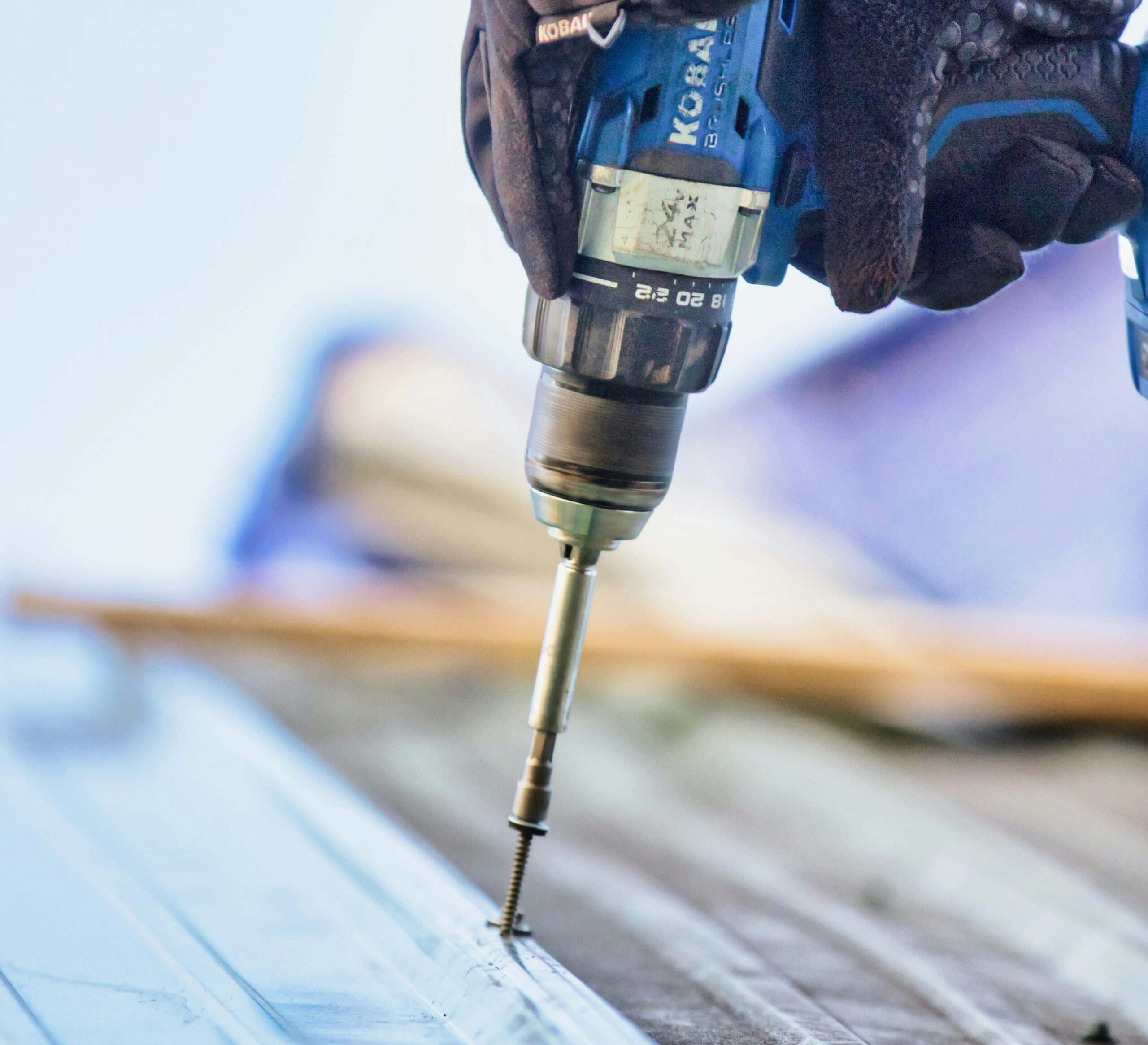
Even the highest-quality roofing materials can underperform if installed incorrectly. Hiring an experienced commercial roofing contractor ensures that:
- Membranes are properly attached and seams are sealed to prevent leaks
- Flashing, drains, and roof penetrations are installed correctly
- Roof slope and drainage are designed to avoid ponding water
- Installation complies with building codes and safety regulations
Proper installation not only maximizes durability and energy efficiency but also minimizes maintenance issues, helping your roof perform optimally for decades.
Maintenance and Longevity
Commercial roofing systems last longer when combined with regular maintenance. Routine inspections help identify minor issues before they become major problems. Common maintenance tasks include cleaning debris, checking seams and flashing, inspecting drainage systems, and applying roof coatings when needed. Atlanta’s climate, with its combination of heat, humidity, and storms, makes proactive maintenance especially important to prevent leaks, mold growth, or structural damage.
Some roofing systems are particularly low-maintenance. Metal and TPO roofs require little more than periodic inspections, whereas EPDM, modified bitumen, and coated systems may need more frequent attention to maintain performance and extend lifespan.
Integrating Roofing with Exterior Property Services
Commercial roofing often interacts with other aspects of building maintenance. Advanced Roofing & Paving provides coordinated services to maximize building performance, including:
- Asphalt paving and pavement repair
- Pavement sealcoating
- Roof inspections and preventative maintenance
Coordinating roofing with these exterior services ensures proper drainage, prevents water intrusion, and protects the overall property envelope. A holistic approach can save time, reduce repair costs, and improve long-term building durability.
Determining the best commercial roofing system involves evaluating materials, installation, maintenance, climate exposure, and energy efficiency. TPO, EPDM, metal, modified bitumen, and roof coatings each offer unique advantages depending on your property’s specific needs. The most suitable system will balance durability, cost, and long-term performance while addressing Atlanta’s demanding climate.
Regular inspections, proper installation, and timely maintenance are essential to protect your investment and maximize roof lifespan. By working with an experienced commercial roofing contractor, property owners can ensure their roofs provide reliable protection, improve energy efficiency, and minimize ongoing maintenance costs.
Contact Advanced Roofing & Paving
For businesses in Atlanta, Advanced Roofing & Paving offers professional commercial roofing services tailored to your property. Our team specializes in:
- TPO, EPDM, metal, modified bitumen, and built-up roofing
- Roof coatings and silicone systems for restoration and energy efficiency
- Preventative maintenance programs and inspections
- Asphalt paving, parking lot repairs, and sealcoating
Contact Advanced Roofing & Paving today and let our experts help you choose the best commercial roofing system for your building, ensuring long-term durability, energy efficiency, and peace of mind.