A roof plays a major role in energy efficiency, maintenance costs, building safety, and long-term property value. That’s why it’s important to understand which things to take into account when choosing a commercial roof. With so many materials and systems available, it’s important to look beyond upfront price and evaluate performance and durability. In markets like Atlanta, where roofs face intense heat, heavy rain, humidity, and seasonal storms, the decision becomes even more critical.
Climate and Environmental Conditions
The first and most important factor to consider is local climate. A roofing system must be able to withstand the environmental conditions it will face daily.
In hot climates like Atlanta, commercial roofs are exposed to prolonged UV radiation and high surface temperatures. This can accelerate material aging, cause thermal expansion, and increase cooling demands inside the building. At the same time, frequent rain and storm activity require strong waterproofing and drainage performance.Because of these conditions, materials that offer heat reflection and moisture resistance tend to perform better over time.
Roofing Material Selection
The type of material used has a major impact on durability, cost, and performance. Different systems offer different advantages depending on the building type and usage. Common commercial roofing options include:
- Thermoplastic membranes such as TPO roofing
- Metal roofing systems
- Modified bitumen systems
- Roof coating systems for restoration
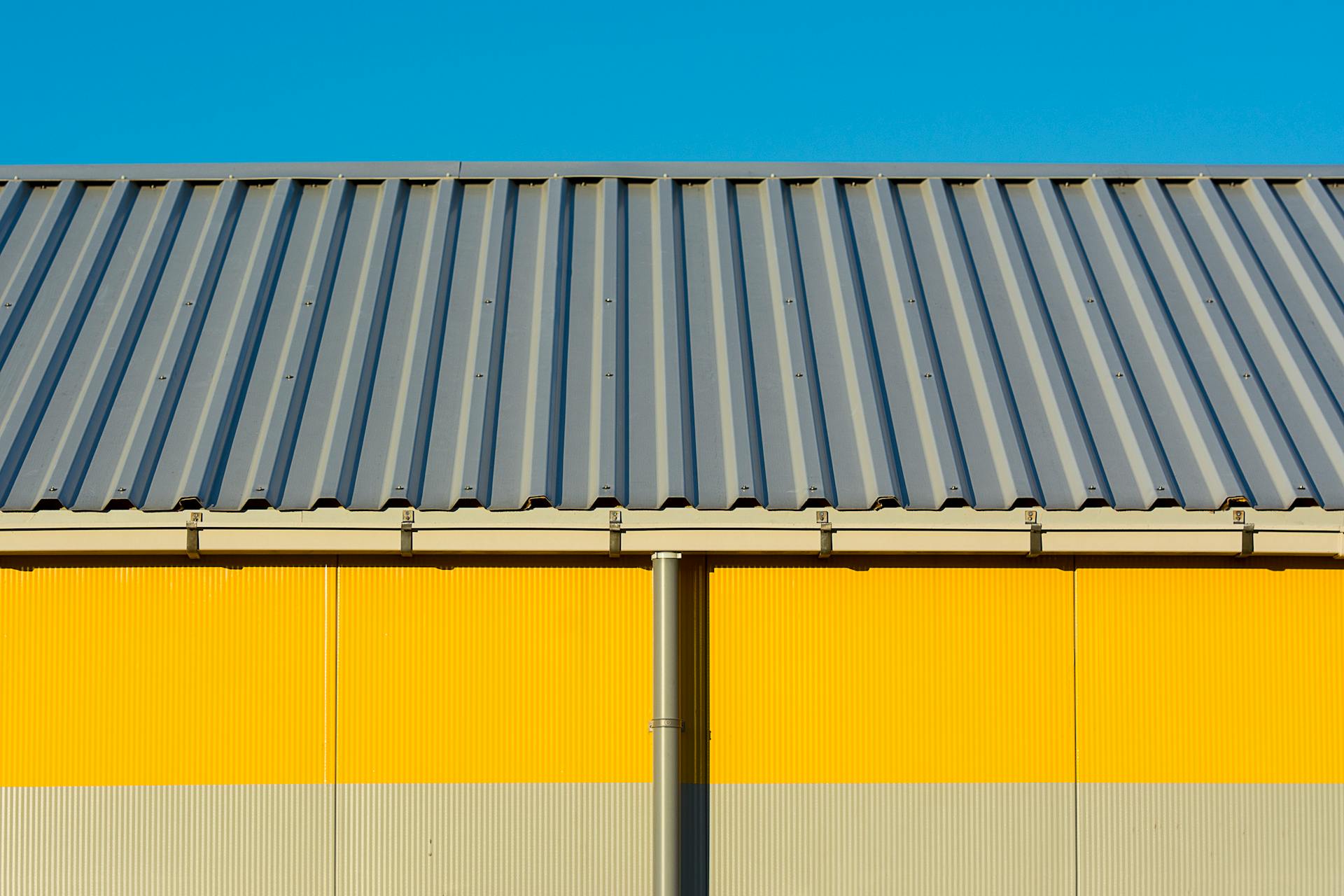
TPO systems are widely used for flat and low-slope commercial roofs due to their energy efficiency and reflective properties. Metal roofing, on the other hand, is known for long lifespan and strong resistance to wind and impact.
Roof coatings are often used to restore existing systems, improving waterproofing and extending service life without full replacement.
Roof Slope and Structural Design
The design of the roof itself plays a major role in determining which materials are suitable. Flat and low-slope roofs require systems that can handle standing water and ensure proper drainage. Steeper roofs may allow for different material options and faster water runoff.
Structural load capacity is also important. Some roofing systems are heavier than others, and the building must be able to support the chosen material safely. This is why a professional evaluation is always necessary before finalizing a system.
Durability and Expected Lifespan
Different roofing systems offer different lifespans, and this should be factored into long-term planning rather than just initial cost. A more durable system may require a higher upfront investment but can significantly reduce long-term expenses related to repairs and replacement. Conversely, lower-cost systems may require more frequent maintenance and earlier replacement. When evaluating durability, consider:
- Resistance to UV exposure
- Ability to handle temperature fluctuations
- Performance under heavy rainfall and storms
- Frequency of required maintenance
A balanced approach considers both upfront cost and lifecycle performance.
Energy Efficiency and Operating Costs
Energy performance is a critical factor in modern commercial roofing decisions. The roof is one of the largest contributors to heat gain in a building, especially in warm climates.
Reflective roofing systems can reduce heat absorption and lower cooling costs. This not only improves indoor comfort but also reduces strain on HVAC systems. Energy-efficient roofing options can provide long-term financial benefits through:
- Lower utility bills
- Reduced HVAC maintenance needs
- Improved temperature regulation inside the building
- Better overall building efficiency ratings
In many cases, energy savings can offset a portion of the initial installation cost over time.
Maintenance Requirements
Every roofing system requires maintenance, but the level of upkeep varies depending on material and design. Some systems require regular inspections, seam checks, and cleaning, while others are more low-maintenance but may be more difficult to repair when issues occur. When choosing a commercial roof, it is important to consider:
- How often maintenance will be needed
- Availability of repair services for the system
- Long-term maintenance costs
- Ease of accessing roof surfaces for inspection
A system that aligns with your maintenance capacity is more likely to perform reliably over time.
Installation Quality and Contractor Expertise
Even the best roofing material will fail if it is not installed correctly. That is why selecting an experienced commercial roofing contractor is just as important as choosing the material itself. Proper installation ensures:
- Correct sealing of seams and joints
- Effective drainage design
- Compliance with building codes
- Long-term system stability
Working with skilled professionals reduces the risk of premature failures and costly repairs. Experience with commercial roofing systems is especially important because these projects often involve larger surfaces and more complex structural requirements.
Waterproofing and Drainage Performance
Water management is one of the most critical aspects of any commercial roofing system. Poor drainage leads to ponding water, which can weaken materials and accelerate deterioration. A well-designed roof should include:
- Proper slope or drainage pathways
- Internal drains or scuppers where applicable
- Seamless waterproofing layers
- Resistance to standing water
In climates with frequent rain, strong waterproofing is essential to prevent leaks and structural damage.
Repair and Replacement Considerations
Before selecting a roofing system, it is important to consider how easily it can be repaired or replaced in the future. Some systems allow for targeted repairs, while others may require larger sections to be replaced if damage occurs.
Understanding long-term repair options helps avoid unexpected costs later and ensures the building remains operational even when issues arise.
Budget and Lifecycle Costs
While upfront cost is always a consideration, it should not be the only factor. A lower-cost roof that requires frequent repairs may become more expensive over time than a higher-quality system with a longer lifespan. A complete budget evaluation should include:
- Installation cost
- Maintenance expenses
- Energy savings
- Expected lifespan
- Replacement planning
This lifecycle approach provides a more accurate picture of total investment value.
Contact Us for Expert Commercial Roofing Guidance
Choosing the right commercial roofing system requires careful planning and professional insight. If you’re evaluating options for a new roof, replacement, or repairs, working with experienced roofing professionals can help ensure you make the right long-term decision for your property.
Advanced Roofing & Paving provides commercial roofing services throughout Atlanta, including inspections, maintenance, repairs, and full roof installations tailored to local climate demands. Our team can help assess your building’s condition and recommend solutions that align with performance, durability, and budget goals. Contact us today to schedule a consultation and get expert guidance on your next commercial roofing project.