When it comes to flat or low-slope roofs, two systems are always compared in the conversation: Built-Up Roofing (BUR) vs. Modified Bitumen. Both are proven options, but they work differently and suit different needs. If you oversee a commercial building in Atlanta, choosing the right system matters more than most people think. Let’s break it all down.
Built-Up Roofing Has Been Around for Over a Century
Built-Up Roofing, commonly called BUR, is one of the oldest flat roofing systems still in wide use today. It’s made by layering multiple plies of roofing felt and bitumen (either hot asphalt or coal tar) on top of each other. Each layer adds strength, and the result is a thick, durable membrane that can handle heavy foot traffic and tough weather. It’s not glamorous, but it gets the job done year after year.
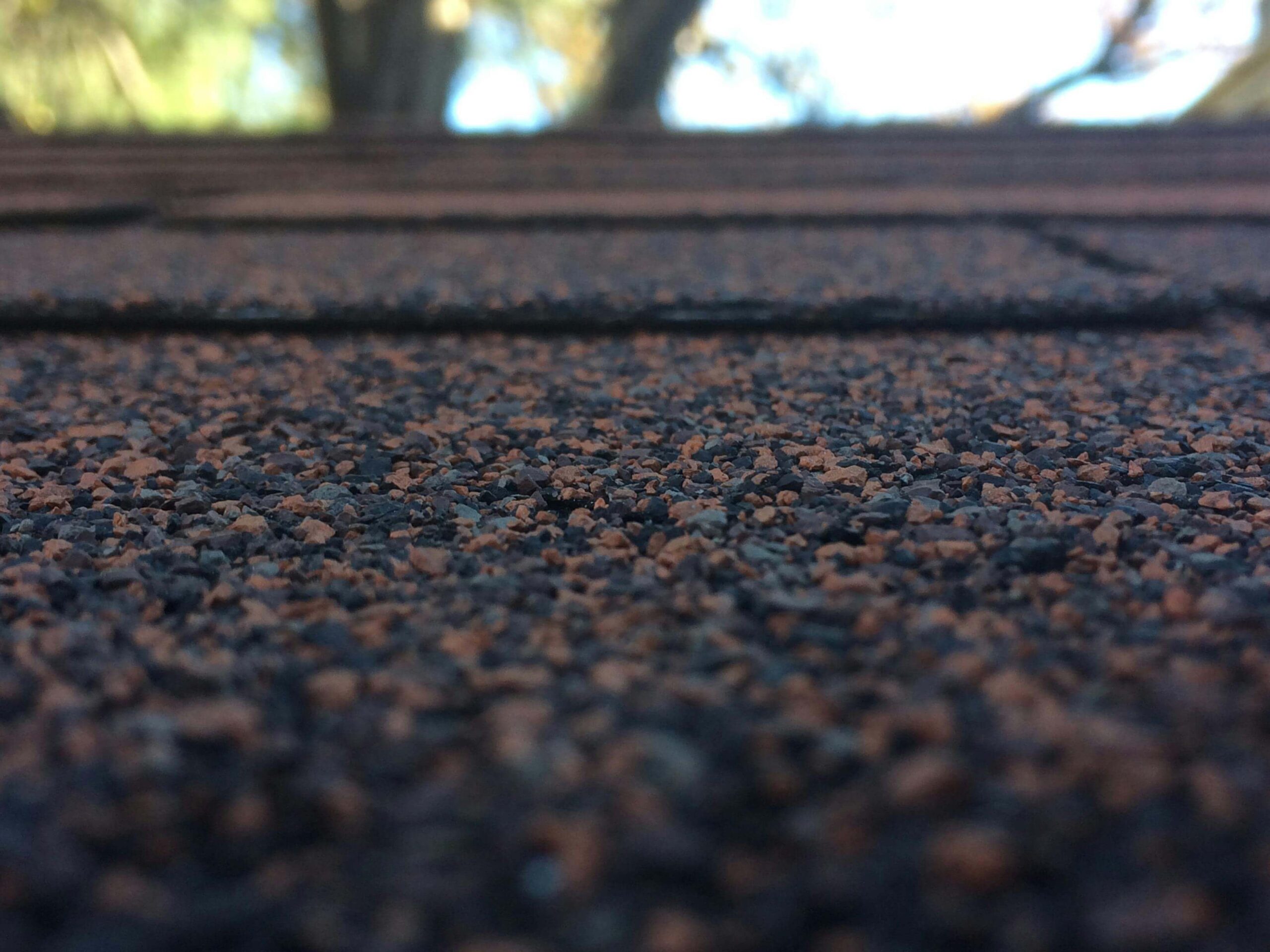
BUR systems are often finished with a gravel or mineral surface that reflects UV rays and protects the membrane underneath. This makes them especially popular on large commercial buildings where longevity is a priority. A properly installed BUR roof can last 20 to 30 years with minimal upkeep. For property owners in Atlanta looking for a time-tested option, BUR remains a solid contender worth considering.
Modified Bitumen Brings Modern Technology to Flat Roofing
Modified Bitumen was developed in the 1960s as an upgraded alternative to traditional BUR. It uses asphalt that’s been chemically modified with polymers, typically APP (atactic polypropylene) or SBS (styrene-butadiene-styrene). These additions make the membrane more flexible, more resistant to temperature swings, and easier to install. It comes in rolls and can be applied using heat (torch-down), cold adhesive, or self-adhesive methods.
One of the biggest advantages of Modified Bitumen is its flexibility, especially in climates that see both heat and cold. Atlanta summers are intense, and roofing materials that can’t expand and contract properly tend to crack over time. Modified Bitumen handles those thermal cycles well. It’s also lightweight compared to BUR, which reduces the structural load on your building. That makes it a popular choice for roofing contractors working on renovations or older structures.
A Commercial Roofing Expert Knows Which System Fits Your Needs
Choosing between BUR and Modified Bitumen is about your building’s specific conditions. A qualified commercial roofing contractor will look at factors like roof slope, existing structure, local climate, and your budget before making a recommendation.
In Atlanta, where summer heat can be relentless, and storms pop up fast, those details really matter. Getting the right system from the start saves you money on repairs and extends your roof’s lifespan significantly. Here’s a quick side-by-side to help you see the key differences:
- Durability: BUR offers multiple redundant layers while Modified Bitumen relies on high-quality polymer-modified membranes.
- Installation: BUR requires a hot asphalt application, while Modified Bitumen can be installed using torch, cold-applied, or self-adhesive methods.
- Flexibility: Modified Bitumen handles temperature changes better, making it ideal for climates with hot summers and cool winters.
- Weight: BUR is heavier, while Modified Bitumen puts less stress on the building structure.
- Cost: BUR tends to have lower material costs, and Modified Bitumen can be more cost-effective on labor depending on the installation method.
Roof Coatings Can Extend the Life of Both Systems
No matter which roofing system you go with, roof coatings can add years to its lifespan. A silicone roof coating, for example, creates a seamless, waterproof barrier that reflects heat and reduces your cooling costs in the summer. It’s applied directly over your existing roof, which means no costly tear-off or disposal fees. For BUR and Modified Bitumen roofs alike, coatings are one of the smartest maintenance investments you can make.
Coatings also make roof repairs easier to spot and address early. When a coating starts to thin or blister in one area, it’s a clear signal that something needs attention before it becomes a major problem. Regular inspections combined with timely recoating cycles can keep a flat roof in great shape for decades. It’s a low-cost strategy with a high return, especially for commercial property owners managing large roof surfaces.
Roof Repairs Should Never Be Put on the Back Burner
Whether you have a BUR or Modified Bitumen roof, small issues tend to grow fast if ignored. A minor leak can quickly become water damage inside your building, leading to mold, structural issues, and costly interior repairs. That’s why regular inspections (ideally twice a year and after major storms) are a must for any commercial property owner. Catching problems early is always cheaper than dealing with the aftermath.
Both BUR and Modified Bitumen are repairable systems, which is a big part of why they’ve stayed popular for so long. Damaged sections can be patched or replaced without tearing off the entire roof. In Atlanta, where storms can bring heavy rain, hail, and high winds, that repairability is a real advantage. A trusted roofing contractor can assess the damage, give you an honest assessment, and get your roof back in shape without breaking the bank.
Advanced Roofing & Paving Is Ready to Help You Decide
At Advanced Roofing & Paving, we’ve been helping commercial property owners across Atlanta navigate exactly these kinds of decisions. Our team knows both systems inside and out, and we’ll give you a straight answer about what makes sense for your building. We handle everything from new installs and roof coatings to roof repairs and ongoing maintenance.
The Right Roof Starts With the Right Partner
Both BUR and Modified Bitumen have their strengths, and the best choice depends on your building, your budget, and your long-term goals. What they both have in common is this: they perform best when installed and maintained by people who know what they’re doing. In Atlanta’s demanding climate, cutting corners on your commercial roof is never worth it.
Ready to find out which system is the right fit for your property? Contact Advanced Roofing & Paving today for a free consultation. Our team of experienced commercial roofing professionals is standing by to assess your roof, answer your questions, and put together a plan that works for you. Don’t wait for a small problem to turn into a big one – reach out now and let’s get started.