
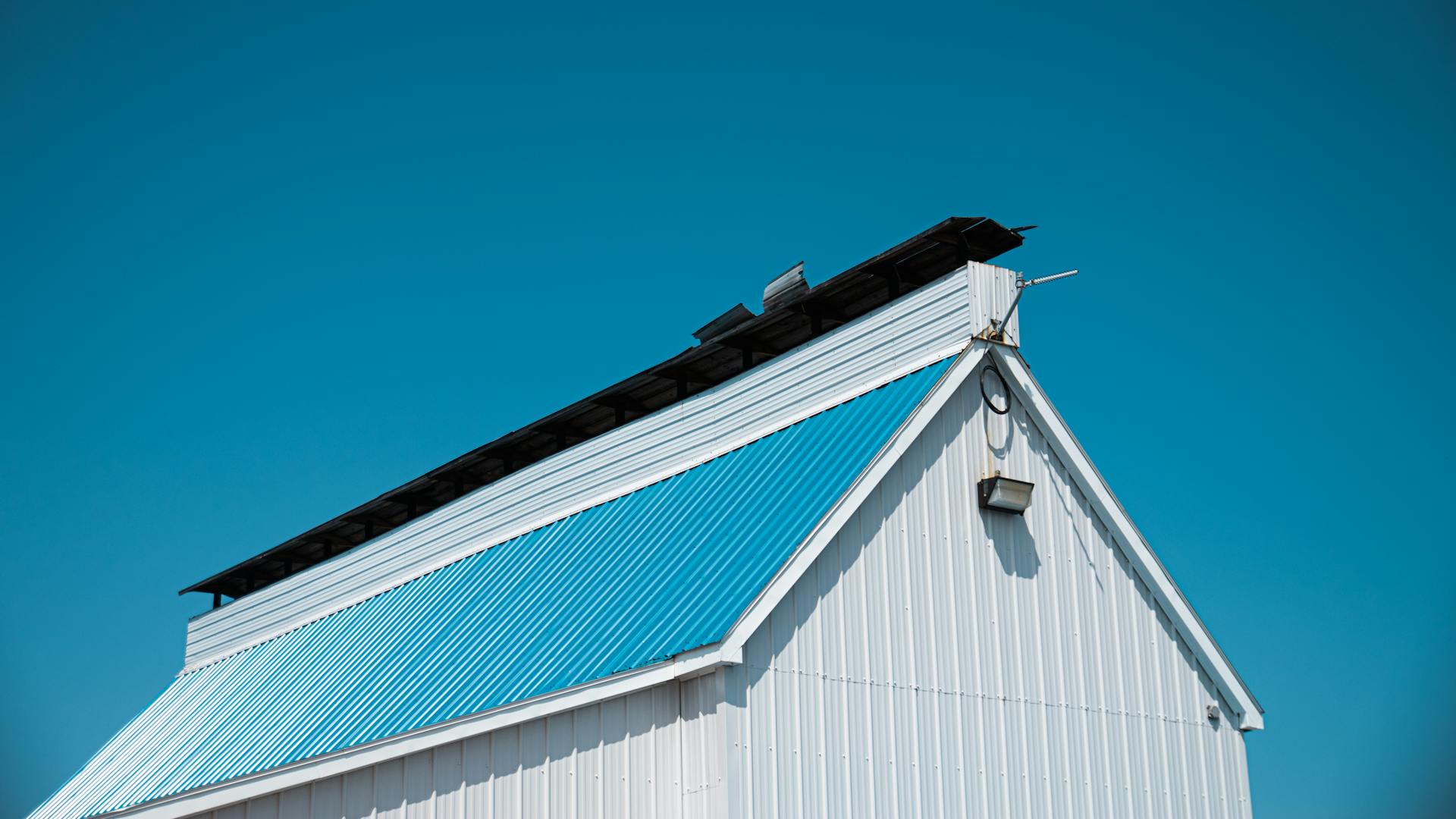
Rising utility costs, stricter building performance standards, and increased demand for sustainable operations have pushed many businesses to rethink how their buildings manage heat. One of the most effective solutions is the installation of a cool roof system. Understanding how cool roofs reduce energy costs for commercial buildings requires looking at how heat interacts with roofing surfaces, how that heat transfers into the building, and how reflective roofing systems can significantly reduce cooling demand throughout the year.
What Makes a Roof “Cool”
A cool roof is designed to reflect more sunlight and absorb less heat compared to traditional roofing systems. Standard dark-colored roofs tend to absorb solar radiation, causing surface temperatures to rise dramatically during the day. That heat then transfers into the building, increasing indoor temperatures and forcing HVAC systems to work harder.
Cool roofing systems, such as reflective membranes or coated surfaces, are engineered to minimize heat absorption. Materials like TPO roofing are commonly used in commercial applications because they naturally reflect sunlight and help regulate roof temperature. Instead of storing heat, a cool roof reflects it back into the atmosphere, keeping the building envelope significantly cooler.
Reducing HVAC Load and Energy Consumption
The most immediate benefit of a cool roof is reduced energy usage. When a traditional roof absorbs heat, that heat migrates downward into the building, increasing indoor temperatures—especially on upper floors and in top-level commercial spaces.
As a result, air conditioning systems must run longer and more frequently to maintain comfortable conditions. This leads to higher electricity consumption and increased operating costs.
Cool roofs reduce this heat transfer, which directly lowers the demand placed on HVAC systems. In many commercial buildings, this translates into noticeable reductions in cooling costs during warm months. Over time, these savings can become substantial, especially for large facilities with extensive roof surface areas.
Improving Indoor Comfort for Occupants
Energy savings are not the only advantage. Cool roofs also improve indoor comfort by stabilizing internal temperatures. When roof surfaces remain cooler, heat buildup inside the building is reduced, leading to fewer temperature fluctuations throughout the day.
This is particularly important for commercial spaces such as offices, warehouses, and retail environments where consistent temperature control is essential for productivity and customer experience. Reduced heat stress also benefits equipment and inventory stored in temperature-sensitive areas.
Extending Roof Lifespan Through Heat Reduction
Excessive heat does more than increase energy costs—it also accelerates roof deterioration. When roofing materials are exposed to high temperatures for extended periods, they expand and contract repeatedly. This thermal movement can lead to cracks, seam separation, and premature aging.
Cool roofs help mitigate this damage by maintaining lower surface temperatures. By reducing thermal stress, the roofing system experiences less wear over time, which can extend its overall lifespan. This is especially beneficial for flat and low-slope commercial roofs, where heat retention tends to be more severe due to limited airflow.
Reflective Roofing Systems and Materials
Several types of materials are used in cool roofing applications, each offering different levels of reflectivity and durability. One of the most common options in commercial roofing is TPO roofing, which is naturally reflective and designed for energy efficiency.
Other solutions include reflective coatings that can be applied over existing roofing systems. These coatings enhance solar reflectivity and are often used as part of roof restoration strategies. When properly installed, they can significantly improve energy performance without requiring a full roof replacement. For aging buildings, these systems offer a cost-effective way to improve efficiency while extending roof life.
The Role of Roof Color and Surface Reflectivity
Color plays a major role in how much heat a roof absorbs. Dark surfaces tend to absorb more solar radiation, while light-colored or reflective surfaces bounce sunlight away. This difference in reflectivity directly affects roof temperature. A cooler surface means less heat transfer into the building, which reduces reliance on mechanical cooling systems.
In commercial applications, even small improvements in reflectivity can lead to measurable energy savings, especially during peak summer months when cooling demand is highest.
Cool Roofs and Long-Term Cost Savings
While cool roofs may require an initial investment, the long-term financial benefits often outweigh the upfront costs. Reduced energy consumption leads to lower utility bills, while decreased roof stress reduces maintenance and repair needs.
Over time, these savings accumulate, making cool roofing systems a financially strategic decision for commercial property owners. In addition, buildings with energy-efficient roofing may qualify for incentives or improved sustainability ratings, depending on local programs and regulations.
Environmental Benefits of Cool Roofing
Beyond cost savings, cool roofs also contribute to environmental sustainability. By reducing energy consumption, they indirectly lower greenhouse gas emissions associated with electricity production.
Cool roofs also help reduce the urban heat island effect, where cities become significantly warmer than surrounding rural areas due to heat-absorbing surfaces. By reflecting more sunlight, commercial buildings can contribute to a cooler urban environment overall. This makes cool roofing an attractive option for businesses focused on sustainability goals and environmental responsibility.
When Cool Roof Upgrades Make Sense
Not every building requires a full roof replacement to achieve cooler performance. Many commercial properties can benefit from upgrades such as reflective coatings or partial system improvements. Cool roof upgrades are especially beneficial when:
- The existing roof is structurally sound but aging
- Energy bills have increased due to cooling demand
- The building experiences excessive heat gain
- A roof replacement is not yet budgeted
In these cases, improving reflectivity can provide meaningful energy savings without major disruption.
Importance of Professional Installation
The effectiveness of a cool roof depends heavily on proper installation. Even high-quality materials will underperform if they are not correctly applied or integrated with the existing system.
Experienced commercial roofing professionals evaluate factors such as insulation, drainage, roof slope, and material compatibility before recommending a solution. This ensures the system performs as intended and delivers maximum energy efficiency.
Lower Your Cooling Costs With Expert Roofing Guidance
Cool roofs are one of the most effective ways to reduce energy costs in commercial buildings. By reflecting sunlight, reducing heat absorption, and minimizing HVAC load, they create a more efficient and comfortable indoor environment while extending roof lifespan.
Contact Advanced Roofing & Paving if you are among property owners seeking long-term savings and improved building performance. Whether through reflective membranes like TPO roofing or advanced coating systems, cool roofs offer a proven path to lower energy expenses and better overall efficiency.