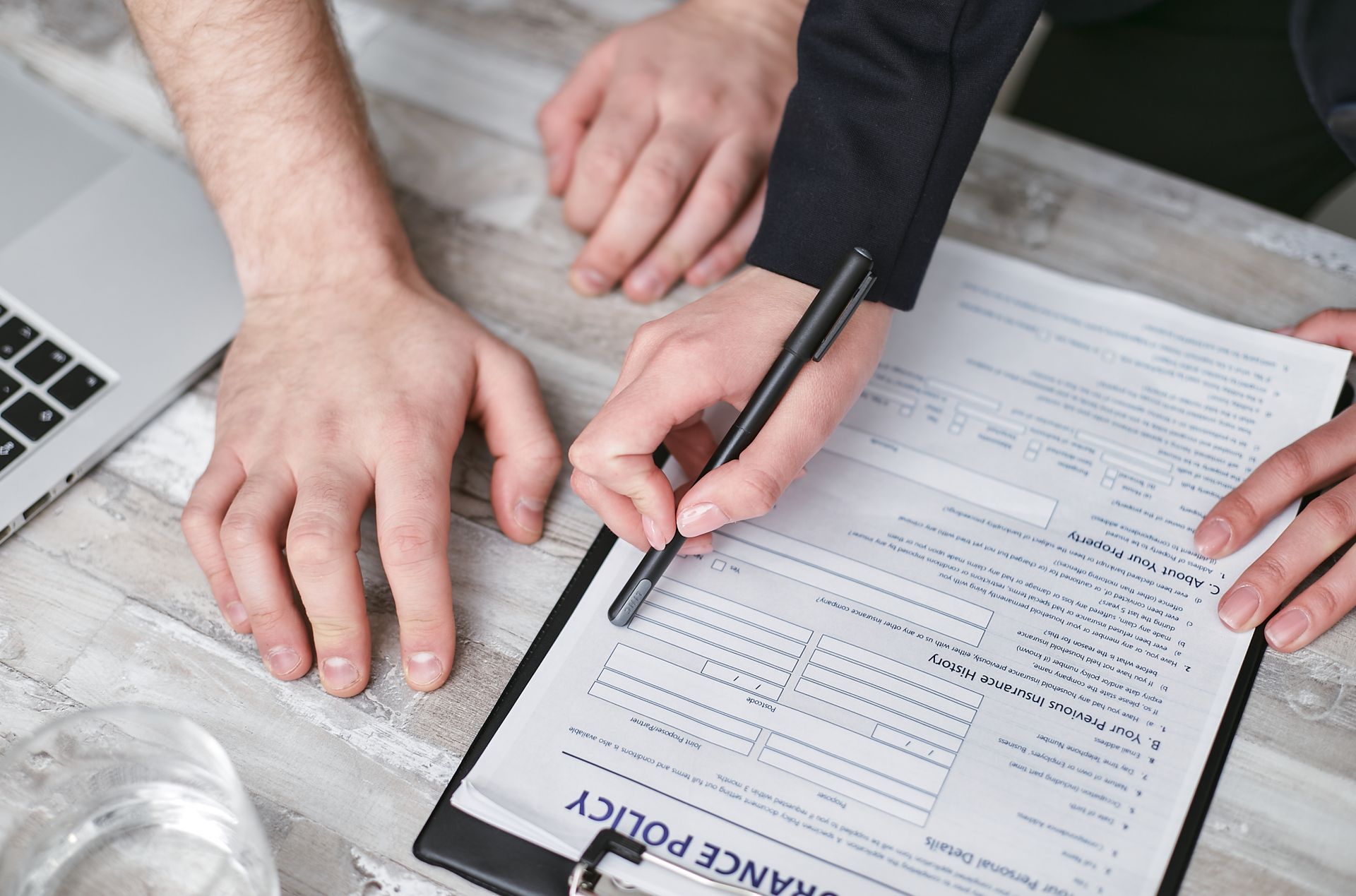
A damaged commercial roof can disrupt operations, threaten inventory, and put tenants or employees at risk. When storm damage, wind uplift, hail, or other covered events strike, filing an insurance claim is often the fastest path to getting repairs funded. But commercial roofing insurance claims are notoriously complex, and property owners who don’t understand the process can end up with denied claims, lowball settlements, or long delays. Here’s what you need to know to navigate a commercial roof insurance claim successfully.
Common Causes of Commercial Roof Damage
Insurance claims for commercial roofs typically stem from a handful of recurring causes. Windstorms can lift membranes, tear flashing, and send debris crashing into the roof surface. Hailstorms bruise and puncture single-ply membranes and dent metal roofing, sometimes without any visible sign from ground level.
Heavy snow and ice loads can stress structural roof decking, while prolonged rain can expose weaknesses in seams, flashing, or drainage systems that lead to leaks and interior damage. Fire, fallen trees, and vandalism round out the list of frequent triggers for a claim.
Because commercial roofs are large, complex systems, damage isn’t always obvious. A roof can look fine from the parking lot while hidden punctures, granule loss, or membrane fatigue are quietly allowing water to seep in.
Steps to Take After Roof Damage
How you respond in the hours and days after discovering roof damage can significantly affect the outcome of your claim. Taking the right steps early not only protects your property from further harm but also builds the documentation and evidence insurers rely on when evaluating what happened.
1. Document Everything Immediately
As soon as you notice damage or suspect it after a storm, take photos and video of the roof, interior water stains, and any visible debris. Note the date and any weather event that may have caused it. This documentation becomes critical evidence for your claim.
2. Prevent Further Damage
Most policies require property owners to take reasonable steps to prevent additional damage after an incident, such as tarping exposed areas or addressing active leaks. Failing to do so can give an insurer grounds to reduce or deny a claim.
3. Get a Professional Roof Inspection
Before contacting your insurer, it’s wise to have a qualified commercial roofing contractor inspect the roof. A professional inspection identifies the full scope of damage, including issues that aren’t visible to the untrained eye, and produces a detailed report that strengthens your claim.
4. Review Your Policy
Commercial roofing policies vary significantly. Some offer replacement cost value (RCV), which pays to replace the roof at current market cost, while others offer actual cash value (ACV), which factors in depreciation and typically results in a lower payout. Understanding which type of coverage you have and what perils are covered sets realistic expectations before you file.
5. File the Claim Promptly
Most policies have strict deadlines for reporting damage. Delaying a claim can raise questions about the cause of damage or whether it worsened due to inaction, both of which insurers may use to dispute the claim.
What to Expect During the Claims Process
Once a claim is filed, the insurance company will typically send an adjuster to inspect the roof and assess the extent and cause of the damage. This is a critical stage, because the adjuster’s report heavily influences the payout amount. Insurance adjusters work for the insurance company, not the property owner, which means their assessment may not always capture the full scope of necessary repairs.
This is where having your own roofing contractor present, or at least having their independent inspection report in hand, makes a meaningful difference. A contractor familiar with commercial roofing systems can identify damage the adjuster may overlook, point out code-required upgrades that must be included in the scope of work, and advocate for accurate material and labor pricing.
After the inspection, the insurer will issue a settlement offer. If the offer seems too low or excludes necessary repairs, property owners have the right to negotiate, request a re-inspection, or bring in a public adjuster to represent their interests independently.
Common Reasons Commercial Roof Claims Get Denied or Reduced
Insurers scrutinize commercial roof claims closely, and several issues commonly lead to denials or reduced payouts. Pre-existing wear and tear is one of the most frequent culprits. If an insurer determines that damage resulted from age, lack of maintenance, or a pre-existing condition rather than a covered event, the claim may be denied outright. Missing or incomplete documentation, such as no proof of the roof’s condition before the damage occurred, can also weaken a claim. Late reporting, gaps in routine maintenance records, and disputes over the actual cause of damage (for example, whether a leak was caused by a storm or gradual deterioration) are other common sticking points.
Maintaining a consistent maintenance and inspection history is one of the best ways to protect your position. Insurers are far more likely to approve a claim when a property owner can show the roof was well-maintained leading up to the loss event.
Why Professional Guidance Matters
Commercial roofing insurance claims involve technical roofing knowledge, insurance policy language, and negotiation – three areas most property owners aren’t equipped to navigate alone. Partnering with an experienced commercial roofing contractor from the start ensures damage is properly documented, the full scope of repairs is identified, and your claim reflects the true cost of restoring your roof.
Let Advanced Roofing & Paving Help With Your Claim
Navigating a commercial roof insurance claim doesn’t have to be overwhelming. Advanced Roofing & Paving works with property owners throughout the claims process, from initial damage assessment and documentation to coordinating with adjusters and completing repairs once your claim is approved. Our team knows what insurers look for and how to build a claim that accurately reflects your roof’s condition and repair needs.
Think your commercial roof may have storm or insurance-related damage? Contact Advanced Roofing & Paving today to schedule a professional inspection and get expert support through every step of your claim.