Metal roofing has become one of the most popular choices for both commercial and residential properties, prized for its durability, energy efficiency, and long service life. But not all metal roofing systems are built the same. The two most common panel types, standing seam and exposed fastener metal roofing, differ significantly in installation, appearance, performance, and cost. Understanding these differences is essential to choosing the right system for your property.
What Is Standing Seam Metal Roofing?
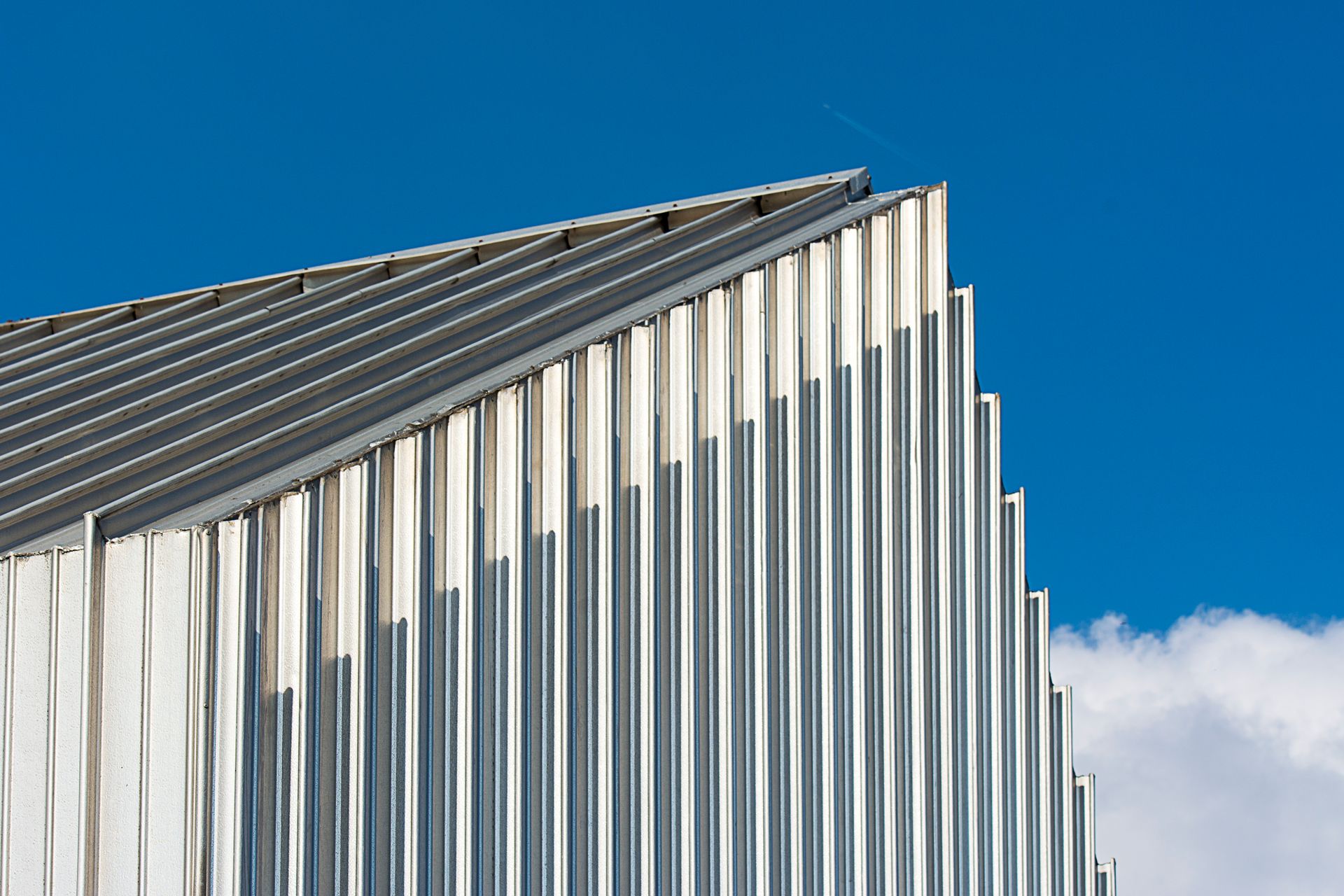
Standing seam metal roofing is a concealed-fastener system made up of vertical metal panels that connect at raised seams. These seams interlock or are mechanically crimped together, creating a continuous, weathertight panel run from the roof’s ridge to its eave. Because the fasteners that secure the panels to the roof deck are hidden beneath the seams, they’re never exposed to the elements.
Standing seam systems are widely used on commercial buildings, high-end residential homes, and structures where long-term performance and a clean, modern appearance are priorities.
What Is Exposed Fastener Metal Roofing?
Exposed fastener metal roofing, sometimes called corrugated or R-panel roofing, is installed with screws that penetrate directly through the face of the metal panel into the roof deck or structure below. Each screw typically has a rubber or neoprene washer designed to create a watertight seal at the point of penetration.
This system is common on agricultural buildings, warehouses, pole barns, and budget-conscious commercial projects where upfront cost is a primary consideration.
Key Differences Between the Two Systems
While both systems are made from the same core metal panel materials, the way they’re installed and detailed creates real differences in how they perform over time. Here’s how the two compare across the factors that matter most to property owners.
Installation and Fasteners
The most fundamental difference between these two roofing types lies in how the panels are attached. Standing seam panels use hidden clips and fasteners beneath the seams, so no screws penetrate the visible surface of the panel. Exposed fastener panels, on the other hand, rely on screws driven directly through the metal, leaving fastener heads visible across the roof surface.
Durability and Lifespan
Standing seam roofs generally outlast exposed fastener systems by a wide margin. Because there are no exposed penetrations, standing seam roofs avoid one of the most common failure points in metal roofing: fastener backout and washer deterioration. With proper installation, standing seam roofs commonly last 40–70 years.
Exposed fastener roofs typically last 20–30 years. Over time, the rubber washers under each screw degrade from UV exposure and temperature cycling, and the screws themselves can loosen or back out as the metal expands and contracts. Once washers fail, water intrusion becomes a real risk, and most exposed fastener roofs require re-screwing or washer replacement at some point during their service life.
Thermal Movement
Metal panels expand and contract with temperature changes, and how a roofing system accommodates that movement matters a great deal. Standing seam systems use floating clips that allow panels to expand and contract independently without stressing the fasteners. Exposed fastener systems don’t have this flexibility, because the screws are fixed directly through the panel, repeated thermal cycling gradually enlarges the screw holes, which is a leading cause of long-term leaks.
Maintenance Requirements
Exposed fastener roofs require more ongoing maintenance. Because there are potentially hundreds or thousands of exposed screws across a roof, each one is a potential leak point, and washers typically need inspection and occasional replacement every 10–15 years. Standing seam roofs require comparatively little maintenance since there are no exposed penetrations to monitor or maintain.
Overall Appearance
Standing seam roofing offers a sleek, streamlined appearance with clean vertical lines, making it a popular choice for architecturally prominent buildings. Exposed fastener panels have a more utilitarian, ribbed appearance, with visible screw lines running across each panel.
Cost of Installation
Exposed fastener roofing is significantly less expensive than standing seam, both in material and labor costs. This makes it an attractive option for large agricultural or industrial buildings where budget is a primary driver. Standing seam roofing costs more upfront, but the investment often pays off through a longer lifespan, lower maintenance costs, and reduced risk of leaks over time.
Which System Is Right for Your Property?
The right choice depends on your building type, budget, and long-term goals.
- Choose standing seam if: You want maximum longevity, minimal maintenance, superior leak resistance, and a polished appearance. It’s well-suited for commercial buildings, homes, and any structure where long-term value matters more than upfront cost.
- Choose exposed fastener if: Budget is the primary concern and the building is a lower-maintenance-priority structure, such as a barn, storage facility, or agricultural building where a shorter lifespan and periodic maintenance are acceptable trade-offs.
It’s also worth noting that some properties use exposed fastener panels as an economical short- to mid-term solution with the understanding that maintenance, including washer replacement, will be part of ongoing upkeep.
Get Expert Guidance on Your Metal Roofing Project
Choosing between standing seam and exposed fastener metal roofing is a decision that affects your building’s performance, appearance, and maintenance costs for decades to come. The right system depends on factors specific to your property, including roof slope, climate exposure, budget, and how long you plan to own or operate the building.
Advanced Roofing & Paving has extensive experience installing both standing seam and exposed fastener metal roofing systems for commercial and residential properties. Our team can assess your building’s needs and help you choose a metal roofing system that delivers the right balance of performance and value.
Considering a metal roof for your property? Contact Advanced Roofing & Paving today for a professional consultation and personalized recommendation.