
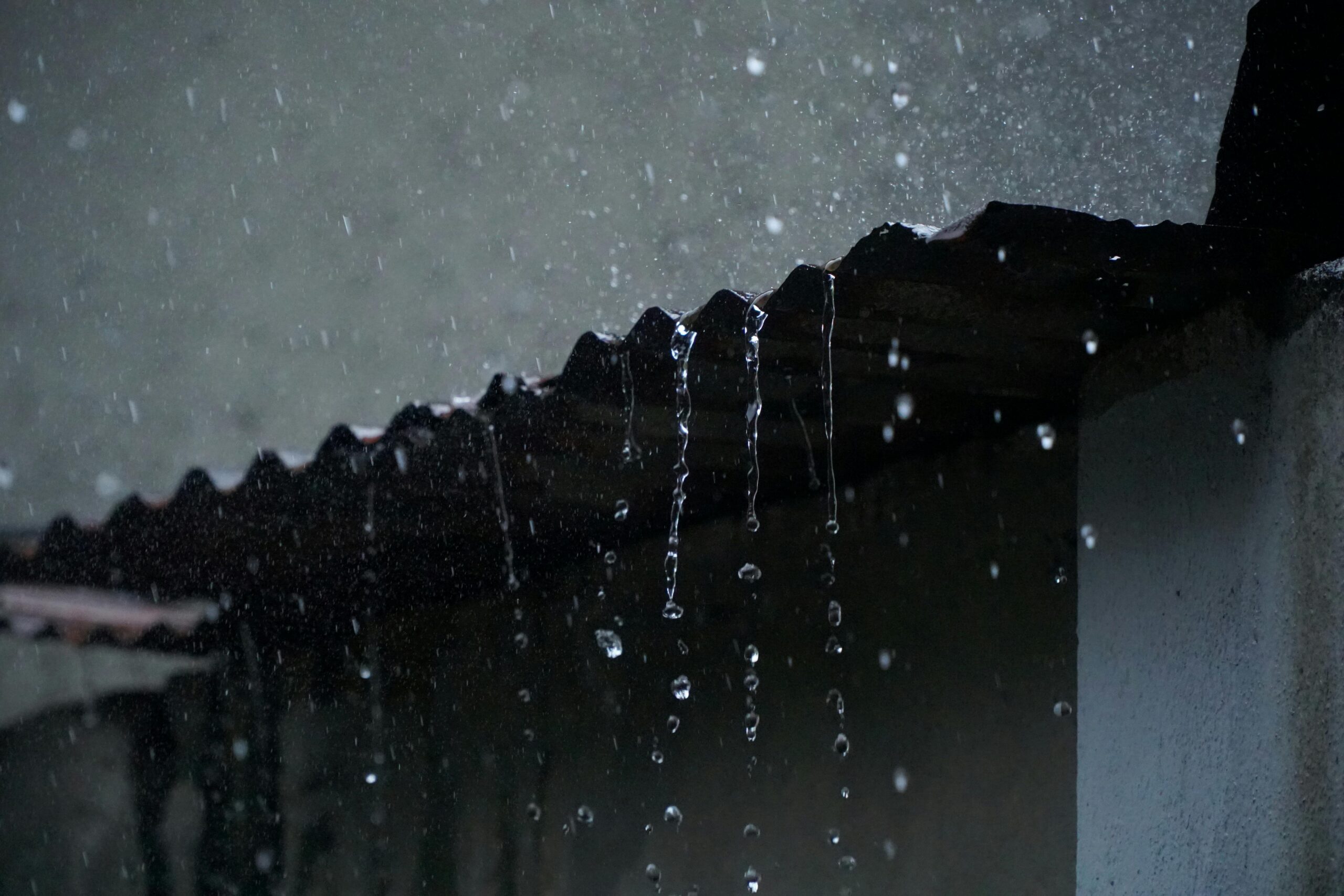
A leaking roof is every property owner’s worst nightmare. One day everything looks fine, and the next you’ve got water stains on the ceiling and a repair bill that makes your stomach drop. However, there are some common causes of commercial roof leaks, as most of these issues don’t come out of nowhere. They give off clear signals, and once you know what to look for, they’re a lot easier to prevent. Let’s break it down.
Poor Installation Is the Root of Many Problems
A commercial roof is only as good as the crew that puts it on. If the roof installation isn’t done right from the start, problems are almost guaranteed to follow. Improper seaming, incorrect fastener placement, and inadequate flashing details are all mistakes that show up as leaks down the road.
This is why choosing the right commercial roofer matters so much. An experienced professional follows manufacturer specs, uses the right materials for the job, and doesn’t cut corners to save time. A poor installation might not leak on day one, but it will eventually, and often in ways that are harder to trace back to the source.
Flashing Failures Are One of the Most Common Culprits
Flashing is the metal or membrane material used to seal transitions, where the roof meets a wall, curb, vent, or drain. It’s a small detail that does a big job. When flashing is improperly installed, damaged, or starts to pull away from the surface, water has a direct path inside.
On most commercial roofing systems, flashing issues are among the top causes of leaks. The problem is that flashing damage isn’t always visible from the ground. It takes a trained eye and a hands-on inspection to catch it before water finds its way in. Checking flashings regularly is one of the simplest and most effective things you can do to protect your building.
Commercial Roof Leaks Often Start at the Seams
Seams are where sections of roofing material meet and bond together. On a flat or low-slope commercial roof, there are a lot of them, and every seam is a potential entry point for water. Over time, seams can separate, shrink, or lose their bond due to temperature changes, UV exposure, and general wear.
This is especially true for membrane roofing systems. A qualified TPO installer knows that seam quality is everything. TPO seams are heat-welded, and when done correctly, they’re incredibly strong. But if the weld is weak or inconsistent, the seam will eventually open up, and water will follow.
Drainage Problems Lead to Standing Water
Flat roofs don’t shed water the way sloped roofs do. They rely entirely on drains, scuppers, and gutters to move water off the surface. When those systems get clogged with debris like leaves, dirt, or even rooftop equipment that shifts over time, water has nowhere to go.
Standing water is one of the most damaging things a commercial roof can face. It adds weight, accelerates material breakdown, and puts constant pressure on seams and membranes. Even a few inches of pooling water can work its way through small vulnerabilities and into the building. Keeping drainage systems clear is a basic but critical part of roof maintenance.
Rooftop Equipment Creates Vulnerable Penetration Points
Most commercial buildings have something on the roof like HVAC units, exhaust fans, skylights, antennas, or conduit. Every one of those installations requires a penetration through the roofing membrane. And every penetration is a spot where water can get in if it isn’t properly sealed.
The seals around rooftop equipment degrade over time. Gaskets dry out, caulk cracks, and boots split. When maintenance crews service equipment, they can also accidentally damage the surrounding membrane without realizing it.
Worn or Missing Roof Coatings Leave the Surface Exposed
Roof coatings do more than most people realize. They act as a shield against UV rays, moisture, and temperature extremes, all of which wear down roofing materials over time. When that protective layer wears thin or goes missing entirely, the underlying membrane takes the full force of the elements.
A fresh application of silicone roof coating can make a dramatic difference, particularly on flat commercial roofs that deal with ponding water. Silicone stays flexible, bonds well to most existing surfaces, and doesn’t break down when submerged. If your roof coating is visibly worn or hasn’t been reapplied in several years, that’s a gap in your roof’s defenses worth addressing.
Age and Neglect Are Slow but Serious Threats
Even the best commercial roof has a lifespan. Materials break down, membranes become brittle, and protective layers wear away – that’s just reality. The difference between a roof that reaches the end of its life gracefully and one that starts leaking years too early usually comes down to how well it’s been maintained.
Skipping inspections and putting off roof repairs are the fastest ways to shorten a roof’s lifespan. Small issues compound. A tiny crack becomes a split. A loose flashing becomes a gaping gap. A clogged drain becomes chronic ponding.
Catching Leaks Early Saves You a Lot of Money
By the time a leak shows up inside your building, it’s already been working its way through your roof system for a while. Water damage spreads fast into insulation, decking, and structural components, and the repair costs grow with every day it goes unaddressed.
The smartest approach is to stay proactive. Scheduled inspections by an experienced commercial roofer, timely roof repairs, and protective coatings applied on a regular cycle all work together to keep leaks from ever getting started. A little investment in prevention goes a very long way.
Let the Experts Keep Your Roof Watertight
Commercial roof leaks are common, but they’re not inevitable. With the right maintenance plan and a team you can trust, your roof can perform reliably for its full expected life, and then some.
Advanced Roofing & Paving serves commercial property owners throughout the Atlanta, GA area with expert leak detection, repairs, coatings, and full roofing services. Don’t wait for a leak to tell you something’s wrong. Contact us today, and let’s get your roof inspected before small problems turn into big ones.