The lifespan of a commercial roof depends on several factors, including the roofing material, installation quality, climate exposure, drainage design, and ongoing maintenance. While there is no universal answer, most commercial roofing systems fall within predictable lifespan ranges when properly installed and maintained. This guide explains how long does a commercial roof last and what determines whether your roof reaches—or exceeds—its expected service life.
Average Lifespan by Commercial Roofing Type
Different commercial roofing systems are engineered for different performance goals. Below are typical lifespan expectations for the most common materials used on commercial buildings.
TPO Roofing Systems (15–30 Years)
TPO (Thermoplastic Polyolefin) is one of the most widely used commercial roofing membranes for flat and low-slope buildings. It is known for:
- Heat-welded seams
- Reflective surface for energy efficiency
- Strong UV resistance
- Flexibility in hot climates
When installed by a qualified contractor and inspected regularly, TPO roofing systems typically last between 15 and 30 years. Longevity depends heavily on seam integrity, membrane thickness, and exposure to standing water.
EPDM Rubber Roofing (20–30 Years)
EPDM is a durable synthetic rubber membrane often used on commercial buildings. Its flexibility makes it resistant to thermal movement and temperature fluctuations.
Properly maintained EPDM roofs commonly last 20–30 years. However, seam adhesives and flashing details must be monitored to prevent premature failure.
Metal Roofing Systems (40–70+ Years)
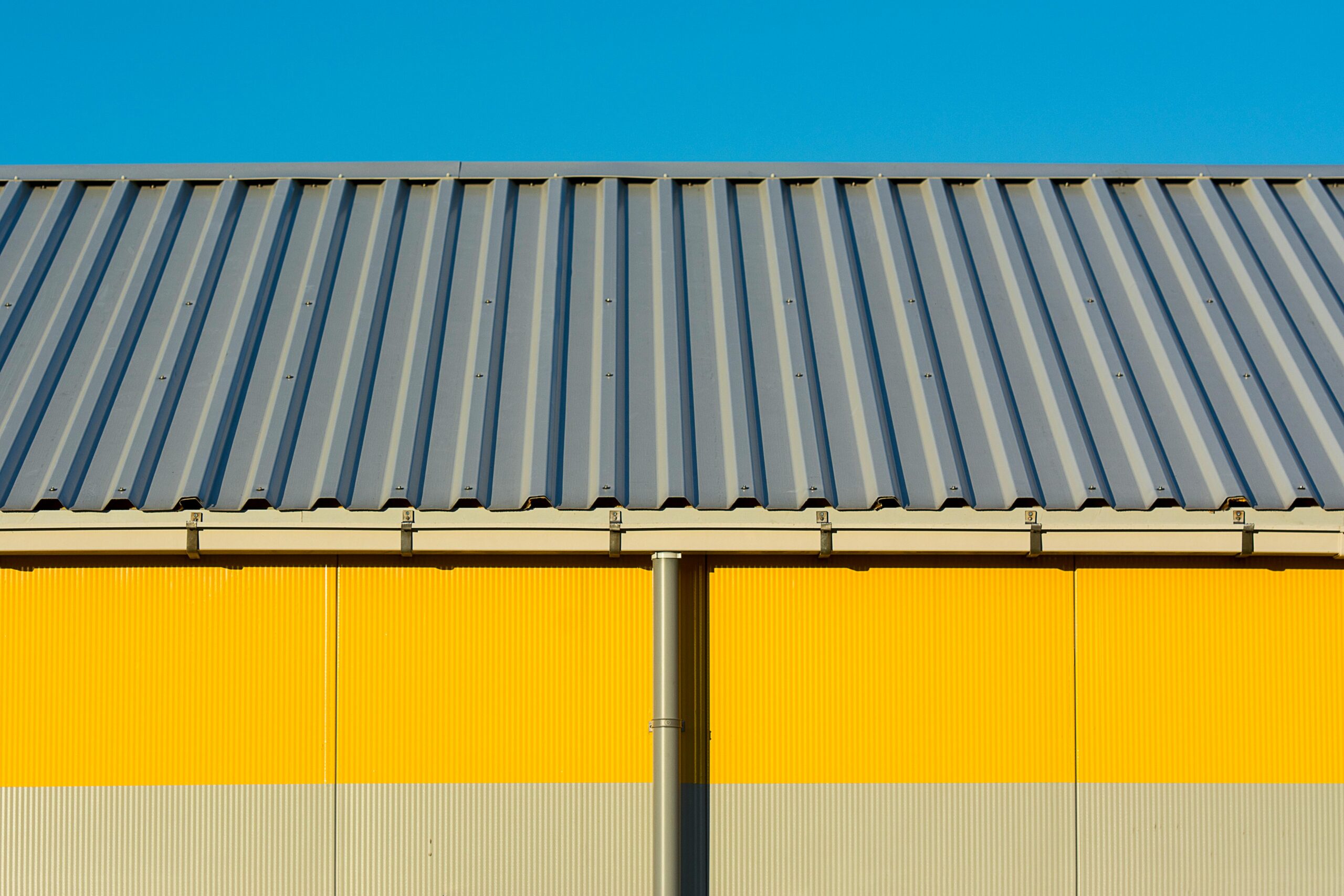
Metal roofing offers one of the longest service lives among commercial systems. Standing seam metal roofs and coated steel panels provide:
- Exceptional durability
- Strong wind resistance
- High reflectivity when properly finished
- Minimal maintenance requirements
When correctly installed and maintained, metal roofing systems can last 40 to 70 years—or even longer in some cases. Protective coatings and fastener integrity play a major role in reaching the upper end of this range.
Modified Bitumen Roofing (15–30 Years)
Modified bitumen is an asphalt-based system reinforced with polymer modifiers. It provides durability and flexibility for low-slope commercial roofs. With proper installation and periodic maintenance, modified bitumen systems typically last 15–30 years.
Roof Coating Systems (10–20+ Years Per Application Cycle)
Roof coatings, particularly silicone roof coating systems, are applied over existing roofs to restore and protect the surface. While coatings do not “reset” a roof’s structural age, they can extend service life significantly. Benefits include:
- Seamless waterproofing
- UV protection
- Reduced thermal stress
- Improved reflectivity
A properly applied silicone coating can add 10–20 years of life per application cycle, depending on thickness and maintenance.
What Impacts Commercial Roof Longevity?
Material selection is only one part of the equation. Several operational and environmental factors determine whether a roof meets its expected lifespan.
1. Quality of Installation
Improper installation is one of the most common causes of premature roof failure. Even premium materials can underperform if seams are not properly welded, flashing is poorly detailed, or drainage is inadequately designed. Key installation factors include:
- Correct fastening patterns
- Proper insulation layout
- Sealed penetrations and transitions
- Adequate slope and drainage
Professional installation directly correlates with long-term durability.
2. Atlanta’s Climate Conditions
Atlanta’s environment places consistent stress on commercial roofs. Extended heat exposure, UV radiation, humidity, heavy rainfall, and seasonal storms all accelerate wear.
Heat causes expansion and contraction cycles that stress seams and fasteners. Humidity increases the risk of trapped moisture. Heavy rain challenges drainage systems and increases the likelihood of ponding water. Roofing systems designed for heat resistance and moisture control perform better in these conditions, particularly reflective membranes and silicone coatings.
3. Drainage and Ponding Water
Flat and low-slope commercial roofs must move water efficiently. Poor drainage design or clogged drains can lead to standing water, which accelerates membrane degradation and structural stress. Persistent ponding can:
- Weaken seams
- Increase leak risk
- Add structural load
- Shorten system lifespan
Routine inspection and maintenance of drainage components are critical for maximizing longevity.
4. Maintenance and Inspections
Preventative maintenance significantly extends roof life. Commercial roofs should be inspected at least twice per year—typically in spring and fall—and after major storm events. Routine maintenance includes:
- Clearing debris
- Checking flashing and seams
- Inspecting penetrations
- Monitoring for blistering or cracking
- Addressing minor repairs promptly
Small issues, when caught early, prevent larger structural failures.
Repair vs. Replacement: When Is It Time?
A commercial roof does not automatically require replacement once it reaches the average lifespan range. Condition matters more than age alone. Indicators that a roof may be nearing end-of-life include:
- Frequent leaks
- Widespread membrane cracking
- Insulation saturation
- Recurring seam separation
- Significant energy inefficiency
In some cases, restoration through roof coatings or targeted repairs may extend the roof’s usable life. In others, full replacement may be more cost-effective long term. A professional evaluation helps determine the best path forward.
How Roofing Services Extend Lifespan
Advanced Roofing & Paving provides commercial roofing services that directly impact system longevity, including:
- Commercial roof installation for TPO, EPDM, modified bitumen, and metal roofing
- Roof repairs to correct leaks and structural issues early
- Silicone roof coating systems to restore and protect aging roofs
- Preventative maintenance programs to detect and resolve developing problems
Proactive service is often the difference between a 15-year roof and a 25-year roof.
Coordinating Roofing With Exterior Surfaces
Exterior property systems often work together. Drainage from roofs connects to parking areas and access lanes. Water management issues can affect both roofing and asphalt surfaces. Advanced Roofing & Paving also provides:
- Asphalt paving
- Pavement repairs
- Pavement sealcoating
- Parking lot sealcoating
Coordinating roofing and paving services ensures consistent drainage performance and overall property protection.
Planning for Capital Replacement
Understanding your roof’s lifespan allows for strategic financial planning. Rather than reacting to emergencies, property owners can:
- Schedule inspections proactively
- Budget for coating cycles
- Plan phased replacements
- Reduce disruption to tenants
A well-managed commercial roofing asset supports predictable operational costs.
Protecting Your Commercial Roof Investment
While lifespan ranges provide general guidance, the true longevity of a commercial roof depends on material selection, professional installation, environmental exposure, and maintenance discipline. In Atlanta’s demanding climate, choosing durable systems and working with experienced professionals ensures your roof performs at its highest potential.
Contact Advanced Roofing & Paving
If you’re unsure how much life remains in your commercial roof—or you’re planning for repairs, restoration, or replacement—professional guidance is essential.
Advanced Roofing & Paving provides comprehensive commercial roofing services in Atlanta, including TPO roofing, metal roofing, roof coatings, silicone roof coating systems, inspections, and expert roof repairs. Our team evaluates your roof’s current condition, identifies risk factors, and recommends solutions designed to maximize service life. Contact Advanced Roofing & Paving today to schedule a commercial roof assessment and protect your building investment for the long term.